Better behavior starts with a calmer dog.
When dogs feel overwhelmed, they can’t listen, learn, or respond.
We help dogs find regulation first — so behavior finally improves.
Not sure what your dog needs? Take the Behavior Quiz!
Not sure what your dog needs? Take the Behavior Quiz!
Behavior-First Dog Training
Learn what behavior-first dog training means, why obedience alone often fails, and how supporting regulation and emotional safety leads to lasting change.
Better behavior starts with a calmer dog.
Better behavior starts with a calmer dog.
When your dog reacts, it can feel overwhelming & embarrassing.
We understand how stressful that is.
Understanding Behavior-First Dog Training
Dog training is often framed as teaching skills or enforcing rules. While skills matter, behavior is influenced just as much by how a dog feels as by what they’ve been taught.
Behavior-first dog training focuses on the internal state driving behavior. Instead of asking, “How do we make this dog comply?” the question becomes, “What does this dog need in order to stay regulated, engaged, and capable of learning?”
This page explains what behavior-first training means, why it differs from obedience-only approaches, and how it supports calmer, more reliable behavior over time.
Why Obedience Alone Isn’t Enough
Many dogs can perform cues in quiet, familiar environments and still struggle in real-world situations.
Common signs obedience-only training falls short include:
Commands working at home but failing outside
Behavior breaking down under stress
Increased reactivity or avoidance despite training
Reliance on constant correction or management
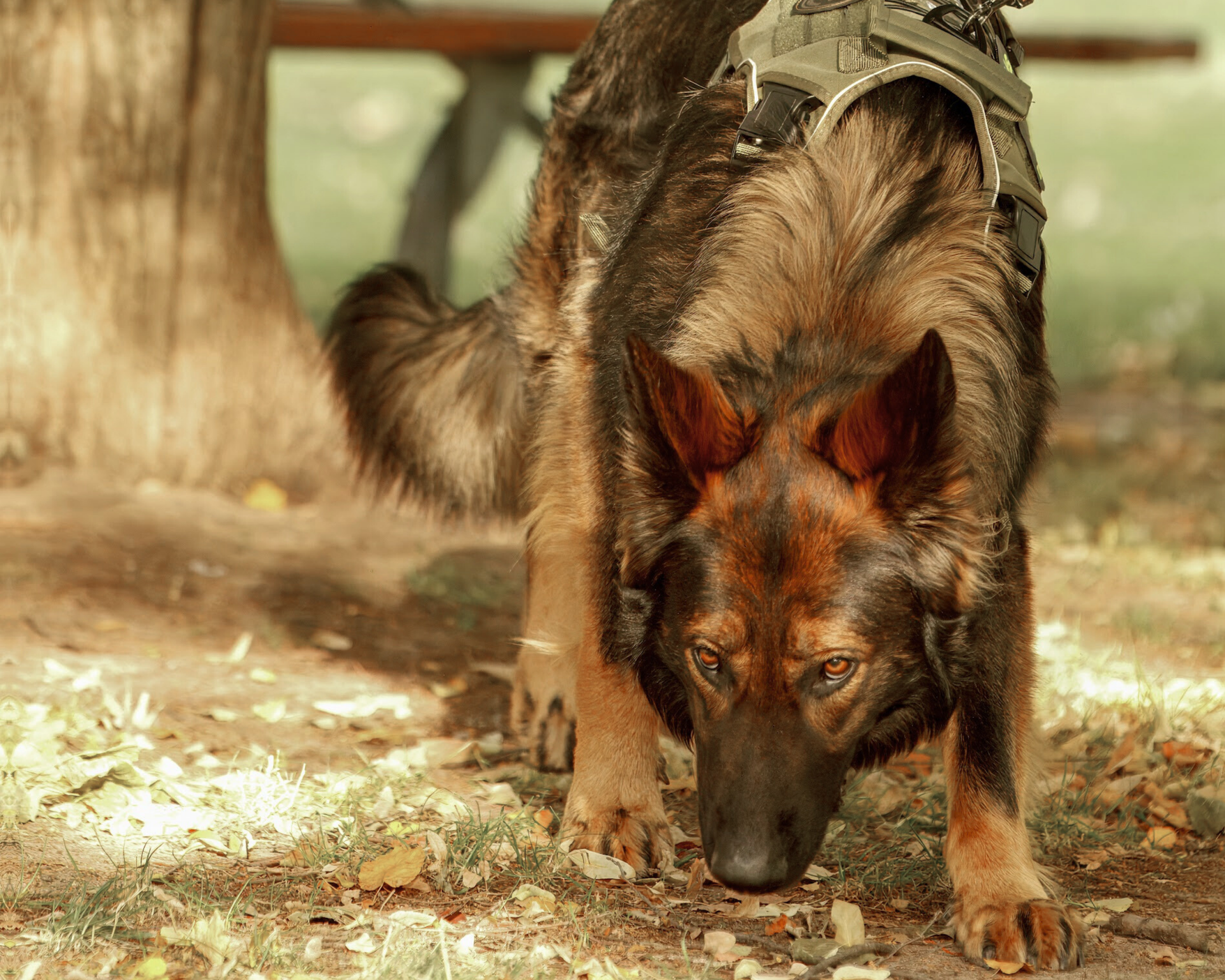
These patterns aren’t skill failures. They reflect a dog’s difficulty accessing learned behaviors when stress is high.
What “Behavior-First” Actually Means
Behavior-first training prioritizes emotional readiness before adding expectations.
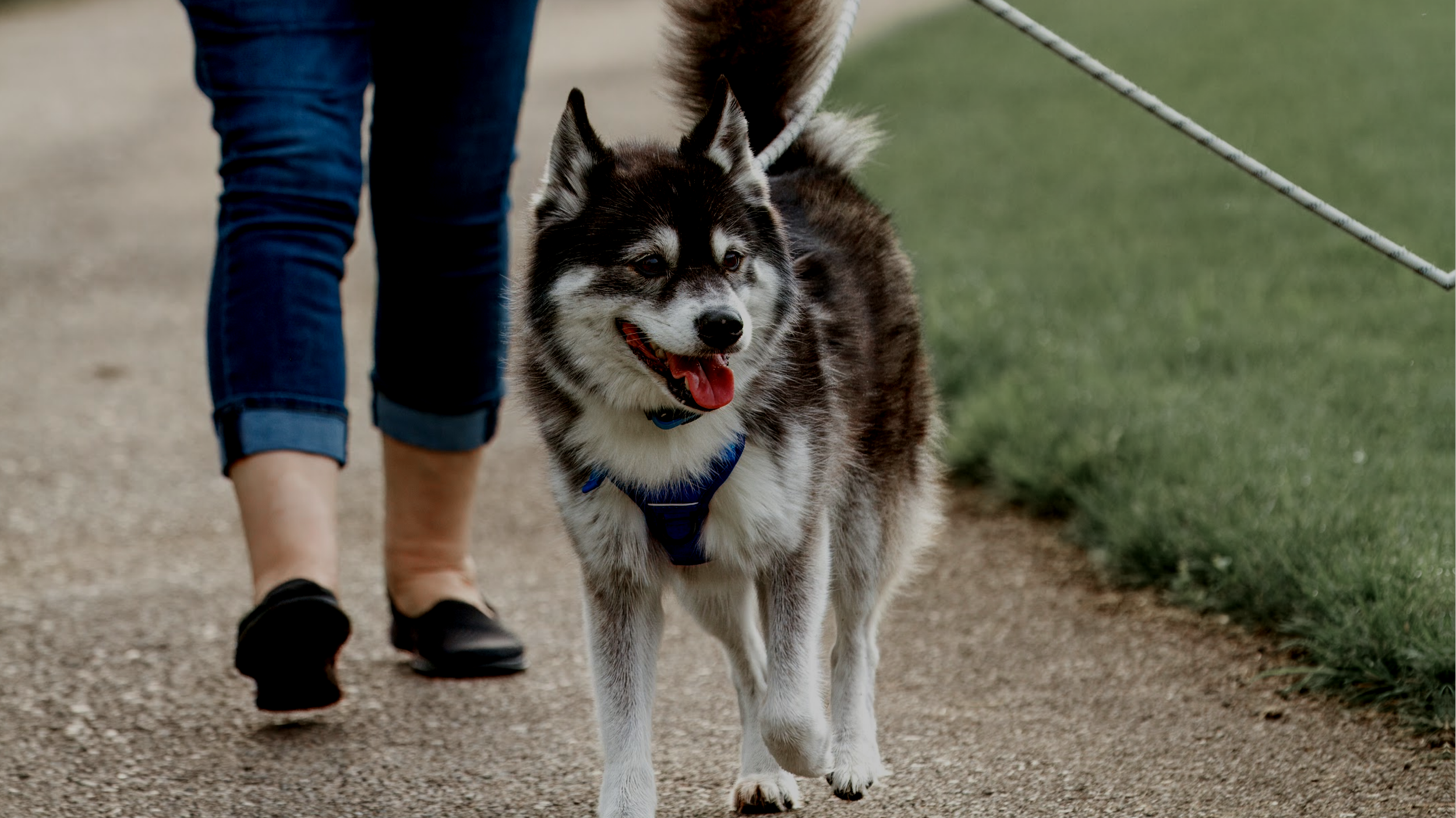
Regulation Before Expectation
Dogs need a nervous system state that allows learning. Regulation comes before reliability.
Emotional Safety
When dogs feel unsafe or overwhelmed, learning slows or stops. Safety is foundational.
Clarity and Predictability
Clear communication reduces confusion and stress, making behavior more consistent.
Fulfillment and Purpose
Dogs with meaningful outlets are better able to organize their behavior.
Relationship and Trust
Strong relationships improve communication and resilience.
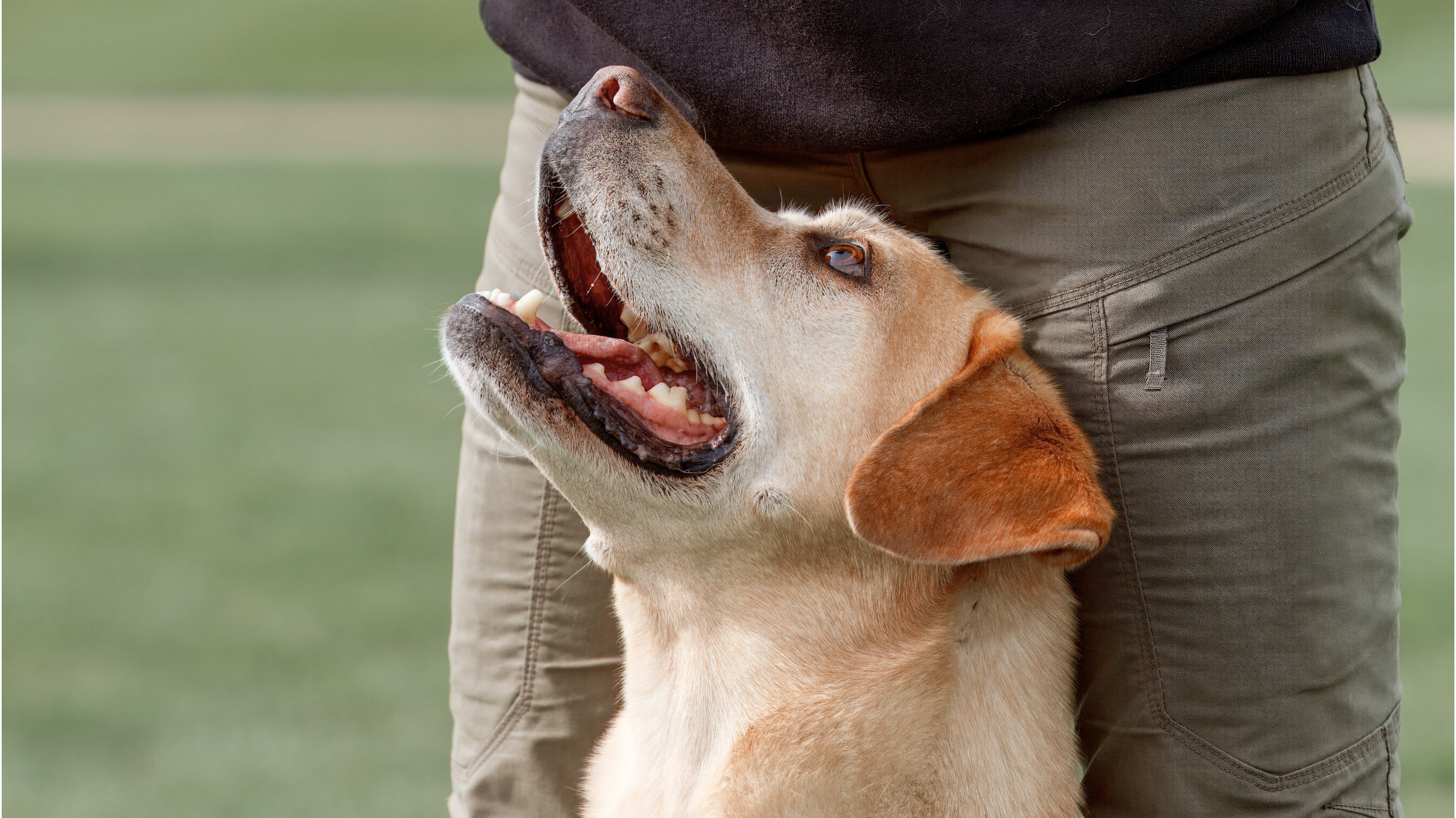
How Behavior Develops Over Time
Behavior is not static. It changes based on context, stress load, and experience.
Factors influencing behavior include:
Environment and stimulation
Past learning history
Emotional recovery time
Daily routines and predictability
Handler responses
Behavior-first training accounts for these variables instead of treating behavior as a fixed trait.
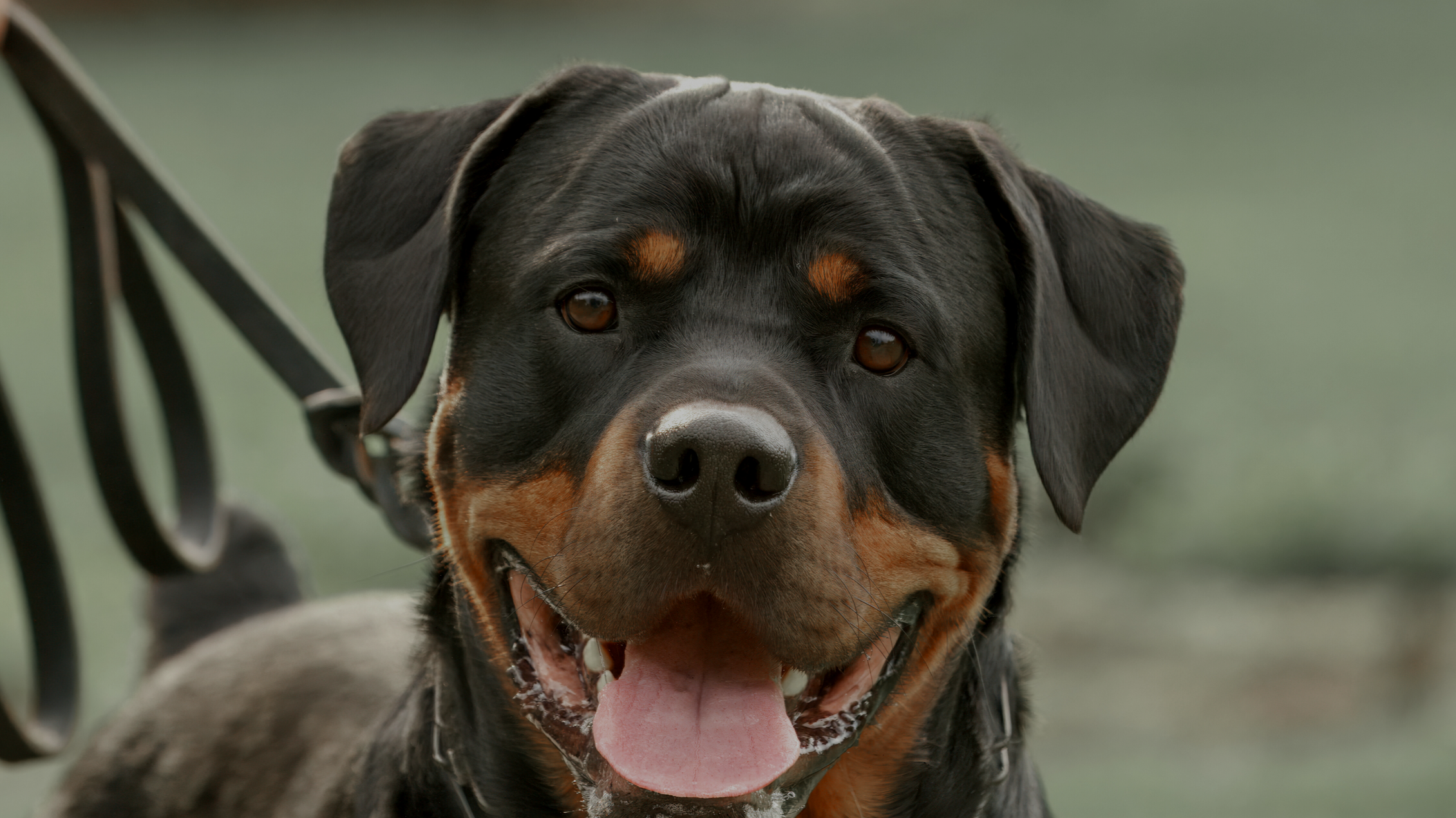
Why Behavior-First Training Reduces Escalation
When dogs are supported emotionally, they’re less likely to escalate into reactive or avoidant behaviors.
Benefits often include:
Faster recovery after stress
Reduced intensity of reactions
Increased engagement
Greater predictability in daily life
Rather than suppressing behavior, regulation allows dogs to respond thoughtfully.

How Behavior-First Training Is Applied
Behavior-first training is not a single technique. It’s a framework that guides decision-making.
At Scentsible K9 Training, this approach informs:
Private training sessions
Group class structure
Pack walks and real-world practice
Enrichment and scent work
Owner education and coaching
Each dog’s plan is adjusted based on emotional capacity and progress.
🔗 Explore private training support:
→ Private Dog Training
🔗 See how this applies to reactivity:
→ Reactive Dog Training
What Progress Looks Like With a Behavior-First Approach
Progress isn’t measured only by obedience.
Common indicators include:
Improved emotional stability
Increased ability to recover from stress
Clearer communication between dog and handler
More consistent behavior across environments
These changes signal that learning is becoming accessible.
Frequently Asked Questions
Is behavior-first training the same as positive reinforcement?
1
Not exactly. While reinforcement may be used, behavior-first training focuses on when and how learning happens based on emotional state.
Do dogs interact during pack walks?
2
They can. Interaction is not the goal. Calm coexistence is the first step. Then peaceful interaction.
Does this approach work for serious behavior issues?
3
Yes. Dogs with significant challenges often benefit the most from regulation-focused training.
Does behavior-first training avoid structure?
4
No. Structure is essential. The difference is how and when structure is introduced.
Will obedience still be taught?
5
Yes. Skills are taught once the dog is emotionally ready to succeed.