Better behavior starts with a calmer dog.
When dogs feel overwhelmed, they can’t listen, learn, or respond.
We help dogs find regulation first — so behavior finally improves.
Not sure what your dog needs? Take the Behavior Quiz!
Not sure what your dog needs? Take the Behavior Quiz!
Trainer-Guided Pack Walks for Dogs
Learn how trainer-guided pack walks support calm behavior, leash skills, and emotional regulation for dogs through structured, real-world practice.
Better behavior starts with a calmer dog.
Better behavior starts with a calmer dog.
When your dog reacts, it can feel overwhelming & embarrassing.
We understand how stressful that is.
Understanding Trainer-Guided Pack Walks for Dogs
Pack walks are often misunderstood. Many people imagine groups of dogs walking together as a form of socialization or exercise. In reality, when done correctly, trainer-guided pack walks are a structured training tool that helps dogs practice calm behavior, neutrality, and regulation in real-world environments.
This page explains what trainer-guided pack walks are, how they differ from casual group walks, and why they can be a valuable part of behavior-focused training. The emphasis is on safety, structure, and emotional stability — not interaction or chaos.
What Trainer-Guided Pack Walks Look Like
Trainer-guided pack walks are organized, intentional walking sessions led by a professional trainer.
Key characteristics include:
Structured spacing between dogs
Calm, forward movement
Clear expectations for handlers
Minimal to no direct dog-to-dog interaction
Trainer oversight and guidance throughout
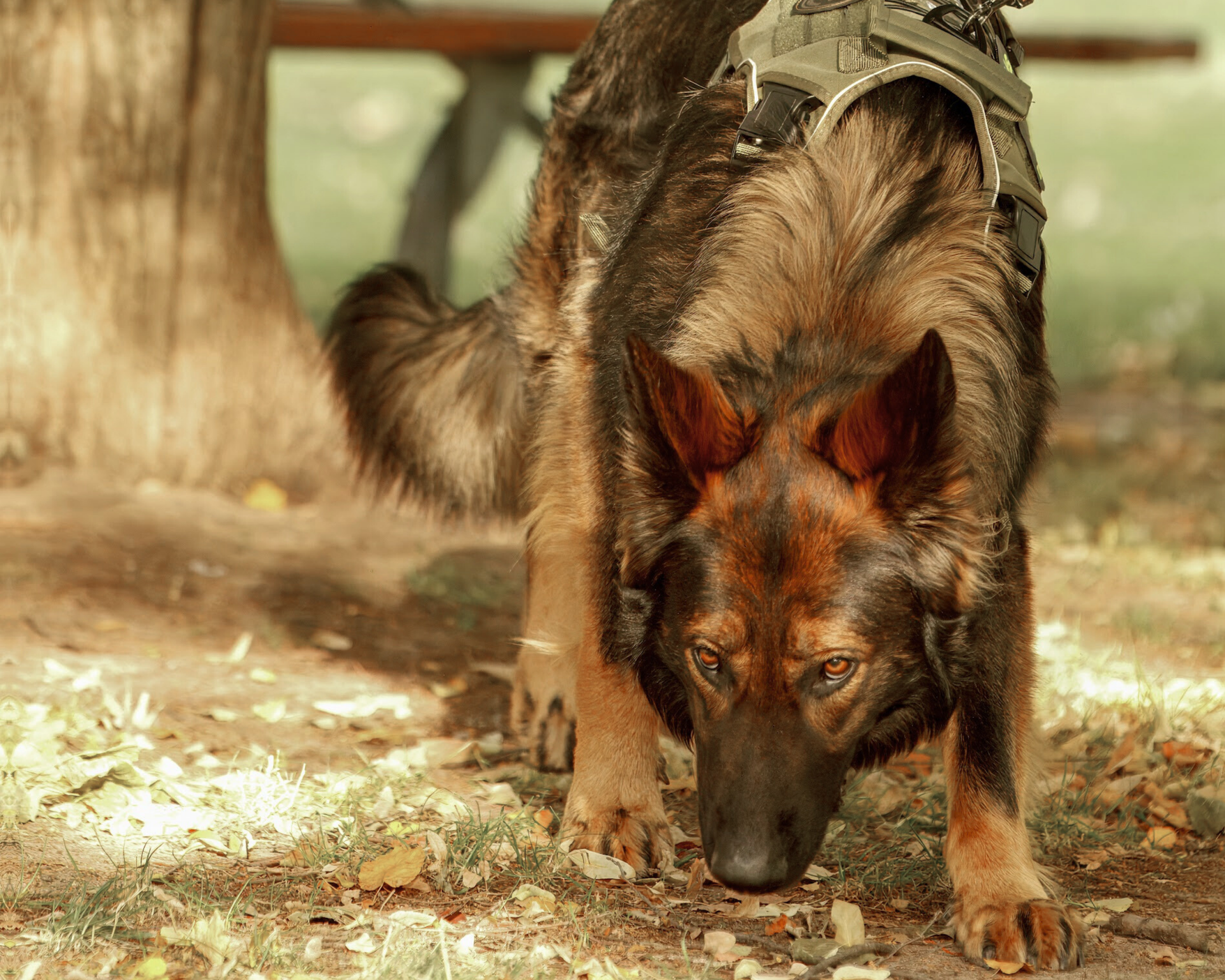
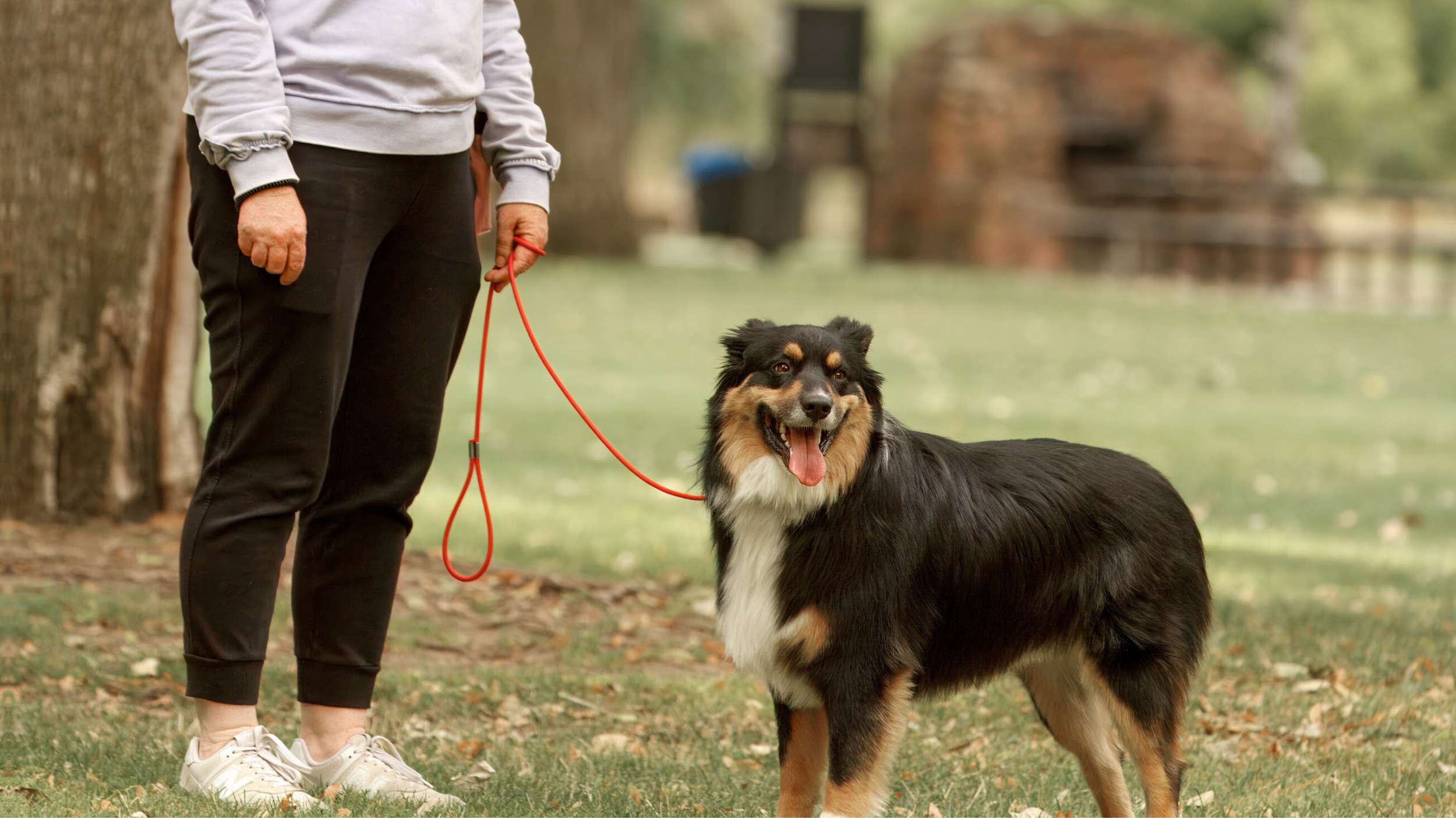
Dogs are not encouraged to greet, play, or engage with one another. The goal is learning how to exist calmly around other dogs and people while staying connected to their handler.
Why Pack Walks Support Behavior Change
Walking in a structured group provides learning opportunities that are difficult to replicate elsewhere.
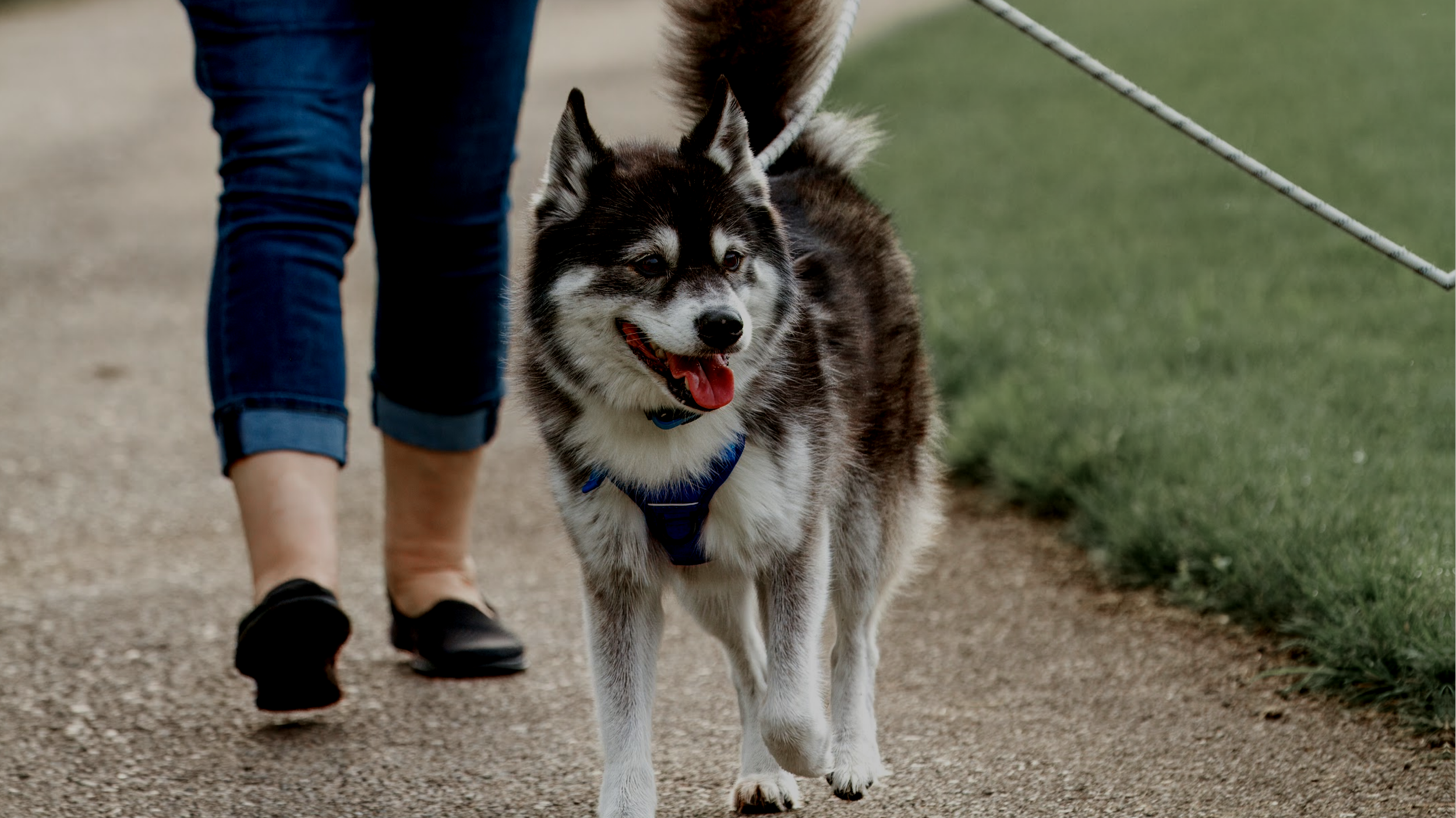
Real-World Exposure
Dogs encounter real-life distractions such as passing dogs, people, and environmental noise in a controlled way.
Neutrality Practice
Pack walks teach dogs that the presence of other dogs does not require a response. Neutrality is a skill that must be practiced.
Nervous System Regulation
Steady movement and predictable structure help lower arousal and support emotional regulation.
Modeling Calm Behavior
When appropriate, calm dogs can act as passive models, helping other dogs learn through observation.
Handler Confidence
Owners gain clarity and confidence through real-time coaching and feedback.
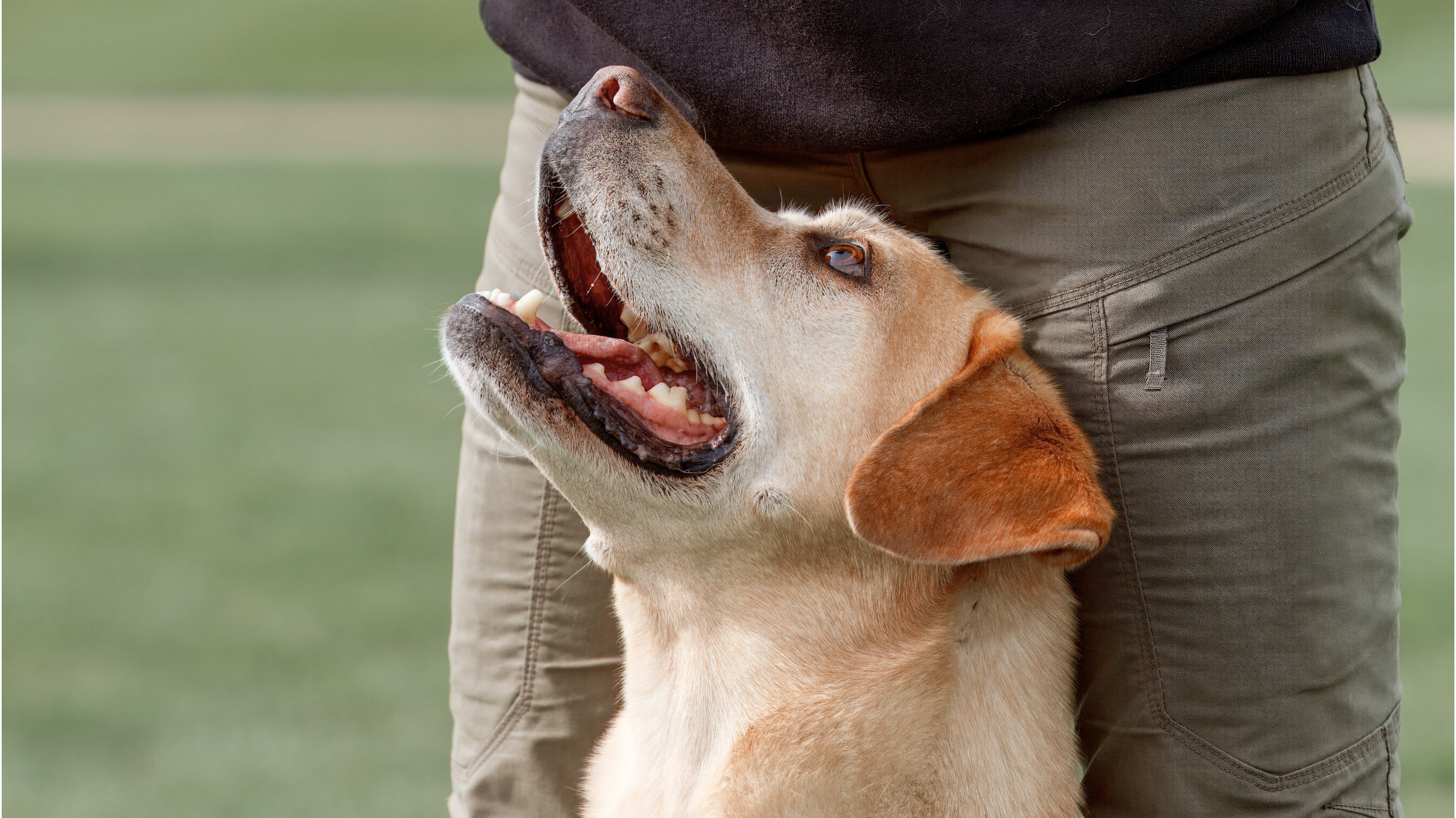
Why Casual Group Walks Often Don’t Help
Unstructured group walks or meetups can unintentionally increase stress.
Common issues include:
Too-close proximity
Unpredictable interactions
Mixed handling styles
Lack of intervention when stress rises
Without structure and guidance, dogs may rehearse reactive or overstimulated behaviors instead of learning calm alternatives.
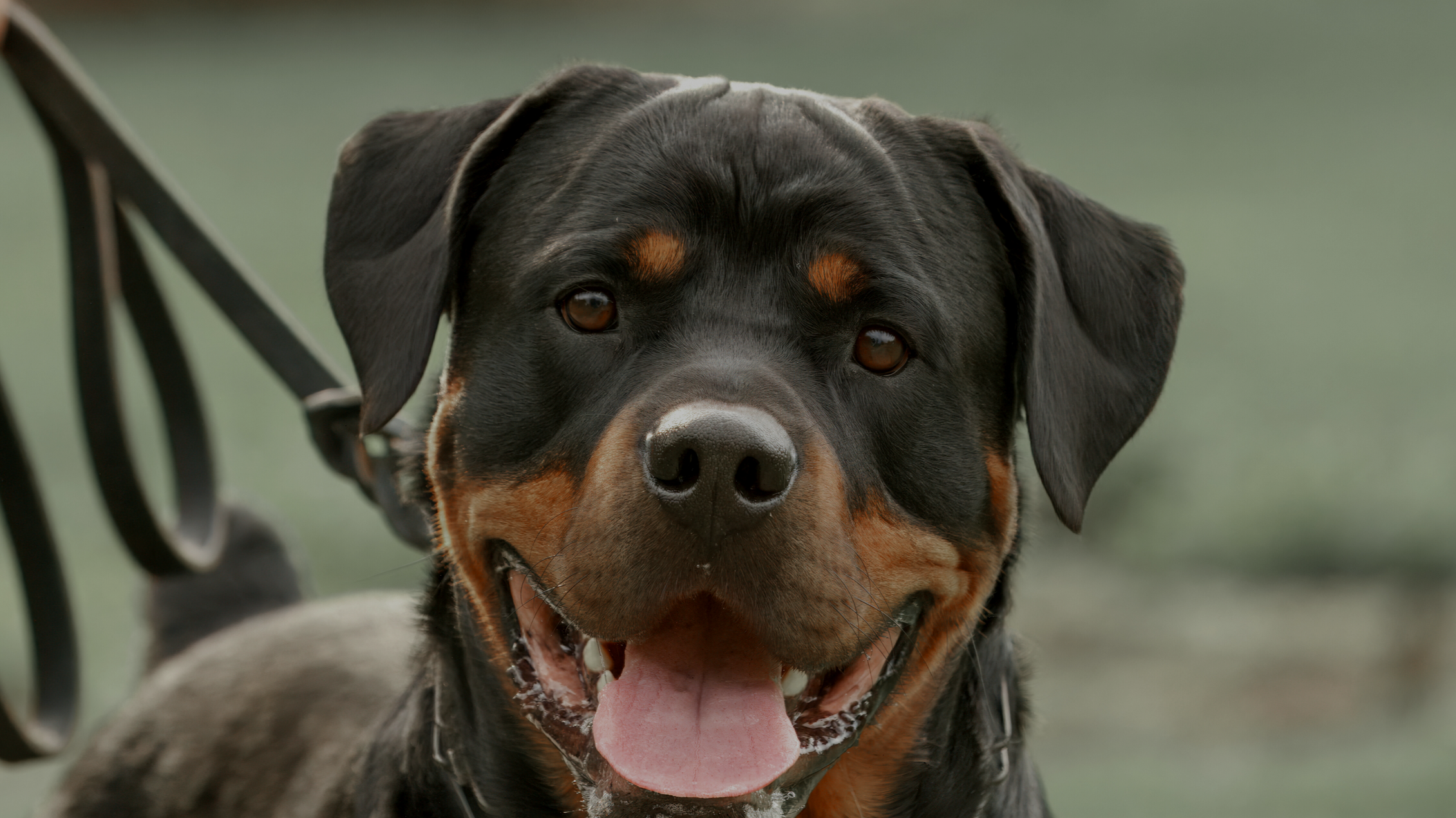
Which Dogs Benefit From Trainer-Guided Pack Walks
Pack walks are not about socialization through play. They are about practicing calm presence.
Dogs who often benefit include:
Reactive dogs working on neutrality
Dogs transitioning from private training
Anxious or overstimulated dogs
Dogs needing leash practice around distractions
Owners wanting real-world support
Some dogs may need individual training first before joining a pack walk. Readiness matters.

How Behavior-Focused Training Uses Pack Walks
In behavior-focused training, pack walks are a bridge between controlled practice and everyday life.
At Scentsible K9 Training, pack walks are used to:
Reinforce regulation skills learned in private sessions
Practice leash handling under distraction
Build confidence without pressure
Help dogs generalize calm behavior
Support owner learning in real time
Pack walks are not a replacement for training — they are an application of it.
🔗 Learn more about our philosophy:
→ Behavior-First Dog Training
🔗 Explore individual support options:
→ Private Dog Training
What Progress Looks Like Over Time
Progress during pack walks is measured by emotional stability, not proximity or interaction.
Signs of improvement often include:
Reduced pulling or scanning
Improved ability to pass other dogs calmly
Faster recovery after triggers
Increased focus on the handler
Greater confidence in public environments
These changes indicate growing regulation and resilience.
Frequently Asked Questions
Are pack walks safe for reactive dogs?
1
When structured and guided appropriately, pack walks can be safe and beneficial. Some dogs may need preparation first.
Do dogs interact during pack walks?
2
They can. Interaction is not the goal. Calm coexistence is the first step. Then peaceful interaction.
Are pack walks just for exercise?
3
No. While movement is involved, the primary purpose is behavior practice and regulation.
Can puppies join pack walks?
4
Some puppies may benefit, depending on age and readiness. This is assessed individually.
How often should dogs attend pack walks?
5
Frequency depends on the dog’s needs and training plan.
Related Resources