Better behavior starts with a calmer dog.
When dogs feel overwhelmed, they can’t listen, learn, or respond.
We help dogs find regulation first — so behavior finally improves.
Not sure what your dog needs? Take the Behavior Quiz!
Not sure what your dog needs? Take the Behavior Quiz!
Dog Training in Meridian, Idaho
Learn about dog training in Meridian, Idaho, common behavior challenges local dogs face, and how behavior-focused training supports calm, confident dogs.
Better behavior starts with a calmer dog.
Better behavior starts with a calmer dog.
When your dog reacts, it can feel overwhelming & embarrassing.
We understand how stressful that is.
Understanding Dog Training in Meridian, Idaho
Dog owners in Meridian, Idaho face a wide range of training challenges shaped by busy neighborhoods, growing communities, and active lifestyles. From leash struggles to anxiety, reactivity, or lack of focus, many dogs experience difficulty staying regulated in real-world environments.
This page explains how dog training in Meridian differs from generic training advice, what challenges are most common in the area, and how behavior-focused training supports long-term success. The goal is to provide clarity for owners looking to understand what their dog actually needs — not just what to teach.
Common Dog Behavior Challenges in Meridian
Dogs living in and around Meridian often encounter frequent stimulation and unpredictable environments.
Common challenges include:
Pulling or reactivity on neighborhood walks
Overexcitement around people or other dogs
Difficulty settling at home
Anxiety in busy or novel environments
Inconsistent responses to cues outside the house
Lack of focus during training
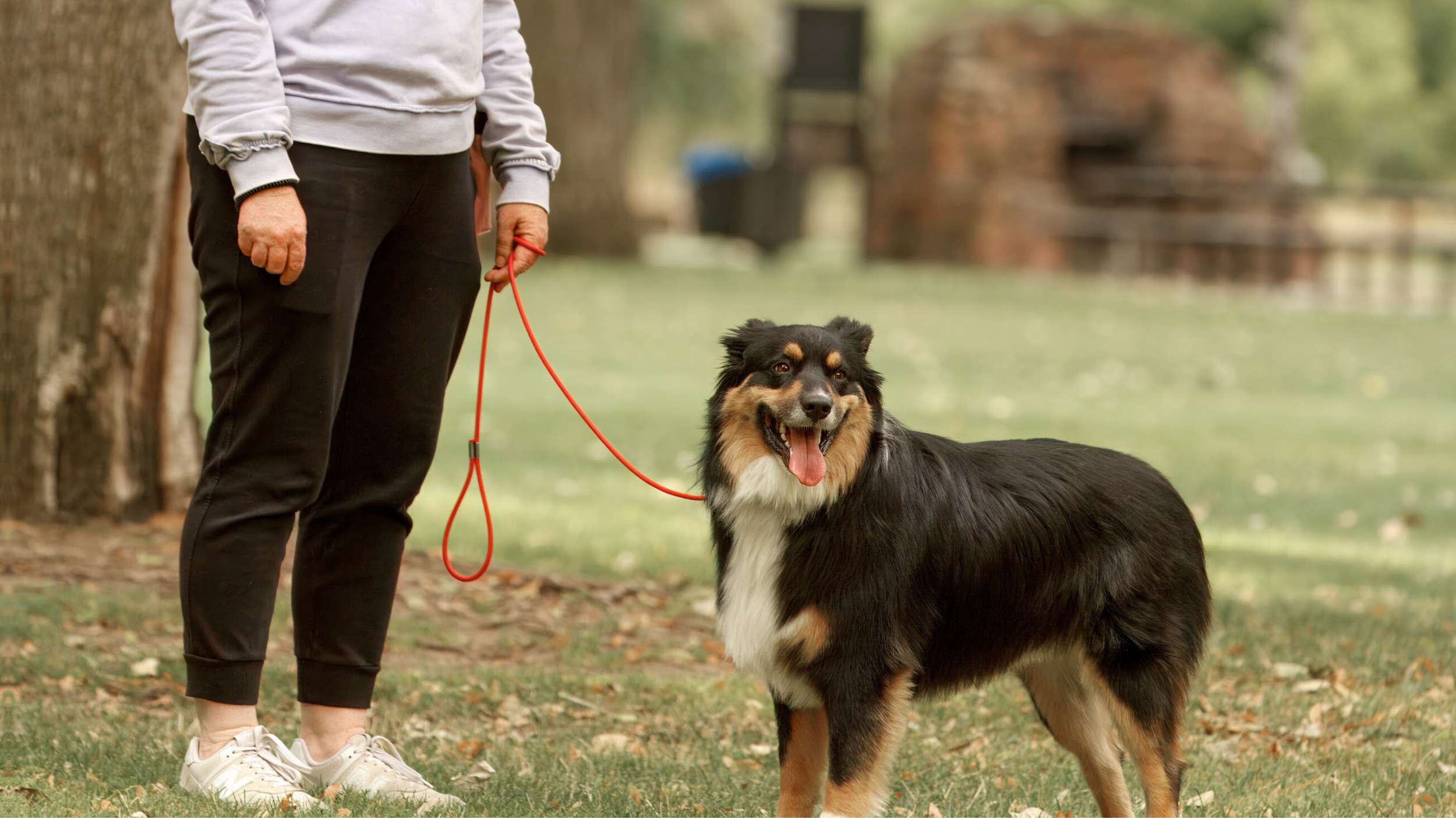
These behaviors are not unusual. They reflect the demands placed on dogs living in a fast-growing area.
Why Environment Matters in Dog Training
Training does not happen in isolation. Where a dog lives influences how they experience the world.
Neighborhood Density
Increased foot traffic, nearby dogs, and limited space can raise arousal and stress levels.
Urban and Suburban Stimulation
Traffic noise, construction, and crowded sidewalks create constant sensory input.
Limited Recovery Time
Without intentional downtime and fulfillment, dogs may struggle to reset between outings.
Lifestyle Demands
Busy schedules can reduce consistency, making clarity and structure even more important.
Relationship and Trust
Behavior-focused training accounts for these environmental factors instead of ignoring them.
Why Common Training Approaches Fall Short
Many training methods focus on teaching skills without considering how environment and stress affect performance.
Dogs may:
Perform well in quiet settings
Struggle in public spaces
Appear inconsistent or “selective”
This isn’t defiance. It’s a sign that emotional capacity has been exceeded.
Training that doesn’t account for context often fails to generalize.

What Helps Dogs Thrive in Meridian
Dogs living in stimulating environments benefit from support that builds regulation and resilience.
Helpful elements include:
Predictable routines
Clear communication
Fulfillment through mental engagement
Gradual exposure to busy environments
Time for recovery and rest
These foundations help dogs adapt to their surroundings rather than react to them.

How Behavior-Focused Training Supports Meridian Dogs
Behavior-focused training prioritizes emotional readiness alongside skill development.
At Scentsible K9 Training, this approach emphasizes:
Regulation before expectation
Teaching dogs how to recover from stimulation
Helping owners recognize early stress signals
Building confidence through success
This creates behavior that holds up beyond controlled settings.
🔗 Learn more about our approach:
→ Behavior-First Dog Training
🔗 Explore individualized support:
→ Private Dog Training
What Progress Looks Like Over Time
Progress is reflected in stability and predictability, not perfection.
Common signs of improvement include:
Calmer neighborhood walks
Improved focus in public spaces
Faster recovery after stimulation
Reduced emotional escalation
Increased confidence at home and outside
These shifts indicate growing emotional regulation.
Frequently Asked Questions
Do Meridian dogs need different training than rural dogs?
1
Environment plays a role. Dogs in busier areas often need more regulation support and gradual exposure.
Can training help with neighborhood reactivity?
2
Yes. When training addresses emotional load and clarity, neighborhood challenges often improve.
Is private training better than group classes?
3
It depends on the dog. Some dogs benefit from individual support first before group settings.
How long does training take?
4
Progress depends on stress history, environment, and consistency. Training is a process, not a timeline.