Better behavior starts with a calmer dog.
When dogs feel overwhelmed, they can’t listen, learn, or respond.
We help dogs find regulation first — so behavior finally improves.
Not sure what your dog needs? Take the Behavior Quiz!
Not sure what your dog needs? Take the Behavior Quiz!
Dog Training in Boise, Idaho
Learn about dog training in Boise, Idaho, common behavior challenges city dogs face, and how behavior-focused training supports calm, confident behavior.
Better behavior starts with a calmer dog.
Better behavior starts with a calmer dog.
When your dog reacts, it can feel overwhelming & embarrassing.
We understand how stressful that is.
Understanding Dog Training in Boise, Idaho
Boise is an active, growing city with a wide variety of environments that dogs are expected to navigate — busy neighborhoods, foothill trails, parks, breweries, patios, and events. While these settings offer enrichment, they also place high demands on a dog’s ability to stay regulated and focused.
This page explains how dog training in Boise is shaped by the local environment, what challenges are most common for dogs living in the area, and how behavior-focused training supports long-term success. The goal is clarity — understanding what dogs in Boise actually need to thrive.
Common Dog Behavior Challenges in Boise
Dogs living in Boise often experience frequent stimulation and changing environments.
Common challenges include:
Leash reactivity on sidewalks or trails
Overexcitement around people or other dogs
Difficulty settling after outings
Anxiety in busy or unfamiliar locations
Inconsistent responses to cues outside the home
Frustration in high-distraction areas
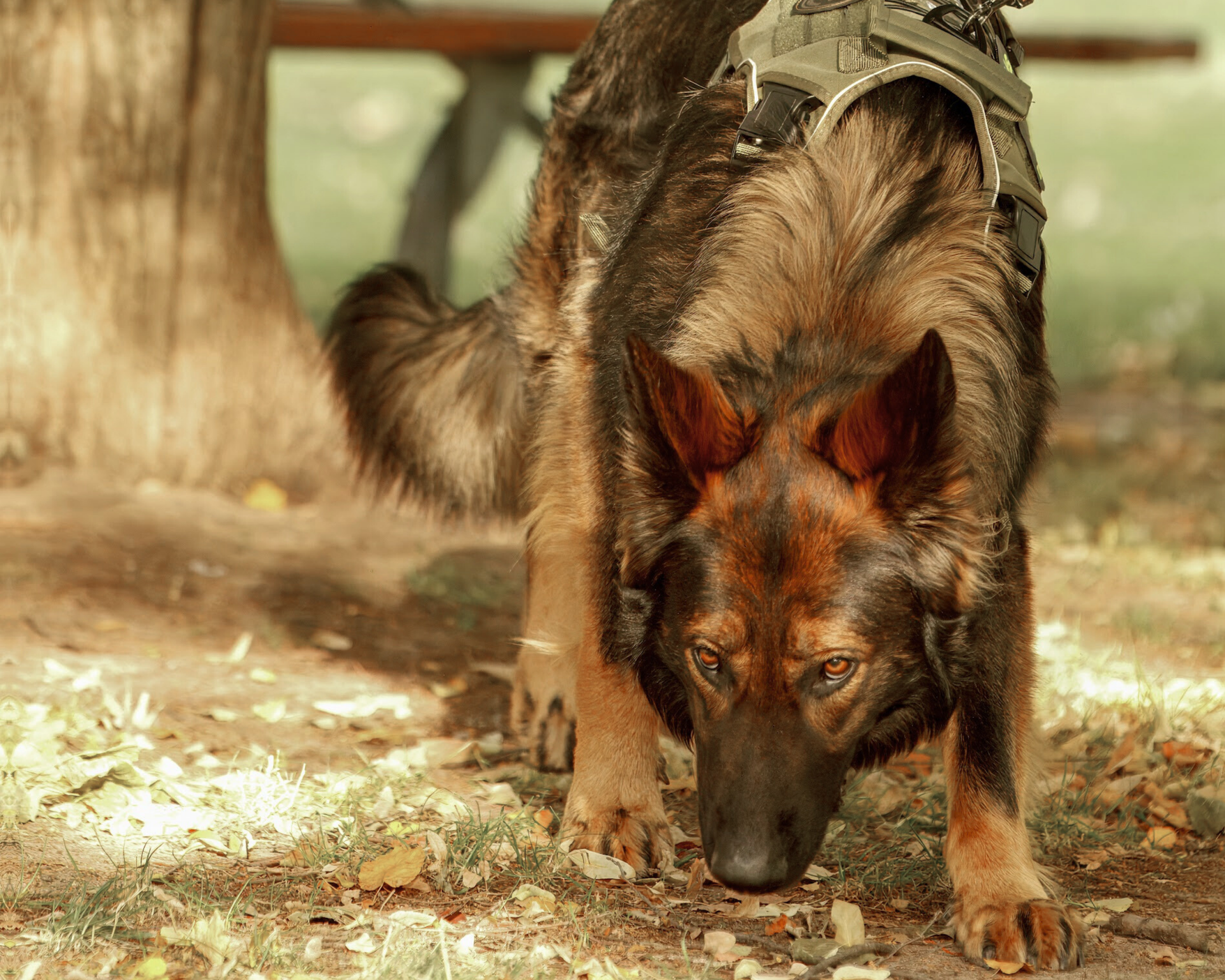
These behaviors are not unusual. They reflect the demands of city living rather than a lack of training effort.
How Boise’s Environment Impacts Dog Behavior
Training does not happen in isolation. Where a dog lives influences how they experience the world.
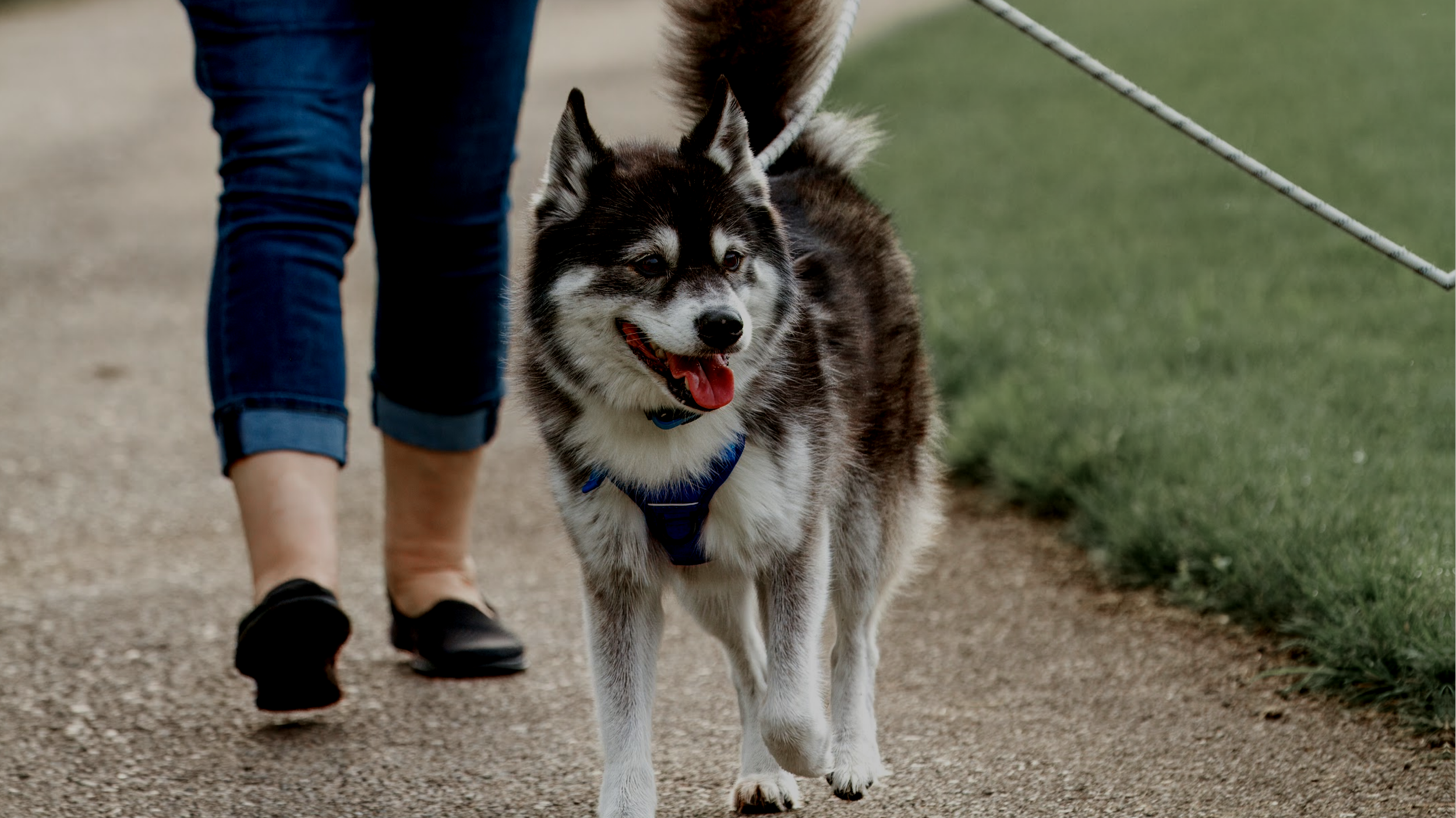
High-Stimulation Areas
Downtown sidewalks, trailheads, and public spaces expose dogs to constant motion, sound, and proximity.
Outdoor-Oriented Lifestyles
Hiking, patios, and social outings can be enriching but overwhelming without regulation skills.
Limited Predictability
Frequent changes in environment reduce a dog’s ability to anticipate what comes next, increasing stress.
Accumulated Arousal
Multiple outings in a day can stack stimulation, making later behavior less stable.
Relationship and Trust
Behavior-focused training accounts for these realities rather than ignoring them.
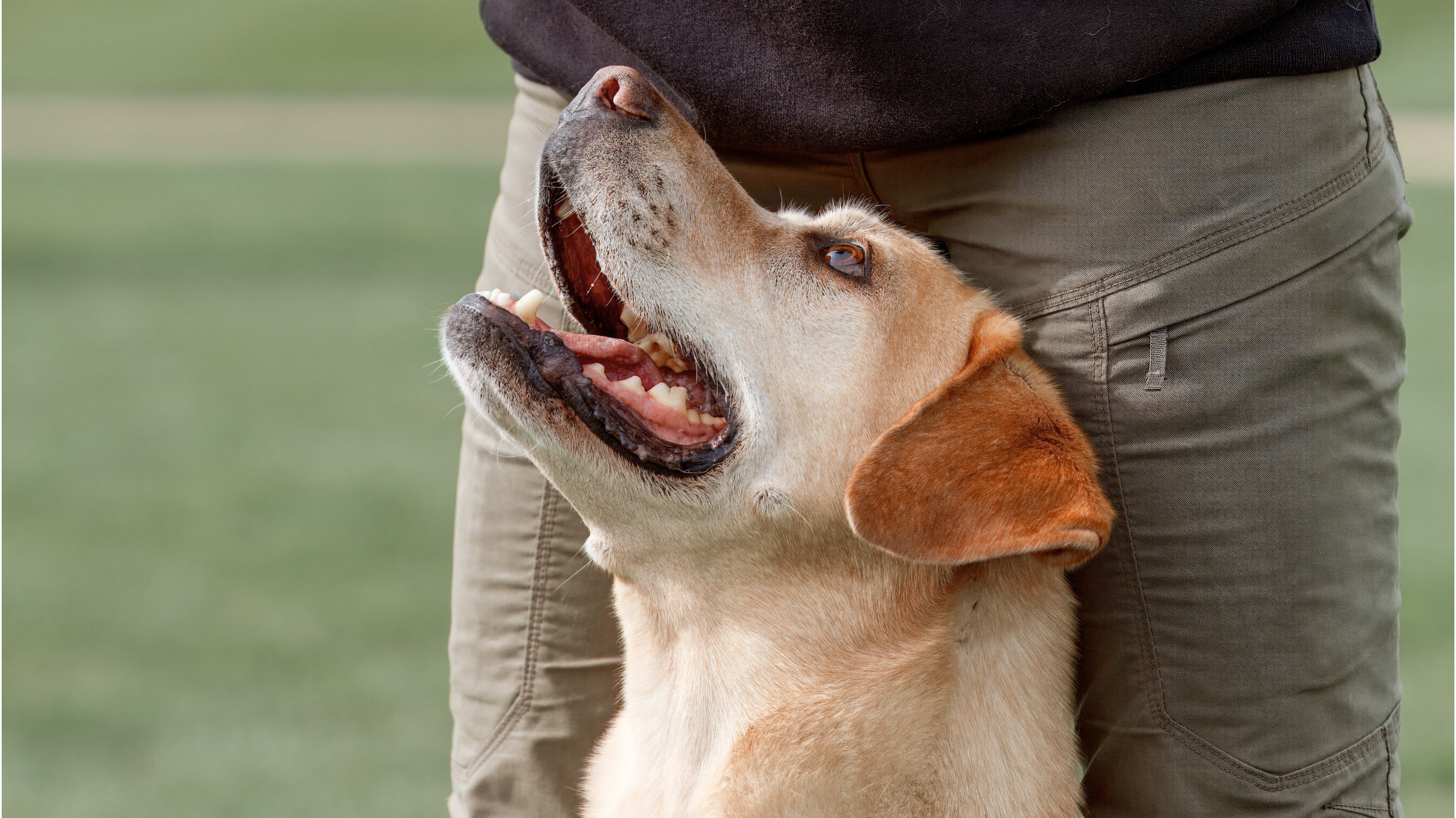
Why Generic Training Advice Often Fails in Boise
Many training methods assume quiet, controlled environments.
Dogs may:
Perform well at home
Struggle in public settings
Appear inconsistent or unreliable
This is not disobedience. It’s a sign that emotional capacity has been exceeded.
Training that doesn’t address context and recovery often fails to generalize.
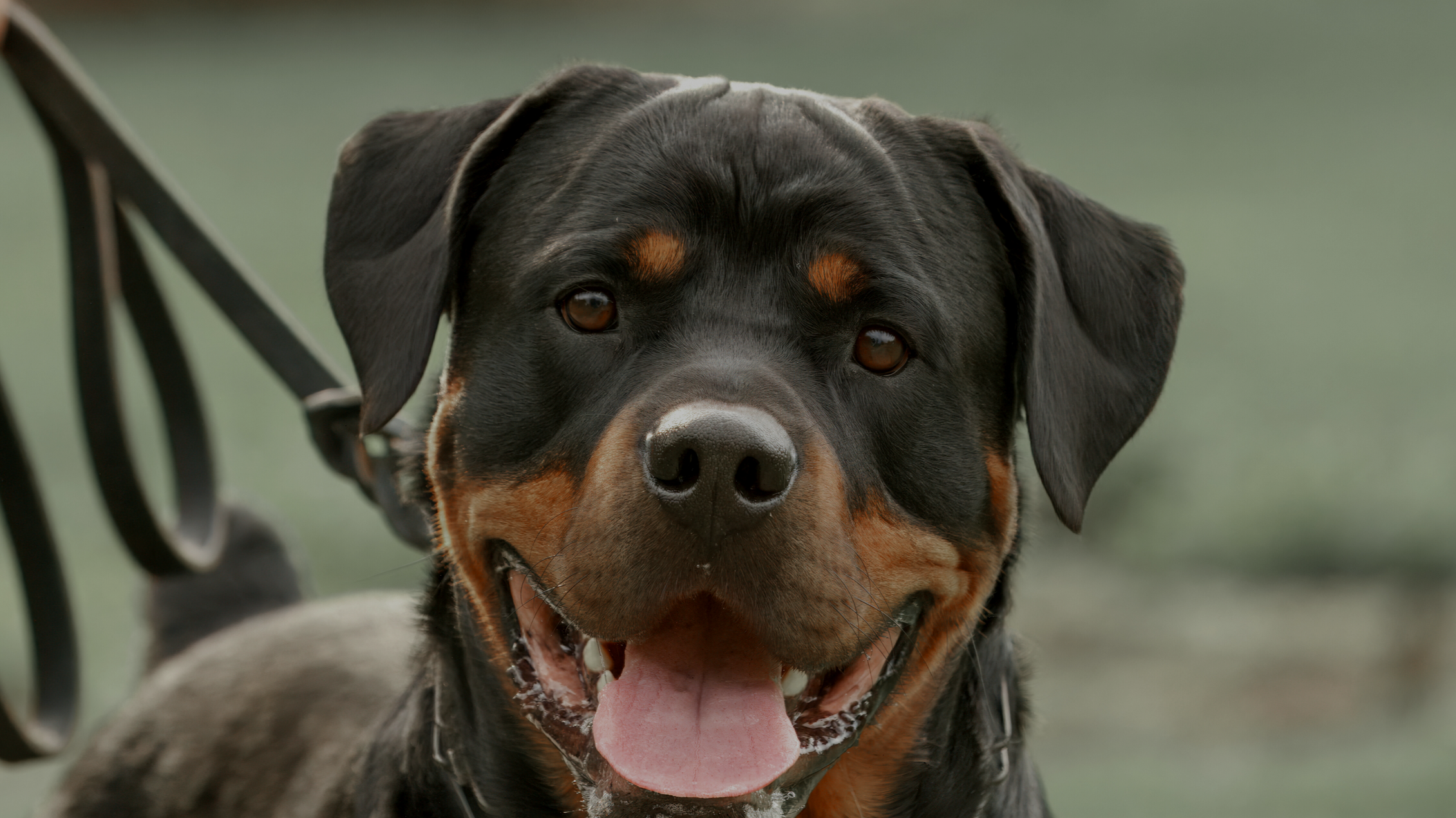
What Helps Dogs Thrive in a Busy City
Dogs in active environments benefit from support that builds regulation and resilience.
Helpful elements often include:
Clear routines and expectations
Structured mental engagement
Gradual exposure to busy environments
Teaching recovery after stimulation
Fulfillment outside of walks
Time for rest and decompression
When these needs are met, dogs adapt more easily to city life.

How Behavior-Focused Training Supports Boise Dogs
Behavior-focused training prioritizes emotional readiness alongside skill development.
At Scentsible K9 Training, this approach emphasizes:
Regulation before adding difficulty
Teaching dogs how to disengage and recover
Helping owners recognize early stress signals
Building confidence through success
This creates behavior that holds up across varied environments.
🔗 Learn more about our approach:
→ Behavior-First Dog Training
🔗 Explore individualized support:
→ Private Dog Training
What Progress Looks Like Over Time
Progress for city dogs often shows up as stability rather than perfection.
Signs of improvement include:
Calmer responses in busy areas
Improved focus during outings
Faster recovery after stimulation
Reduced emotional escalation
Greater confidence in public spaces
These changes indicate growing emotional regulation.
Frequently Asked Questions
Do Boise dogs need different training than rural dogs?
1
Often, yes. Higher stimulation environments require stronger regulation and recovery skills.
Can training help with trail or patio behavior?
2
Yes. When dogs learn how to regulate, behavior improves across varied settings.
Is private training better than group classes?
3
It depends on the dog’s needs. Some benefit from individual support before group settings.
How long does training take?
4
Progress depends on stress history, consistency, and lifestyle. Training is a process, not a timeline.