Your dog knows what you want.
They check out
when it matters.
A confused dog learned the cue in one room and has not learned that it applies everywhere else. That is a gap in clarity, not stubbornness.
Tap every one
you have seen.
Why the cue works
in one place only.
A dog who sits in the kitchen and ignores you at the park has learned the kitchen, not the cue. Stress and excitement also shut down learning, so we check your dog's state first, then practice the cue in new places until it holds.
Four steps
from first session to real life.
- 1Find what's breaking down
We check whether the cue is unclear, inconsistent, or lost to stress. Each one needs a different fix.
- 2Rebuild clear communication
One cue, one meaning, the same follow-through every time.
- 3Proof it in real places
New spots, distractions and pressure, added one at a time.
- 4Build your clarity and confidence
Cues drift: new words, different tone, different timing. You practice until yours stay the same.
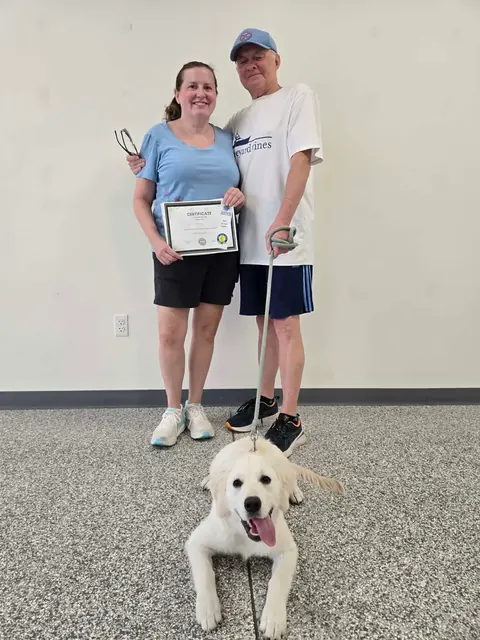
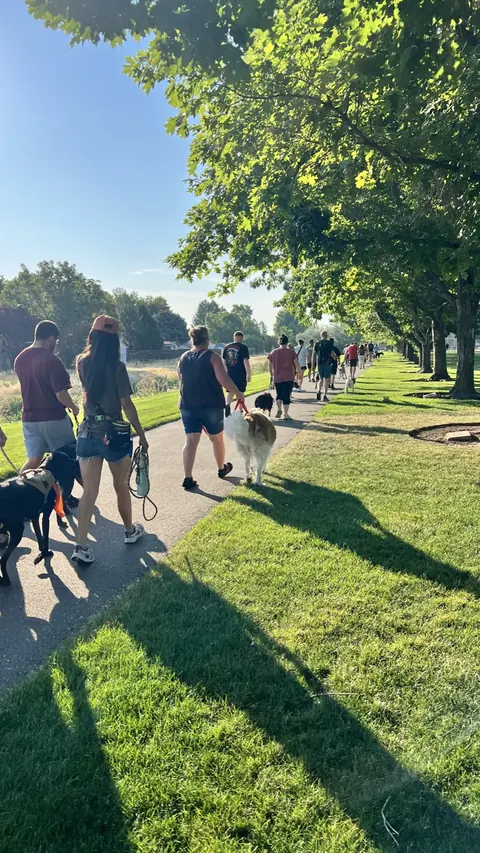
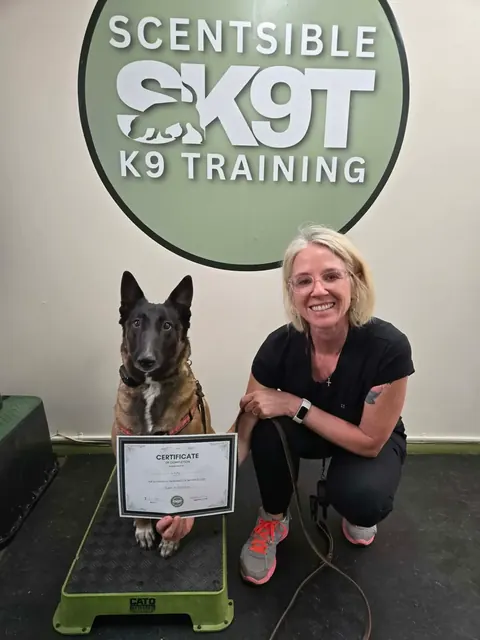
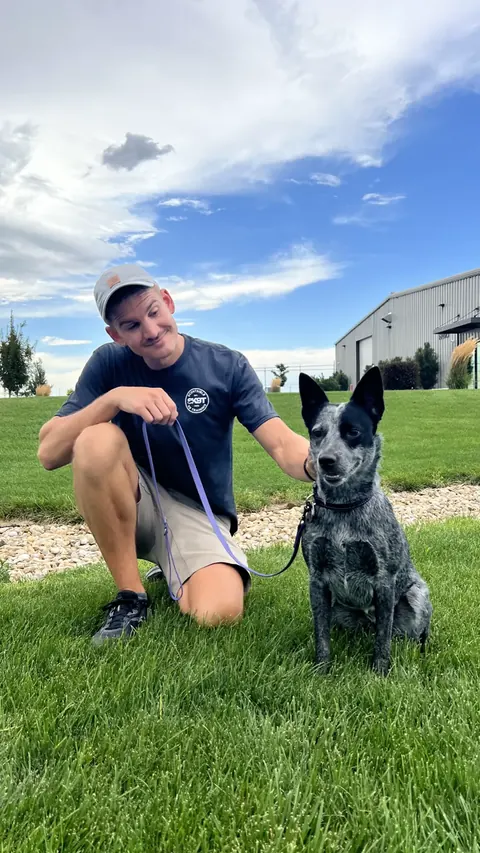
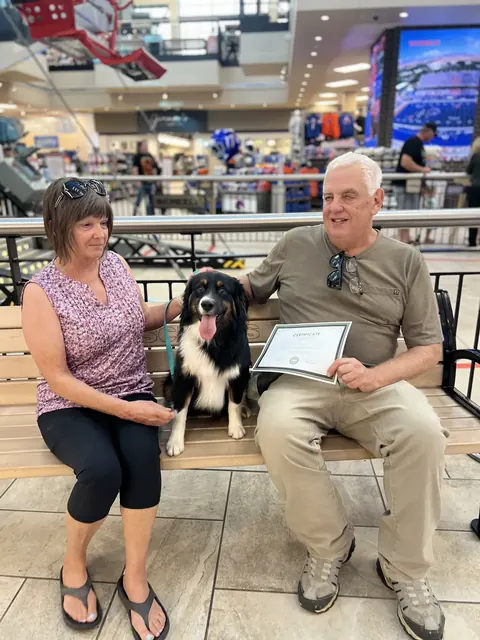
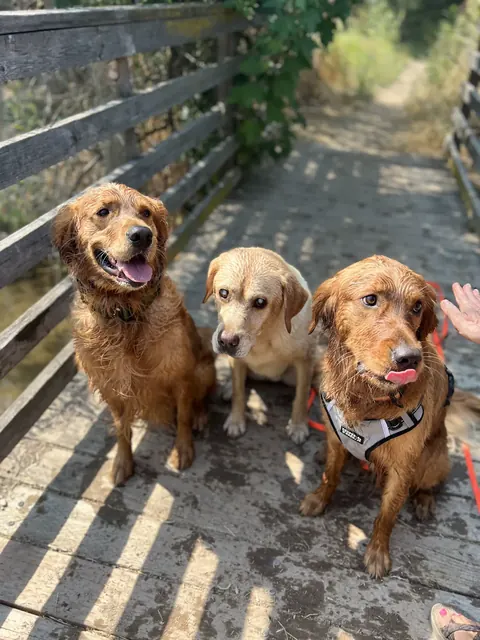
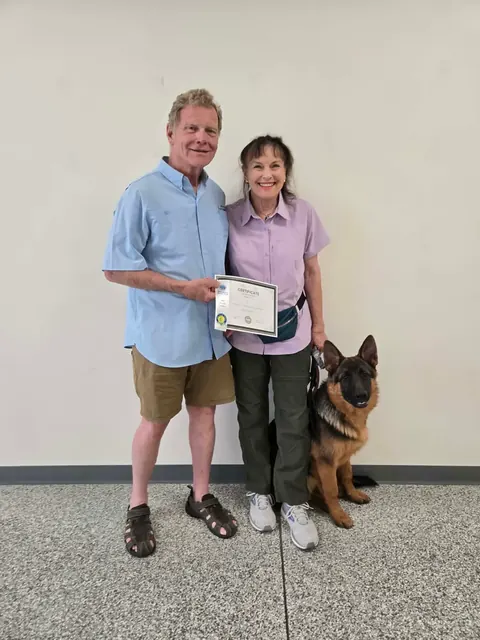
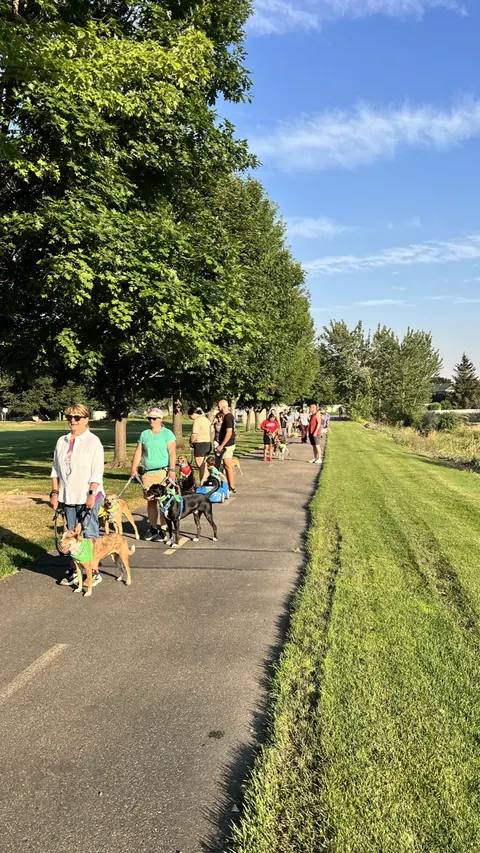
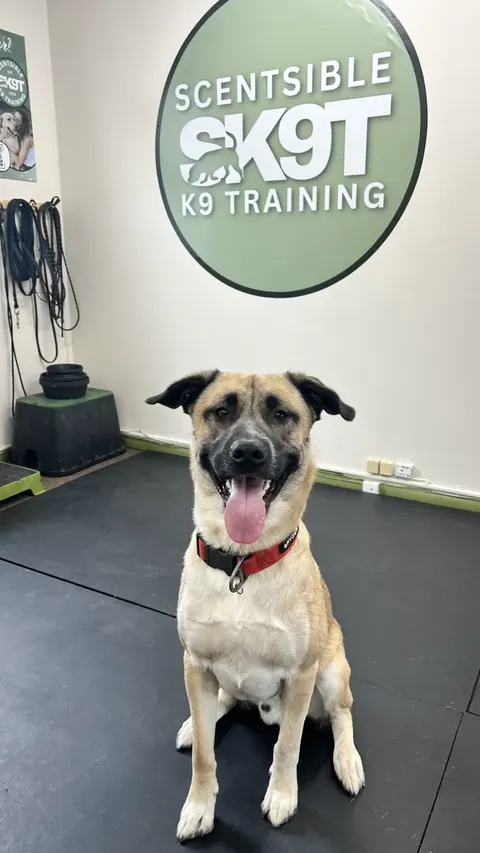
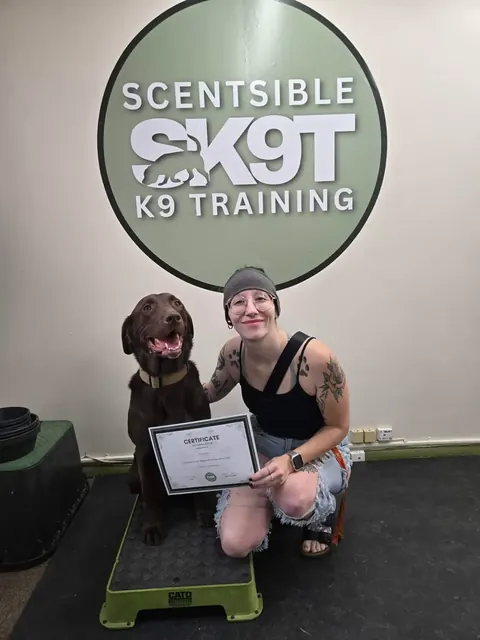
Real clients and their dogs in Meridian, Idaho.
What owners
ask us.
My dog is well-trained. Why does none of it transfer to real life?
A cue learned in a quiet room is only the start. It has to be practiced in new places, around distractions, and when your dog is excited or stressed before it holds. That practice is most of our work.
Is my dog being stubborn or dominant?
Almost never. Usually the dog hasn't learned that the cue applies in this place, or has learned that waiting you out sometimes works. Neither is dominance. Both get fixed with clearer practice.
We've already done obedience classes. What's different here?
Group obedience classes usually teach in low-distraction rooms. Reliability outside takes practice built for your dog, coaching for you, and attention to your dog's stress level. That is what we add.
How long does it take to see consistent results?
Most families see improvement within the first few sessions. Reliability around big distractions takes longer. It depends on where you start and how often you practice between sessions.
Where do private lessons take place?
Wherever the problem happens: your home, public parks, everyday places. The cue has to work there.
Start with
the assessment.
It shows which type your dog is and what their nervous system needs, before you book anything.