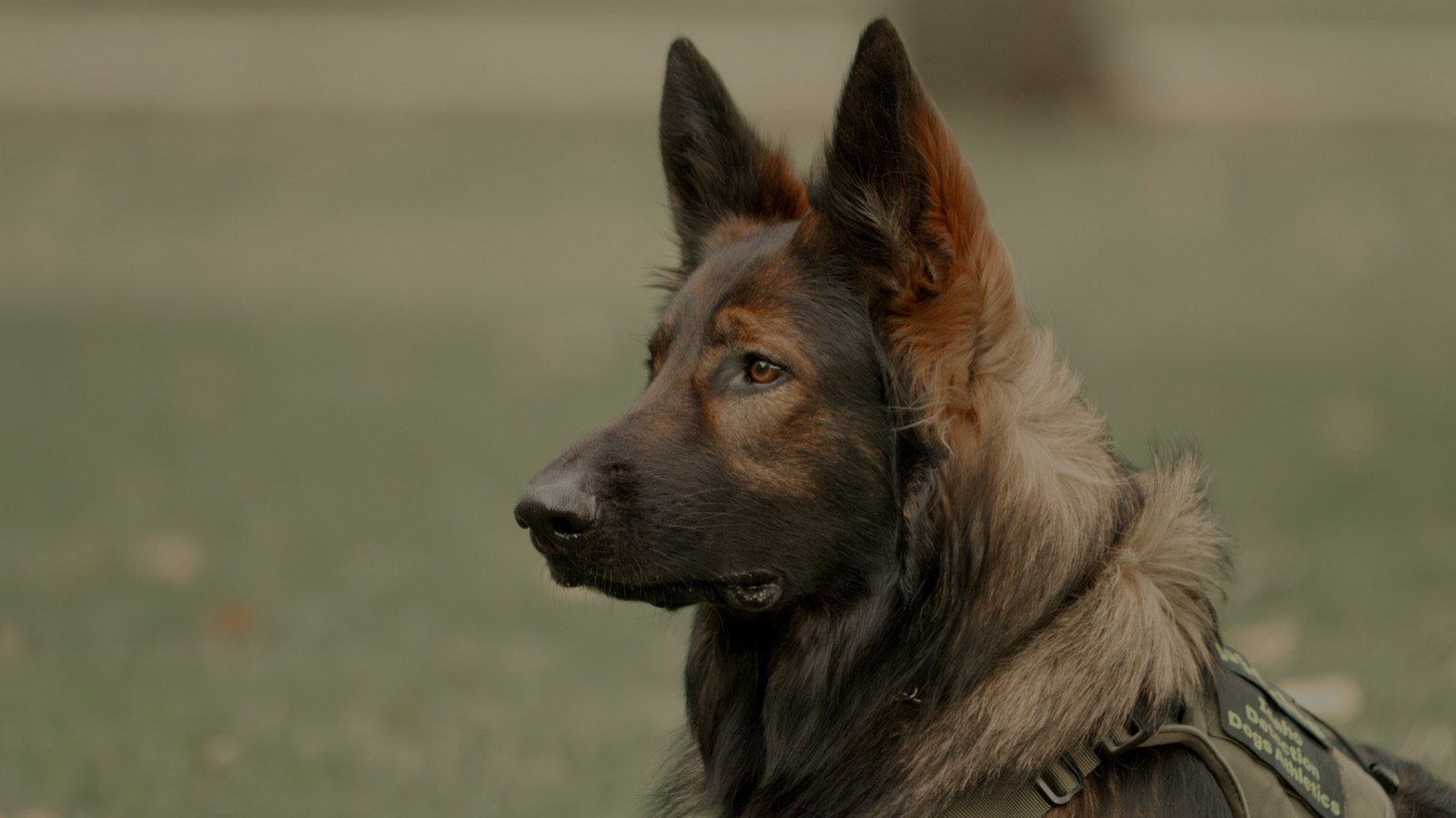
You did the training. They know the words. Then something tips them over and none of it is reachable. That is a nervous system problem, not an obedience one.
Sit. Stay. Place. Heel.
Those are worth teaching, and we teach them. But obedience describes what a dog does. It tells you nothing about how they feel while they are doing it.
That is the gap people keep falling into. They train harder, they get more compliance, and nothing actually changes. Obedience talks to the thinking dog. The nervous system is what takes over the moment the thinking dog checks out, and that is the part nobody trained.
Every one of these gets used on a dog who is simply not okay. The label sends you at the behavior. The truth sends you at the dog.
None of those are training problems. They are a nervous system asking for something it never got.
You're not here because you gave up on your dog. You're here because you haven't.
You've done the class. Watched the videos. Maybe hired a trainer. And for a minute it felt like it was working. Then life got busy, or something changed, and you were right back where you started.
Now you're embarrassed to take them in public. Frustrated every single day. Wondering if something is just wrong with your dog, or worse, wondering if you're the problem.
You're not. And neither is your dog. You are missing one piece.
Every method you tried aimed at the behavior. None of them reached the nervous system driving it, so it only held while life stayed easy.
Dogs were made to use their nose, solve things, move with purpose and then rest. Then we put them in a fenced yard with a doorbell and asked them to be furniture.
Almost everything people call misbehavior is an unmet need finding its own way out. The barking, the pulling, the spinning at the window, the couch that keeps getting destroyed.
We do not train that out of a dog. We hand the job back, starting with the nose. The nervous system settles, and the behavior stops having to shout to be heard.
We've worked every corner of the dog world. Daycares. Grooming shops. Search and rescue. Police departments. We've watched every method, studied every approach, and trained alongside the best in the field.
The first is the one most good trainers will tell you: the permanent results always came from the human-dog relationship. Not a list of rules. Not a correction. The Relationship.
The second is the one almost nobody is using. The fastest way into that relationship is the dog's nose. Scent detection is our cornerstone, because sniffing reaches the nervous system directly. That is why it works on dogs that nothing else reached, and it is why we want to understand your dog before we sell you anything.
Relationship first, then the nose. Settle the nervous system, and the obedience you already taught finally shows up when you need it.
Your dog's nose is not a hobby. It is how they read the world, and in a human world almost nothing asks them to use it.
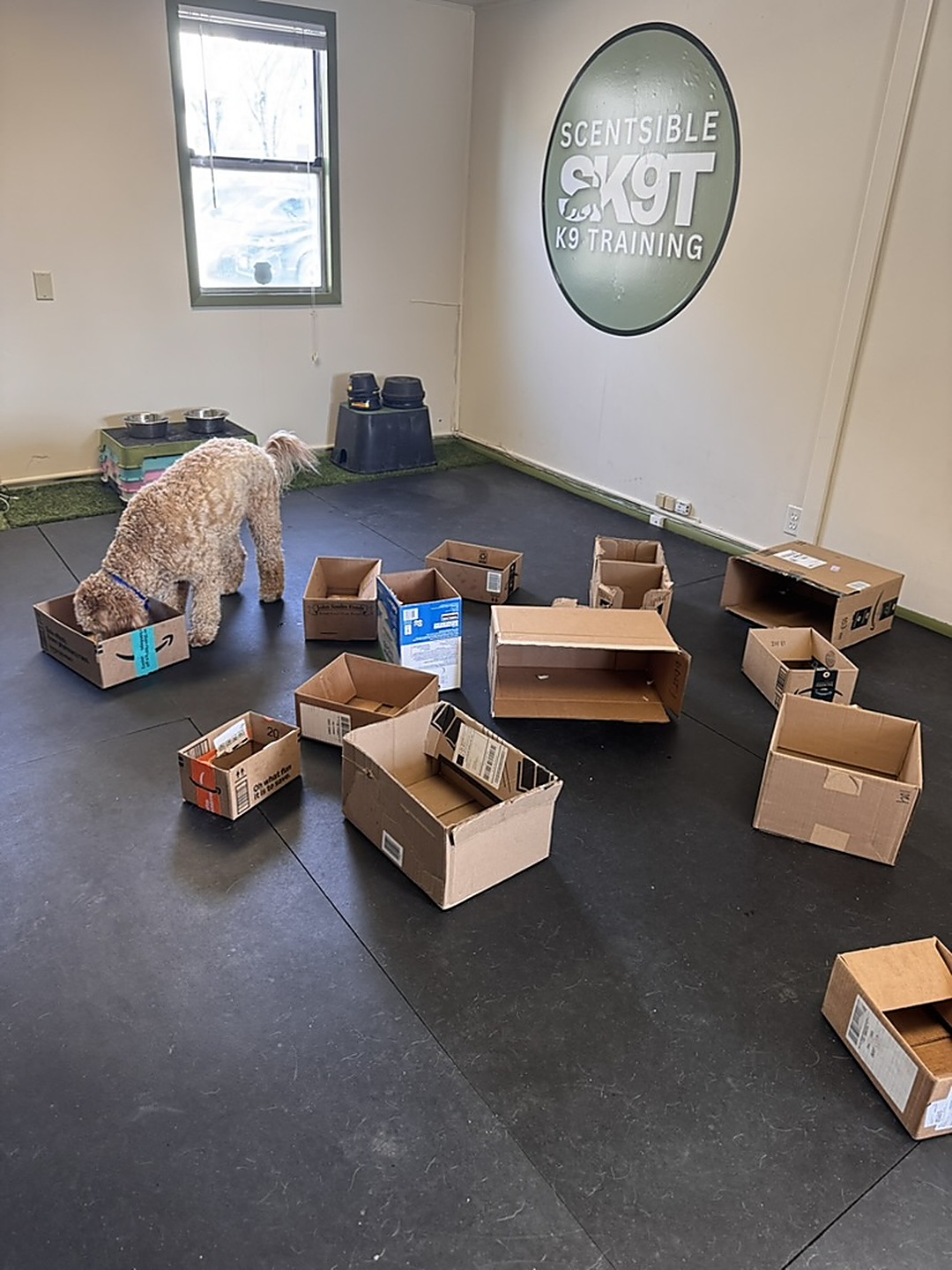
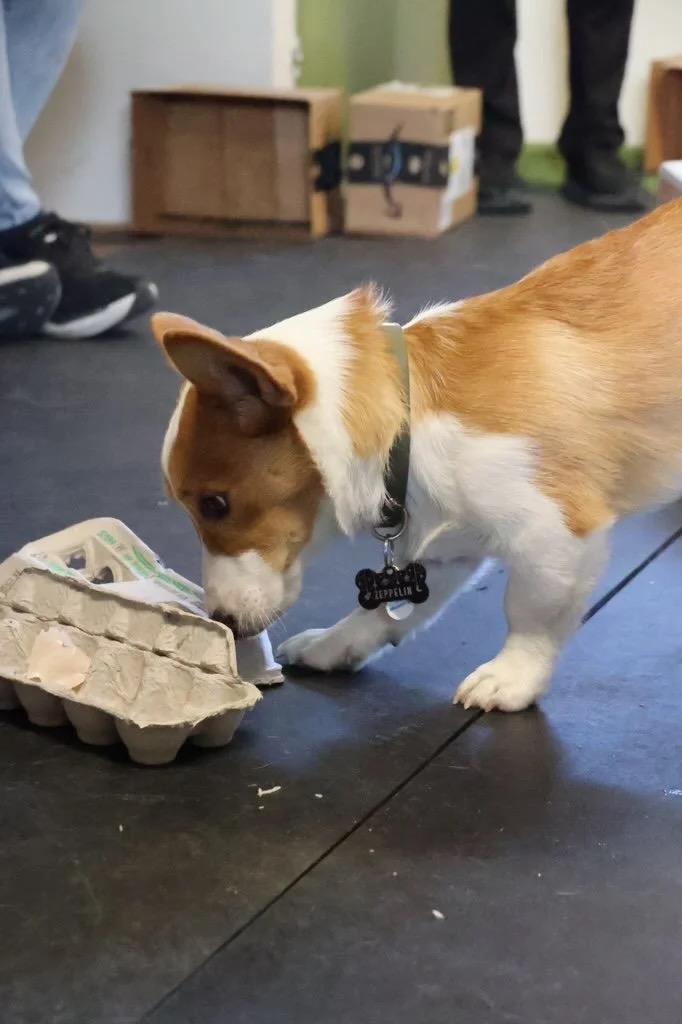
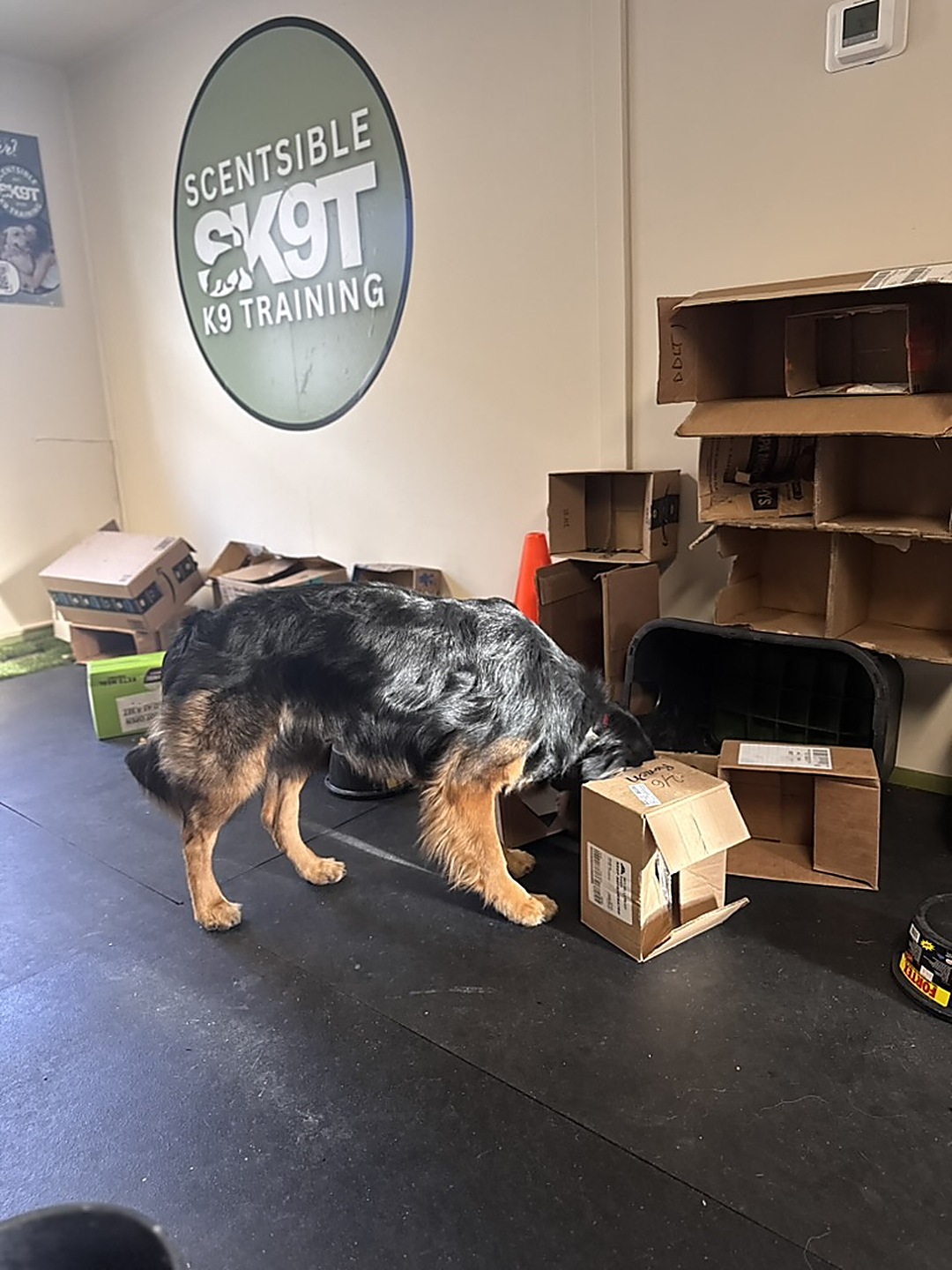
That is a need going unmet all day, every day, in a body that was built to hunt. So we hand it back to them on purpose. We hide something. They go find it. That is day one, and it looks like almost nothing.
Regulation first, then skills. That order is not a preference, it is the method.
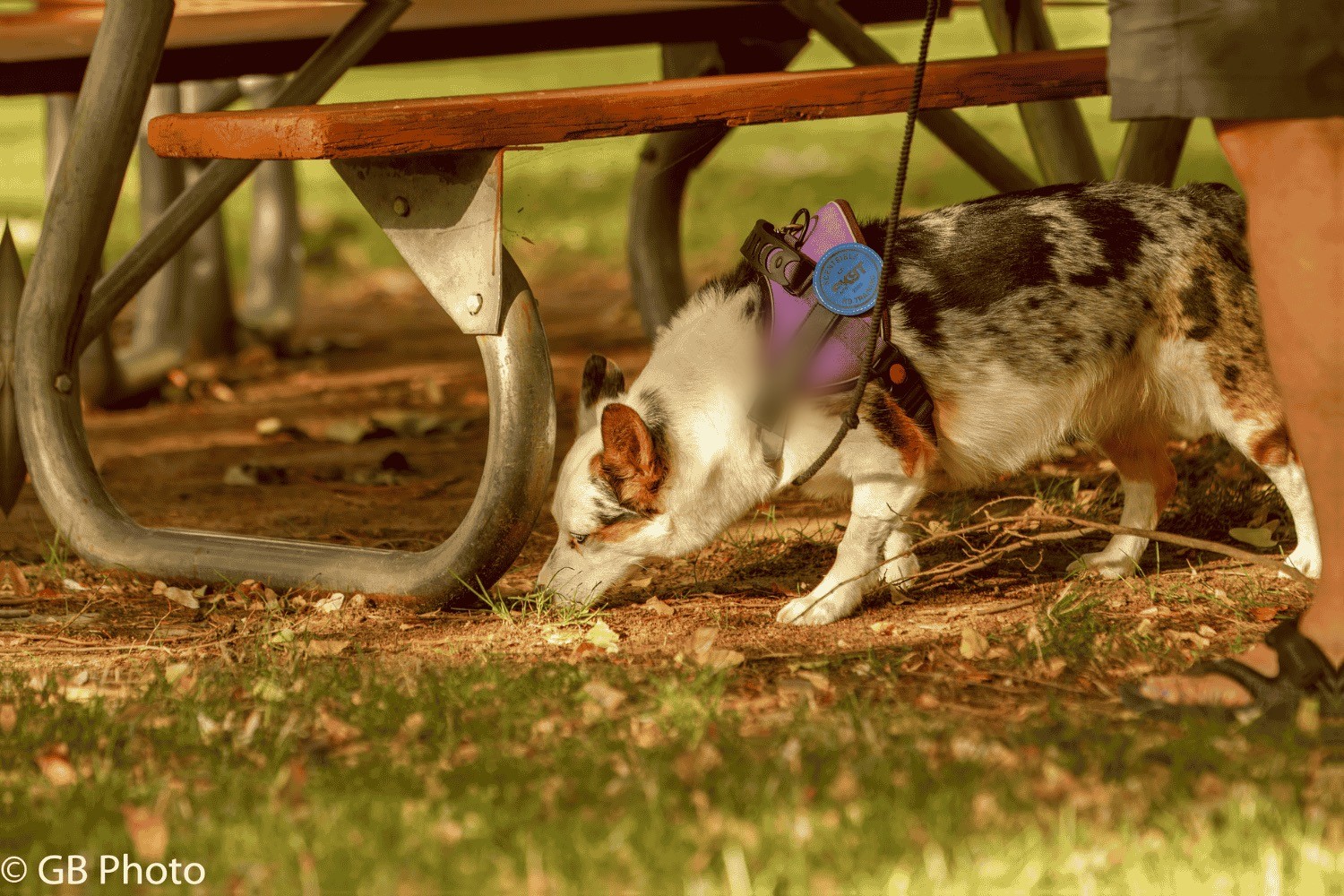
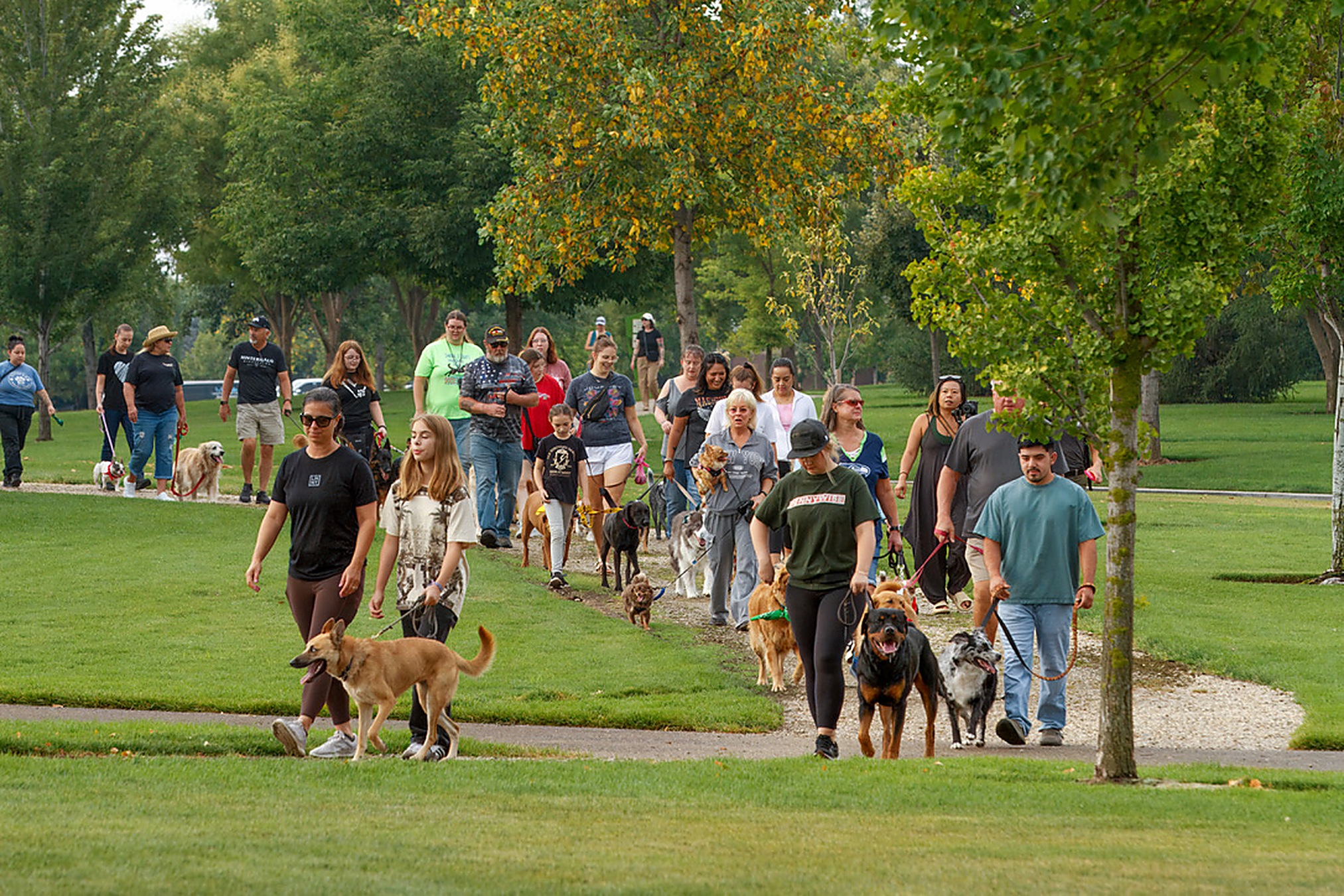
Real searches, our floor and our park
Take our free assessment. We actually want to understand your dog before we recommend anything. No sales pitch. Just real questions that help us figure out what's going on.
Most people have been given the wrong diagnosis. We show you what your dog's nervous system is doing in the moment it falls apart, and why more obedience was never going to fix it.
Scent work first, so the nervous system settles on its own. Then the skills go on top of a dog who can actually reach them, and they hold up in your house, on your walks, in real life.
Blankets on the couch because the dog won't stop jumping. Furniture blocking the window because they destroy the blinds. Baby gates in every doorway. A leash that never comes off inside the house.
These workarounds feel like solutions. They're not. They're just ways to manage a problem that never gets solved, while the dog never gets the understanding they needed all along.
The longer it goes on, the harder it gets. And the relationship never becomes what it could have been.
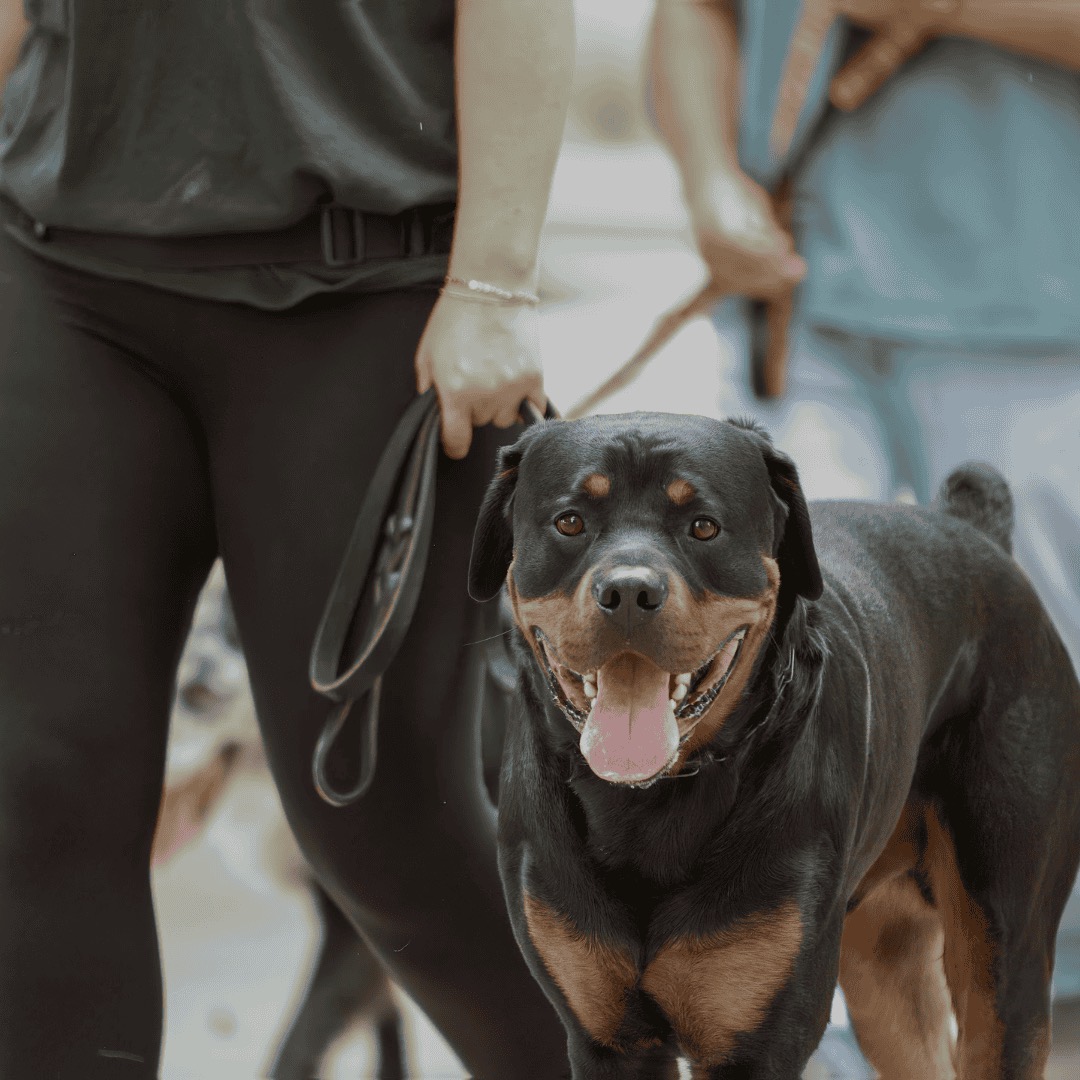
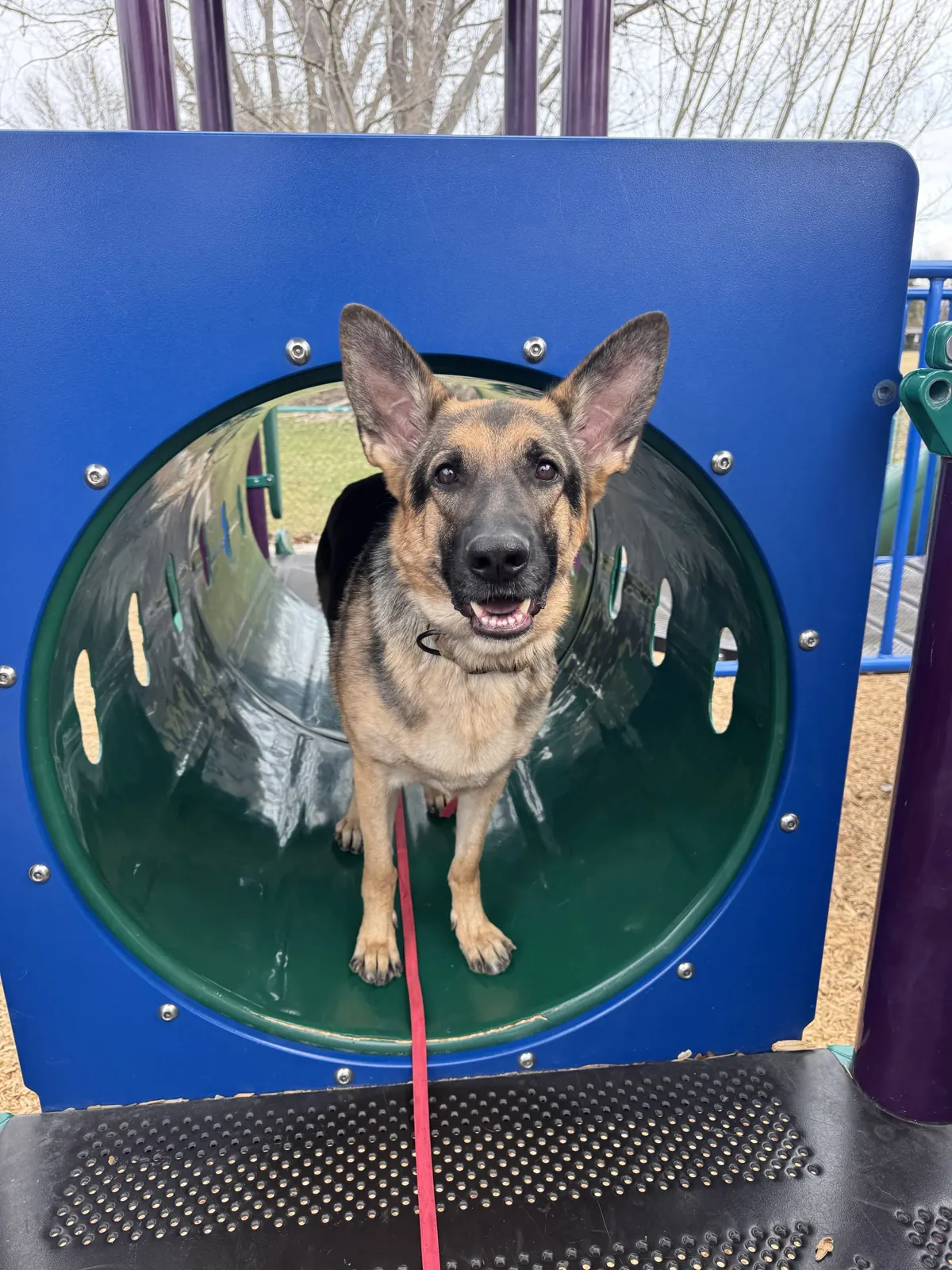
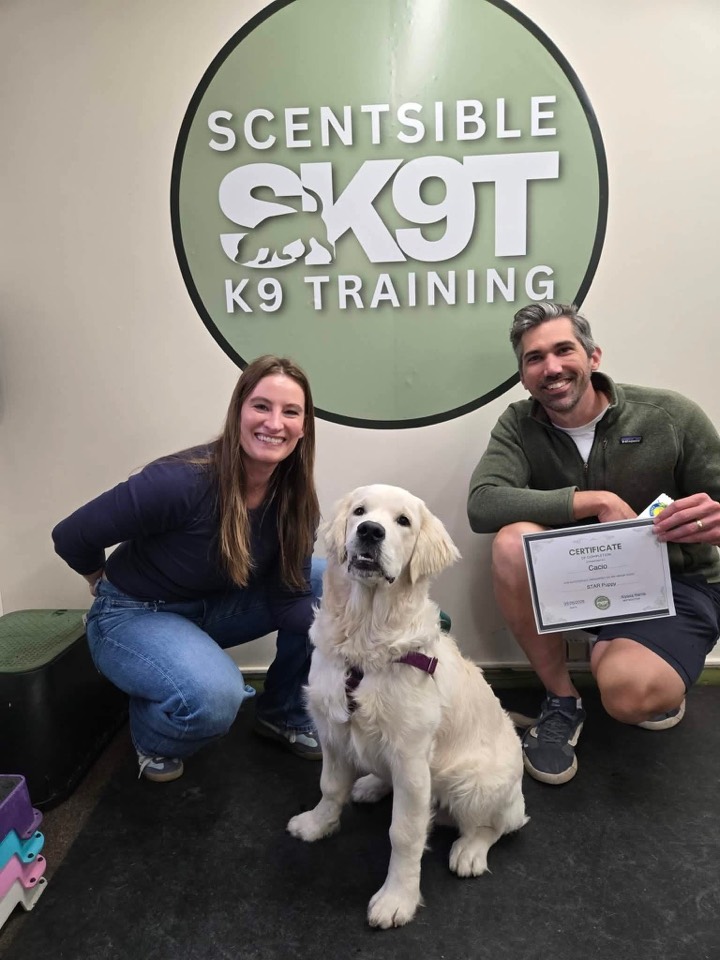
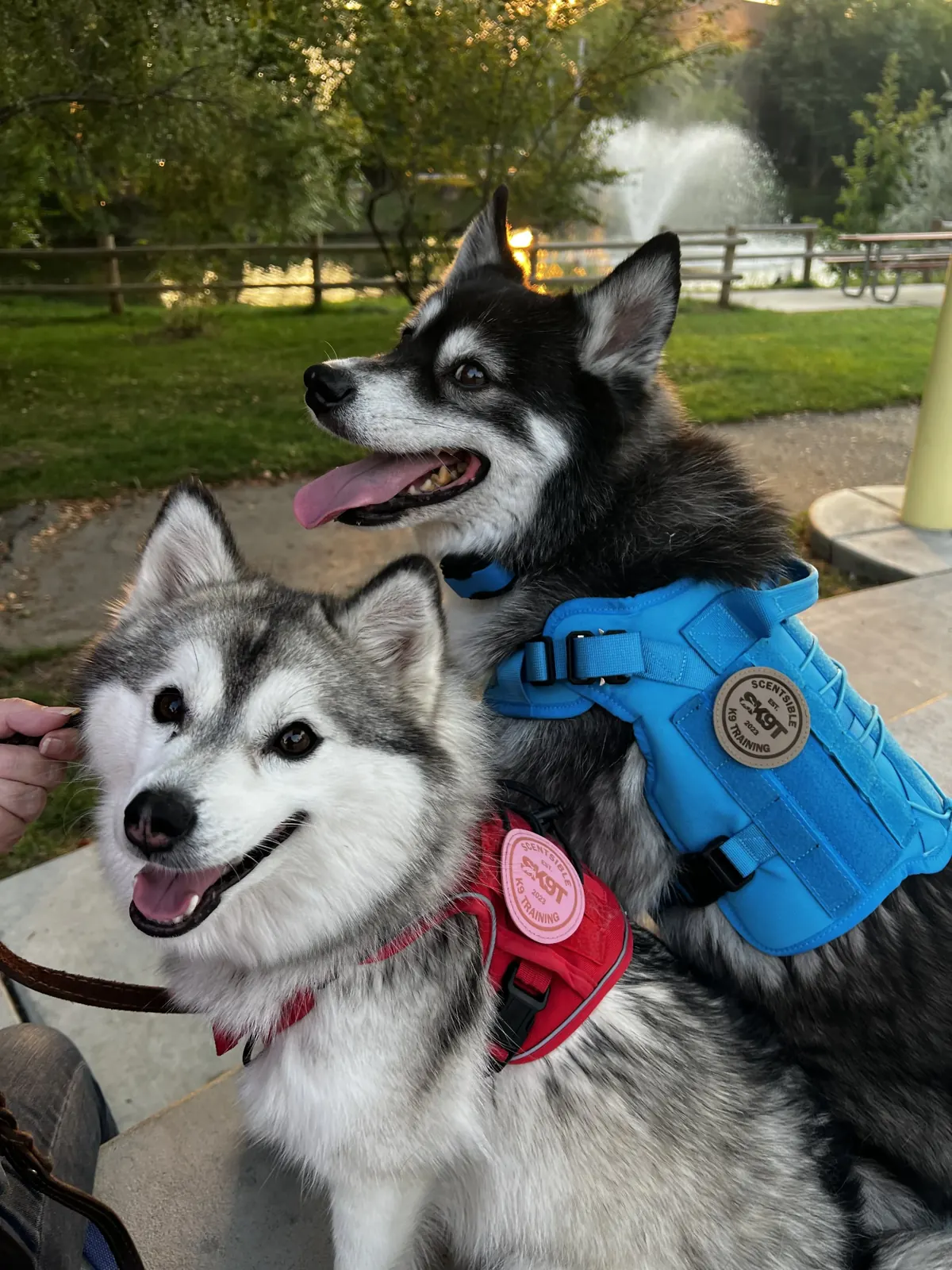
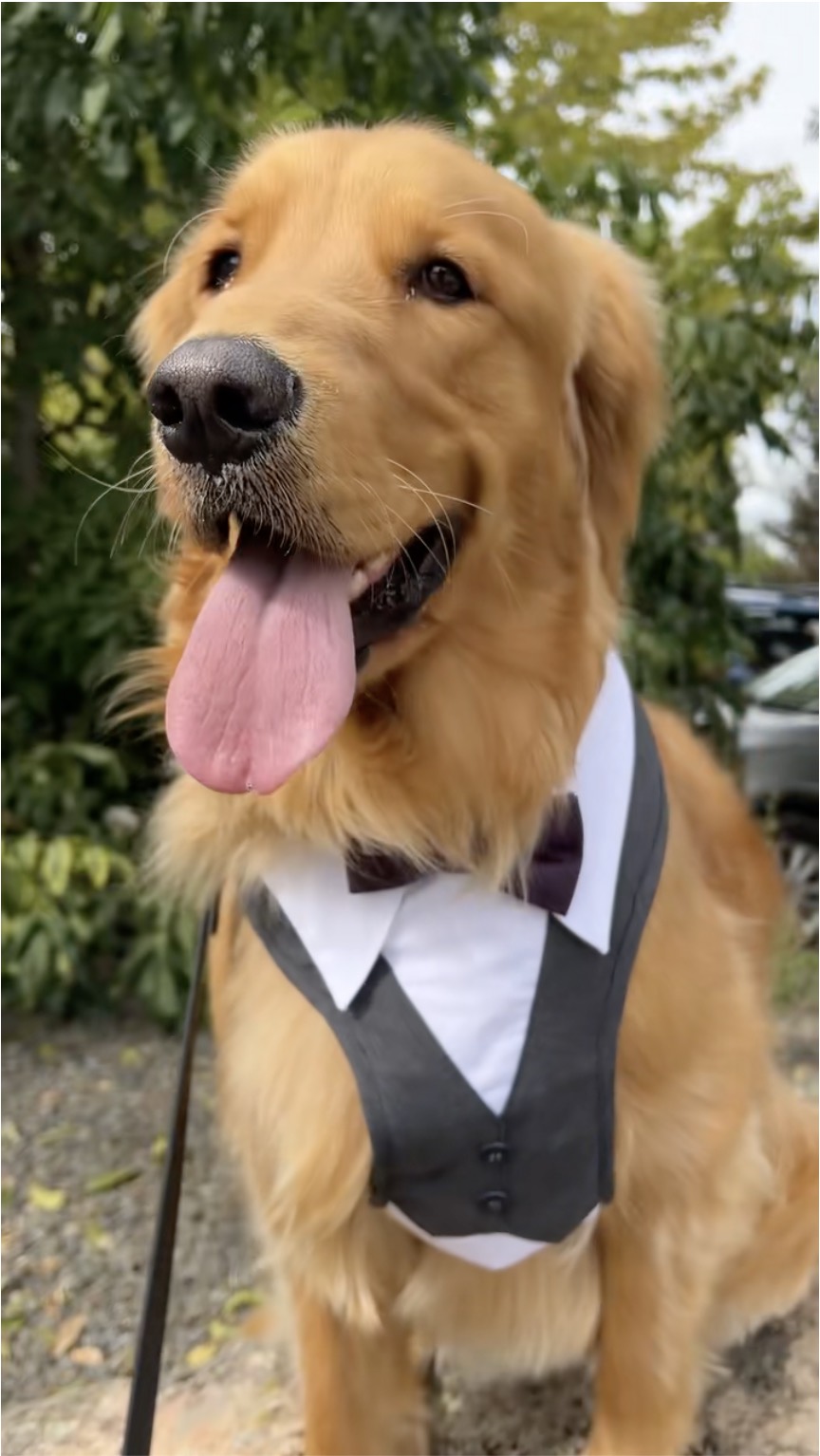
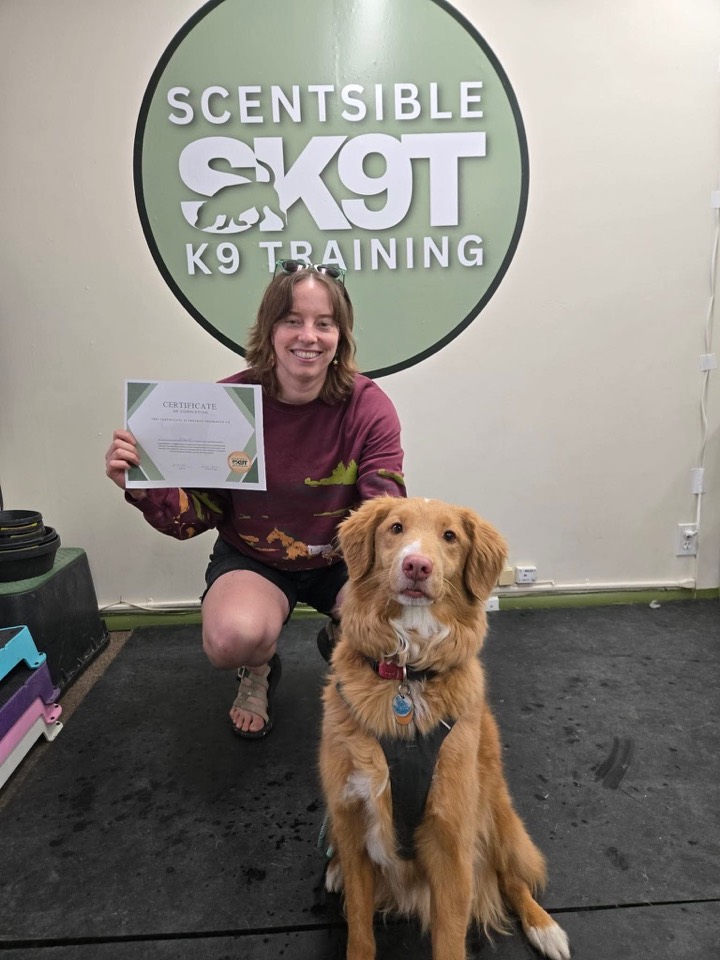
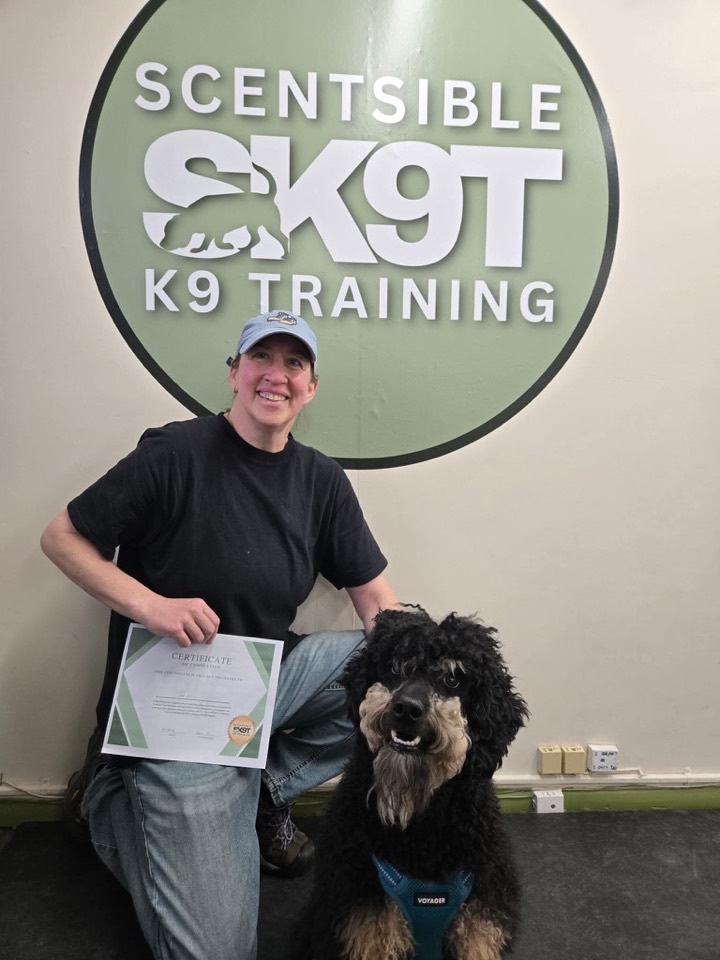
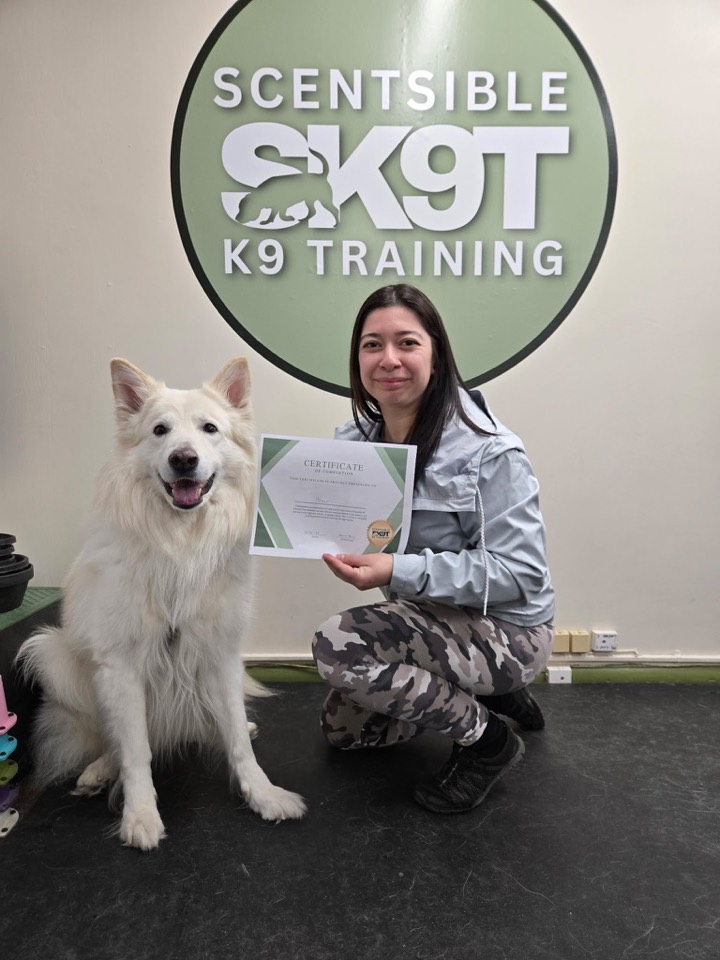
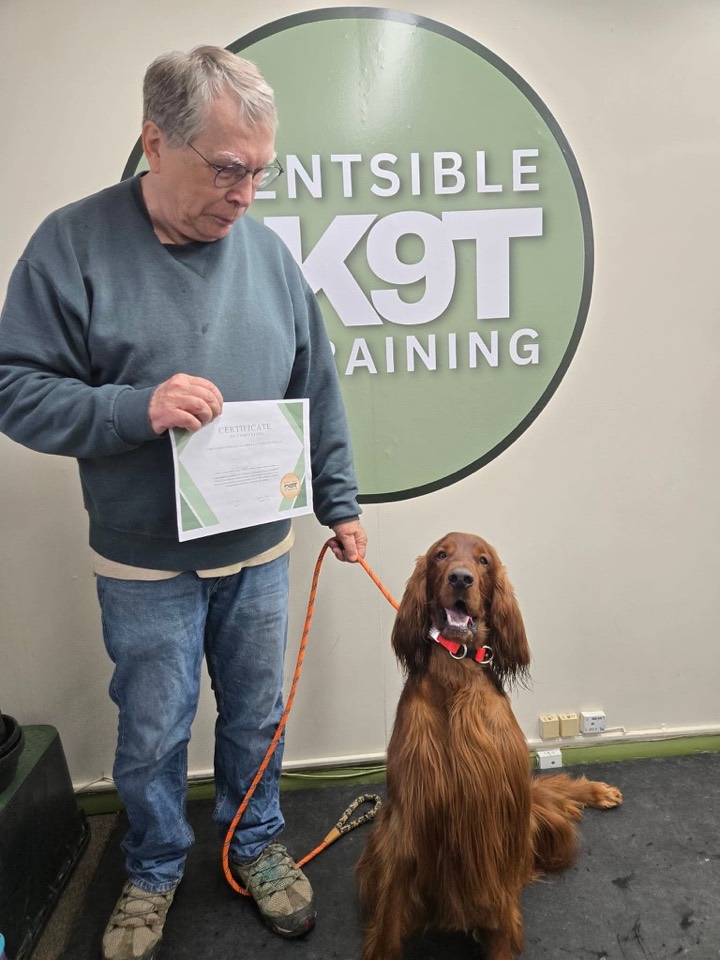
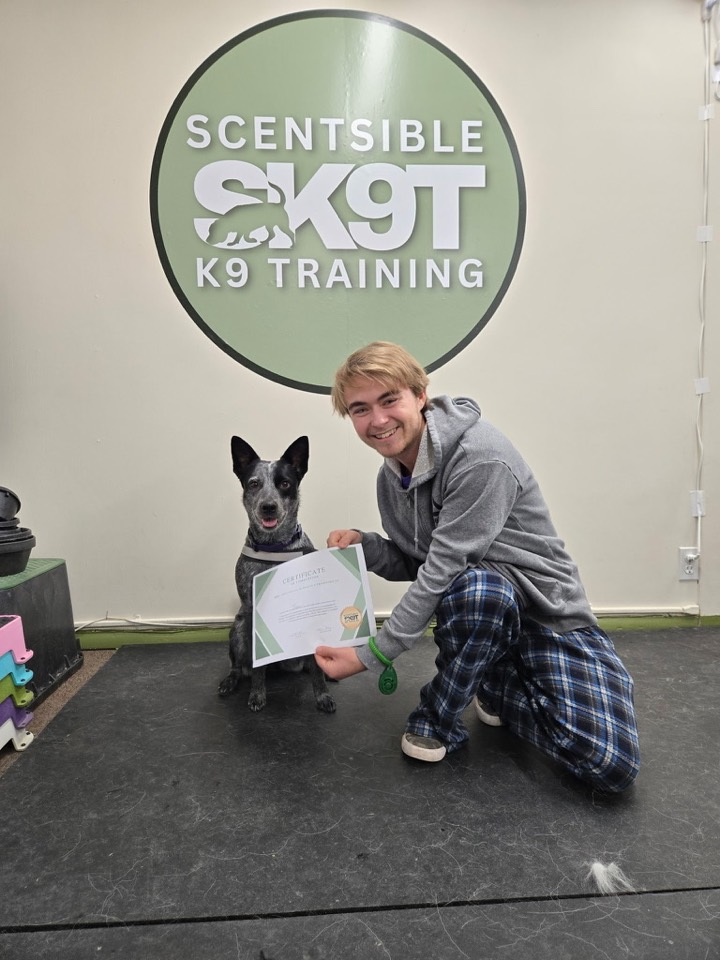
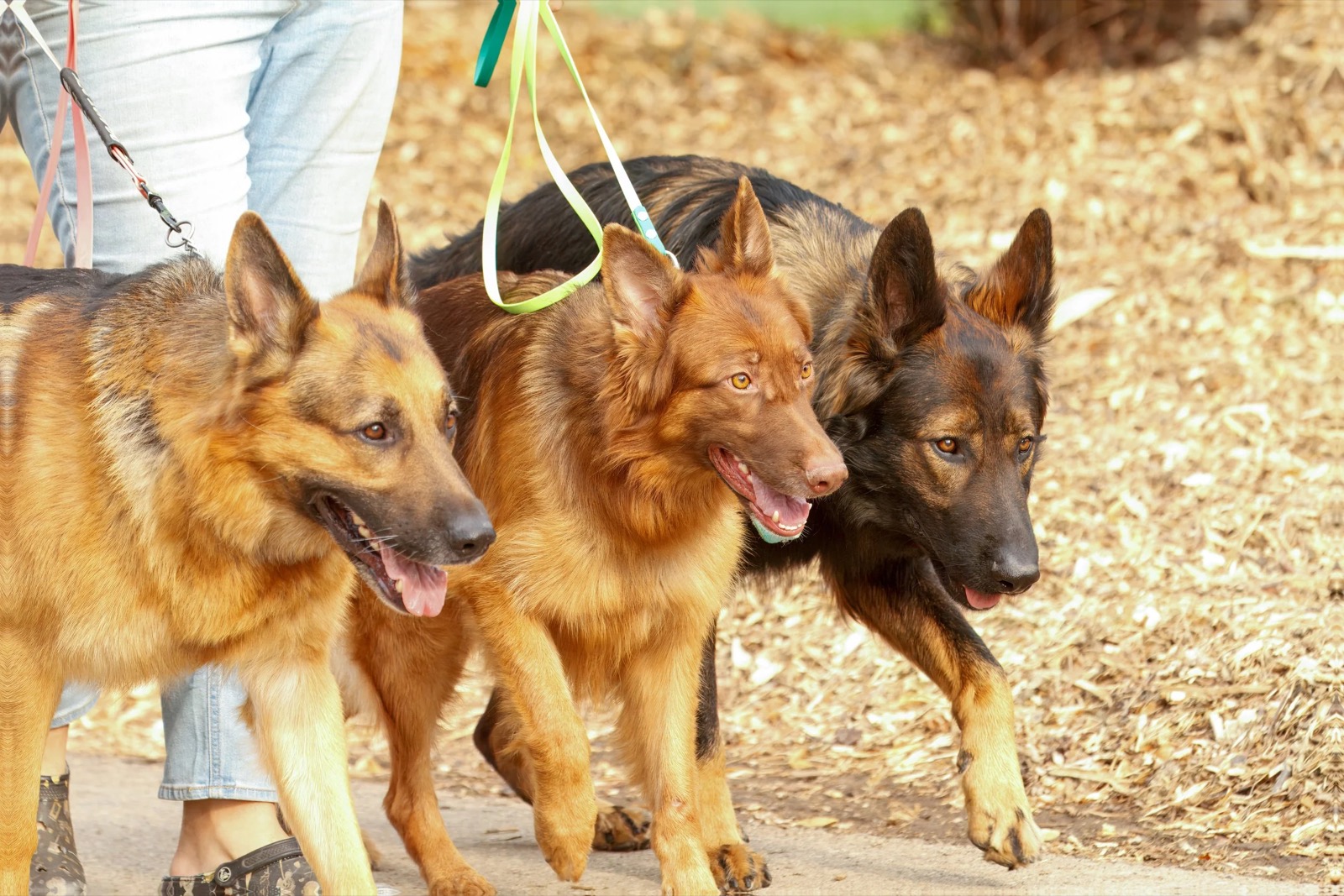
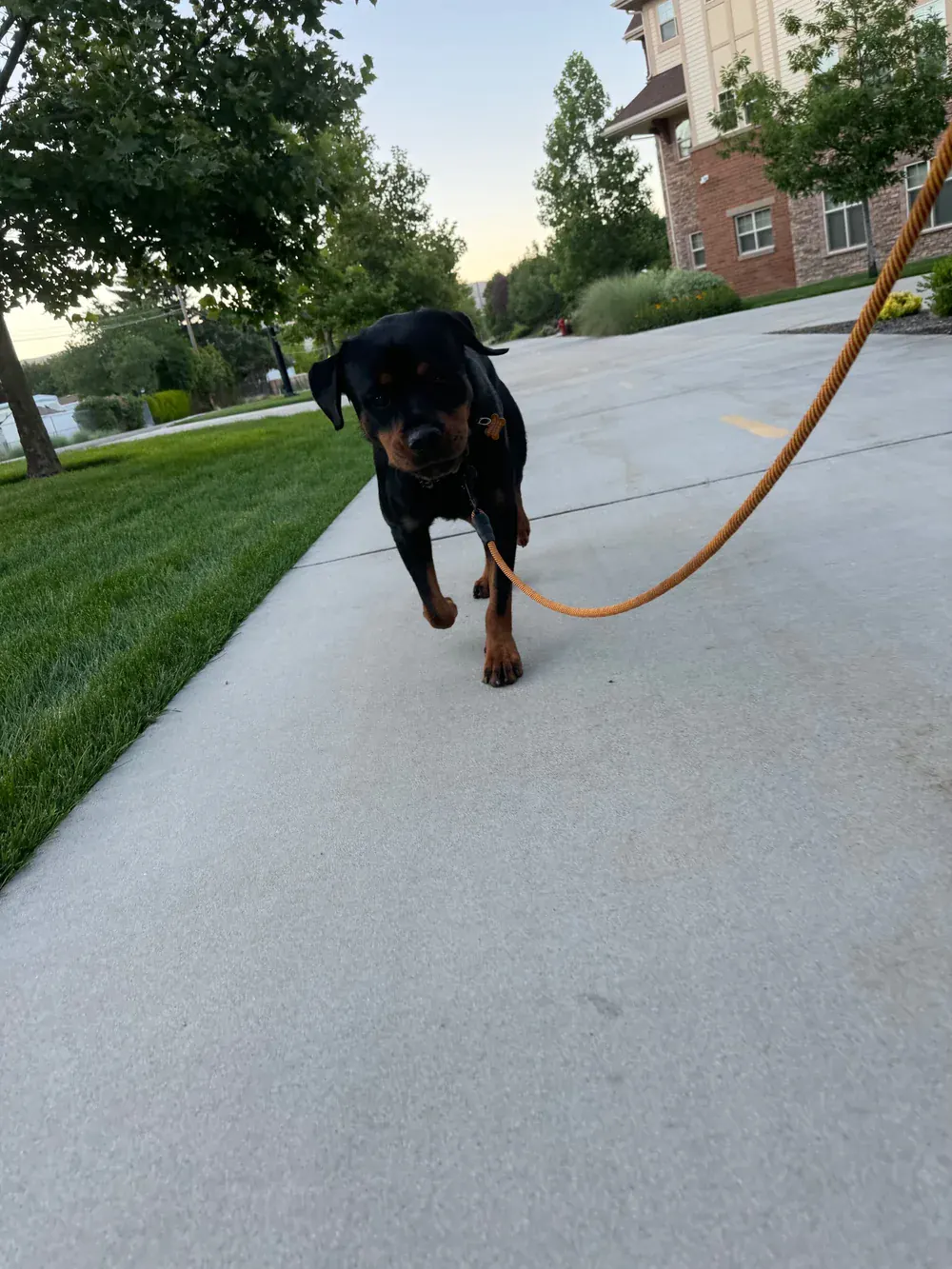
Different breeds, different problems, same starting point. Every one of these dogs had an owner who thought they had tried everything.


Shared with our clients' permission. Every dog here is a real Scentsible K9 client.
Take our free assessment. Tell us about your dog. We'll show you exactly what's going on and what will actually help.
Free · No obligation · Just answers
A dog that's calm, connected, and reliable. Not drilled into compliance, but settled enough that the training is actually reachable when it matters.
An owner who knows what their dog needs and has the tools to meet them there. No more guessing. No more workarounds.
Results that actually last. Because they're built on a real relationship, not a list of rules that fall apart the moment life gets busy.
The relationship you always knew was possible. The one you got the dog for in the first place.
"Kelty has truly transformed our lives and our relationship with our two dogs, Ivy and Nellie. She taught us how to lead with confidence and earn our pets’ respect, which has been evident in their improved responsiveness and recall. We are incredibly grateful for her guidance, patience, and genuine love for our dogs."Brooklyn Stufft · Google review
Anxiety, fear, reactivity, or shutdown. Walks and new situations feel intense. Your dog shuts down, avoids, or reacts out of fear.
Jumping, pulling, impulse control issues. Your dog goes from calm to chaos fast and can't seem to settle no matter what you try.
Inconsistent recall, ignoring cues, selective listening. Your dog knows what you want but checks out when it actually matters.
Barking, destruction, restlessness. Your dog has energy but no outlet. You're stuck in management mode with no clear path forward.
Every dog is different and many fit more than one pattern. That's why we start with understanding, not assumptions. And with all four, we start the same way: we give the nose a job and let the body settle before we ask for anything.
Take the Assessment