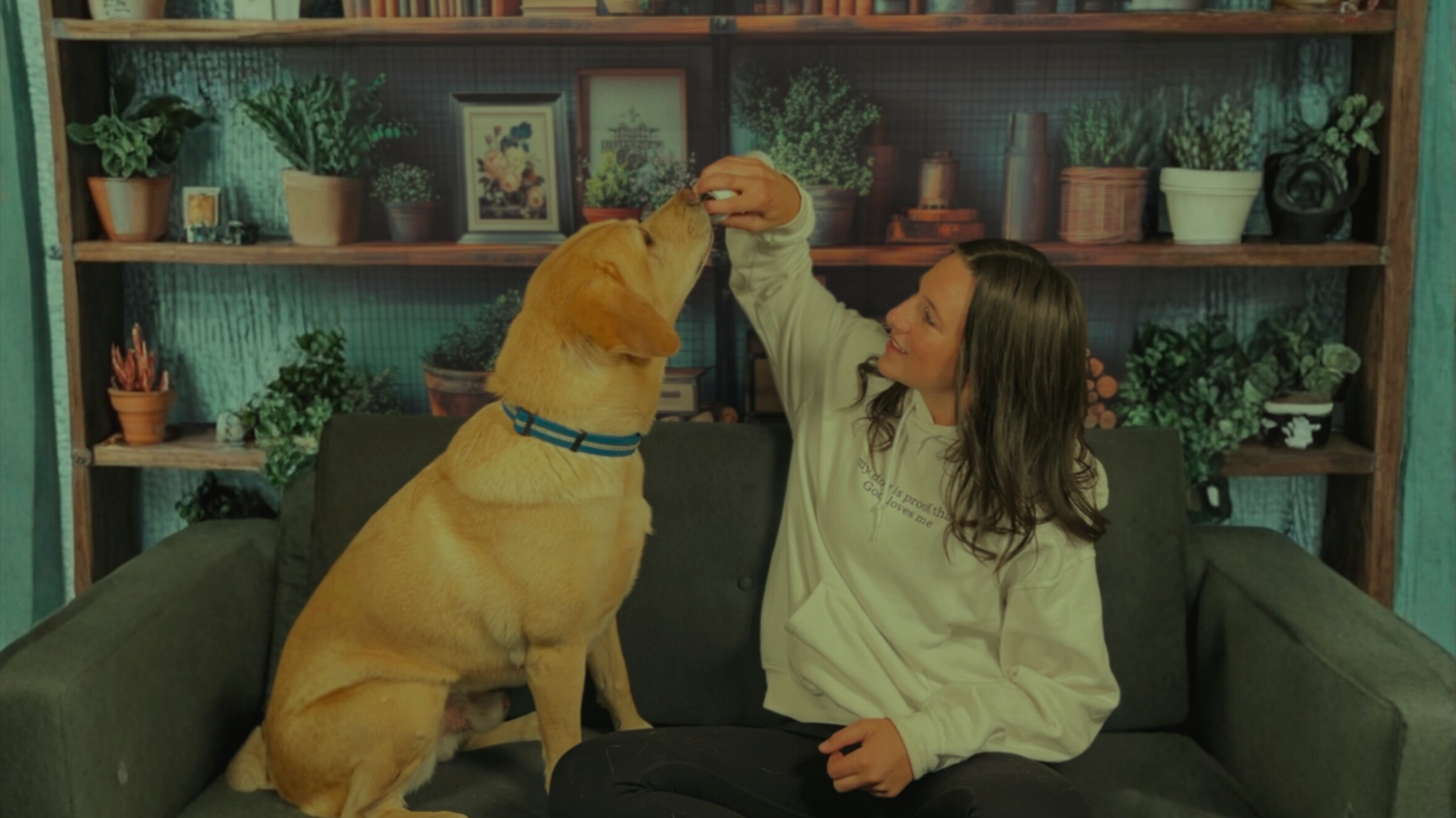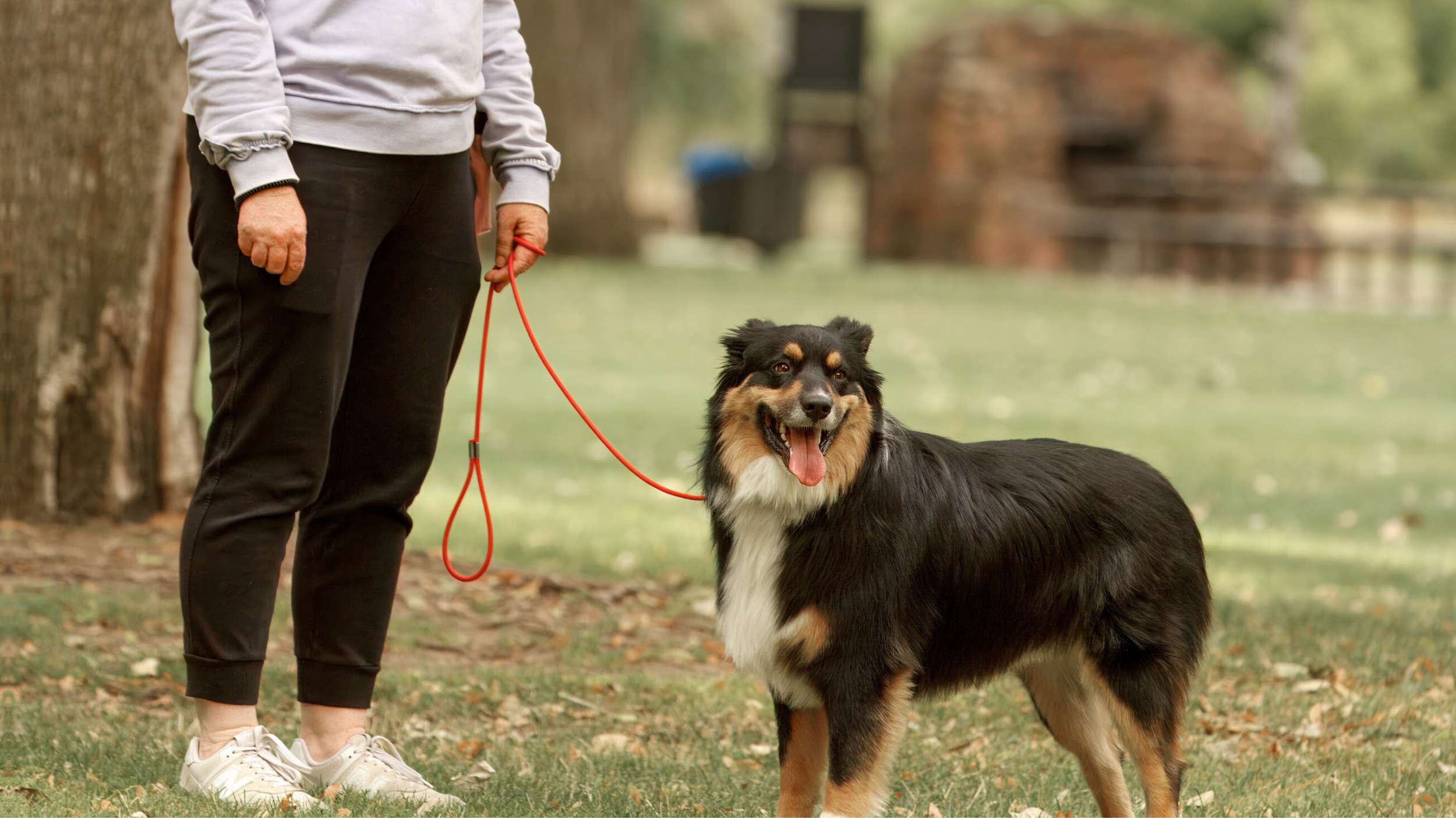
Better behavior starts with a calmer dog.
When dogs feel overwhelmed, they can’t listen, learn, or respond.
We help dogs find regulation first — so behavior finally improves.
Not sure what your dog needs? Take the Behavior Quiz!
Not sure what your dog needs? Take the Behavior Quiz!
Anxiety & Fear-Based Dog Training in Boise & Meridian
Learn how anxiety and fear affect dog behavior, common signs of stress, and how behavior-focused training in Boise and Meridian supports calmer, more confident dogs.
Better behavior starts with a calmer dog.
Better behavior starts with a calmer dog.
When your dog reacts, it can feel overwhelming & embarrassing.
We understand how stressful that is.
Understanding Anxiety and Fear in Dogs
Anxiety and fear-based behaviors in dogs are more common than many owners realize. Dogs who pace, hide, tremble, avoid interaction, or shut down are often responding to stress — not ignoring training or being difficult.
This page explains how anxiety and fear show up in dogs, why these responses develop, and how behavior-focused training can help dogs feel safer and more confident over time. The goal is understanding first, because progress starts when dogs feel emotionally supported.
What Anxiety and Fear Look Like in Dogs
Fear and anxiety can appear in subtle or obvious ways, depending on the dog and the situation.
Common observable signs include:
Trembling, shaking, or panting
Avoidance of people, dogs, or environments
Hiding or retreating
Freezing or shutting down
Excessive pacing or restlessness
Hypervigilance or constant scanning
Difficulty settling, even at home
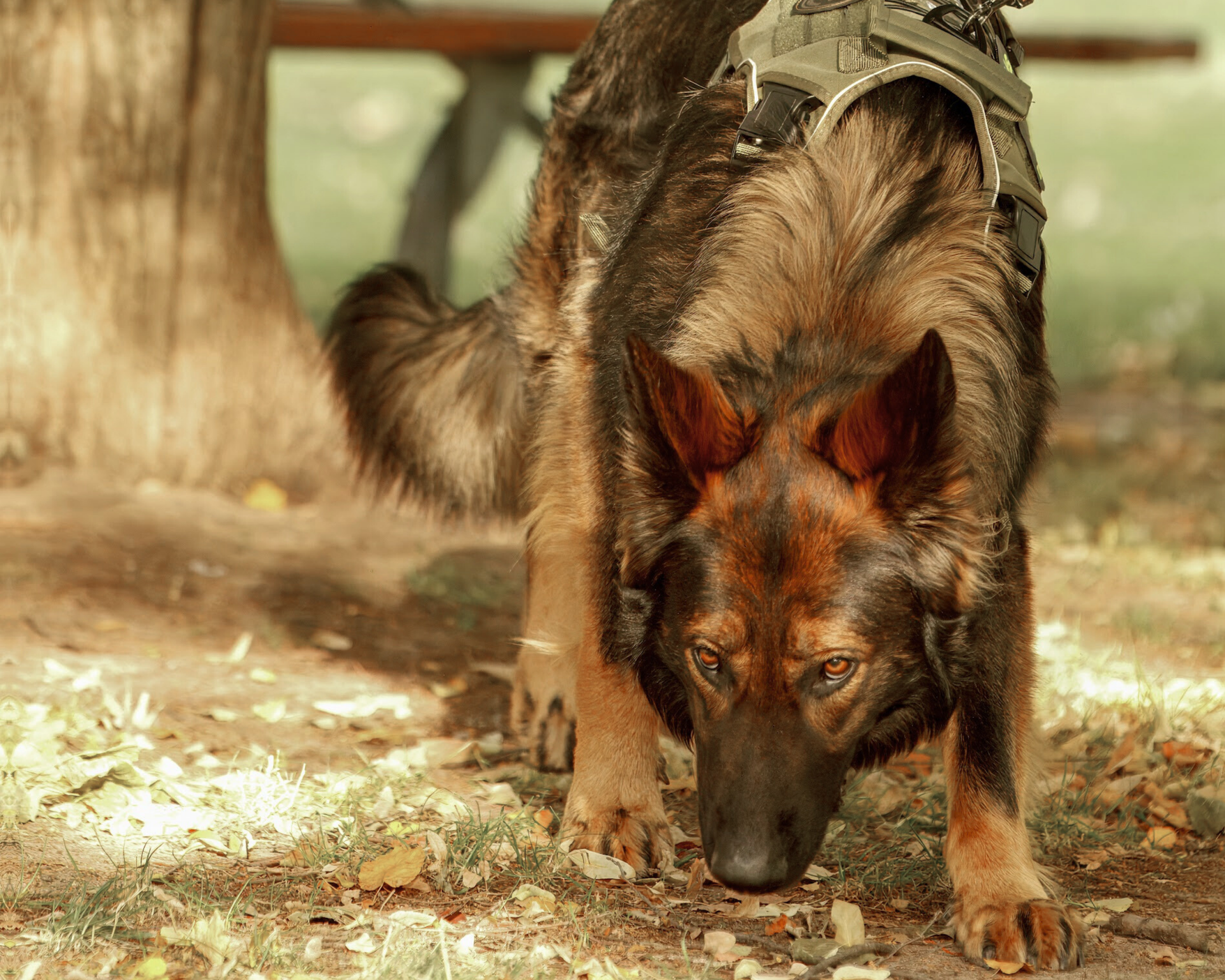
Some dogs express anxiety quietly, while others escalate into reactive behaviors. Both patterns indicate that the dog feels unsafe or overwhelmed.
Why Dogs Experience Anxiety or Fear
Anxiety rarely has a single cause. It typically develops through a combination of factors that influence how a dog perceives and processes the world.
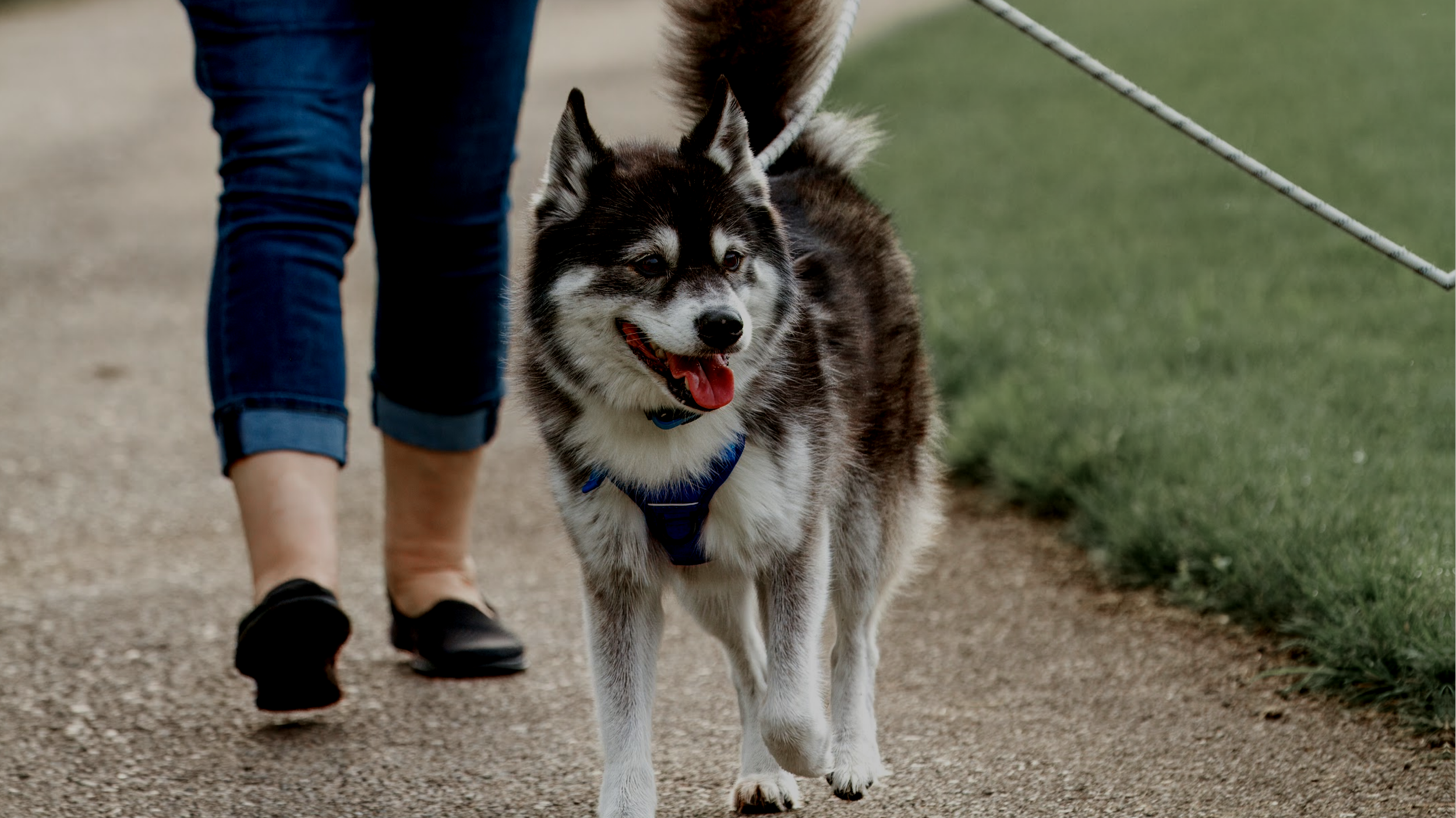
Environmental Uncertainty
Unpredictable environments, loud noises, crowds, or frequent changes can overwhelm a dog’s ability to feel secure.
Nervous System Sensitivity
Some dogs are naturally more sensitive to stimulation. Once stressed, their nervous system takes longer to recover.
Past Experiences
Negative or confusing experiences — even mild ones — can shape future emotional responses, especially if stress was not resolved.
Lack of Predictability
Dogs rely on structure and clarity. When expectations change frequently or communication is unclear, anxiety often increases.
Accumulated Stress
Stress compounds. Small challenges throughout the day can stack until the dog’s coping capacity is exceeded.
Why Common Advice Often Misses the Mark
Fear-based behaviors are often misunderstood and addressed with advice that unintentionally increases stress.
Suggestions such as “ignore it,” “push through,” or “they’ll get used to it” may force exposure without addressing emotional readiness.
When dogs are pushed past their comfort level, they may:
Shut down further
Avoid learning
Lose trust
Become more sensitive over time
Without emotional safety, behavior change does not last.
What Helps Dogs Struggling With Anxiety
Support for anxious or fearful dogs focuses on helping them feel safe enough to stay engaged.
Helpful elements often include:
Lowering environmental pressure
Slowing the pace of training
Predictable routines and structure
Clear, calm communication
Allowing choice and movement
Gradual exposure at the dog’s pace
These strategies help dogs build confidence rather than simply endure stress.

How Behavior-Focused Training Supports Change
Behavior-focused training addresses anxiety by working with the dog’s emotional state, not against it.
At Scentsible K9 Training, support for anxious dogs emphasizes:
Regulation before expectation
Reducing stress before adding difficulty
Teaching recovery and coping skills
Helping owners recognize subtle stress signals
This approach helps dogs stay present and capable of learning.
🔗 Learn more about our philosophy:
→ Behavior-First Dog Training
🔗 Explore private support options:
→ Private Dog Training
What Progress Looks Like Over Time
Progress for anxious dogs is often gradual and subtle at first.
Faster recovery from stress
Increased curiosity and engagement
Improved ability to settle
Greater confidence in familiar environment
Reduced avoidance behaviors
These changes reflect growing emotional resilience.
FAQs: Training for Under-Fulfilled Dogs
Is anxiety the same as reactivity?
1
No. Anxiety refers to ongoing stress or fear, while reactivity is a response to specific triggers. Dogs can experience one or both.
Can anxious dogs still learn?
2
Yes. Learning improves significantly once stress levels are reduced and training is paced appropriately.
Does confidence building mean forcing exposure?
3
No. True confidence comes from supported, gradual exposure — not pressure.
How long does it take to see improvement?
4
Progress varies based on stress history, consistency, and environment. Change is cumulative.
Can enrichment help anxious dogs?
5
Yes. Purposeful mental activities can support regulation and confidence when introduced thoughtfully.
Related Resources