Better behavior starts with a calmer dog.
When dogs feel overwhelmed, they can’t listen, learn, or respond.
We help dogs find regulation first — so behavior finally improves.
Not sure what your dog needs? Take the Behavior Quiz!
Not sure what your dog needs? Take the Behavior Quiz!
Reactive Dog Training in Boise & Meridian
Learn what reactive behavior in dogs looks like, why it happens, and how behavior-focused training in Boise and Meridian helps dogs respond more calmly.
Better behavior starts with a calmer dog.
Better behavior starts with a calmer dog.
When your dog reacts, it can feel overwhelming & embarrassing.
We understand how stressful that is.
Understanding Reactive Behavior in Dogs
Reactive behavior in dogs is common, especially in busy or unpredictable environments. Dogs who bark, lunge, freeze, or shut down are often reacting to stress, uncertainty, or overload — not ignoring training or choosing to misbehave.
This page explains what reactive behavior is, why it develops, and how behavior-focused training can support calmer, more regulated responses over time. The goal is understanding first, because lasting change starts with clarity.
What Reactive Behavior Looks Like in Dogs
Reactive behavior can look different depending on the dog, the environment, and the level of stress involved.
Common observable signs include:
Barking or vocalizing toward dogs or people
Lunging or pulling on leash
Sudden emotional spikes in public spaces
Freezing, hesitation, or refusal to move
Avoidance or turning away
Difficulty settling after stimulation
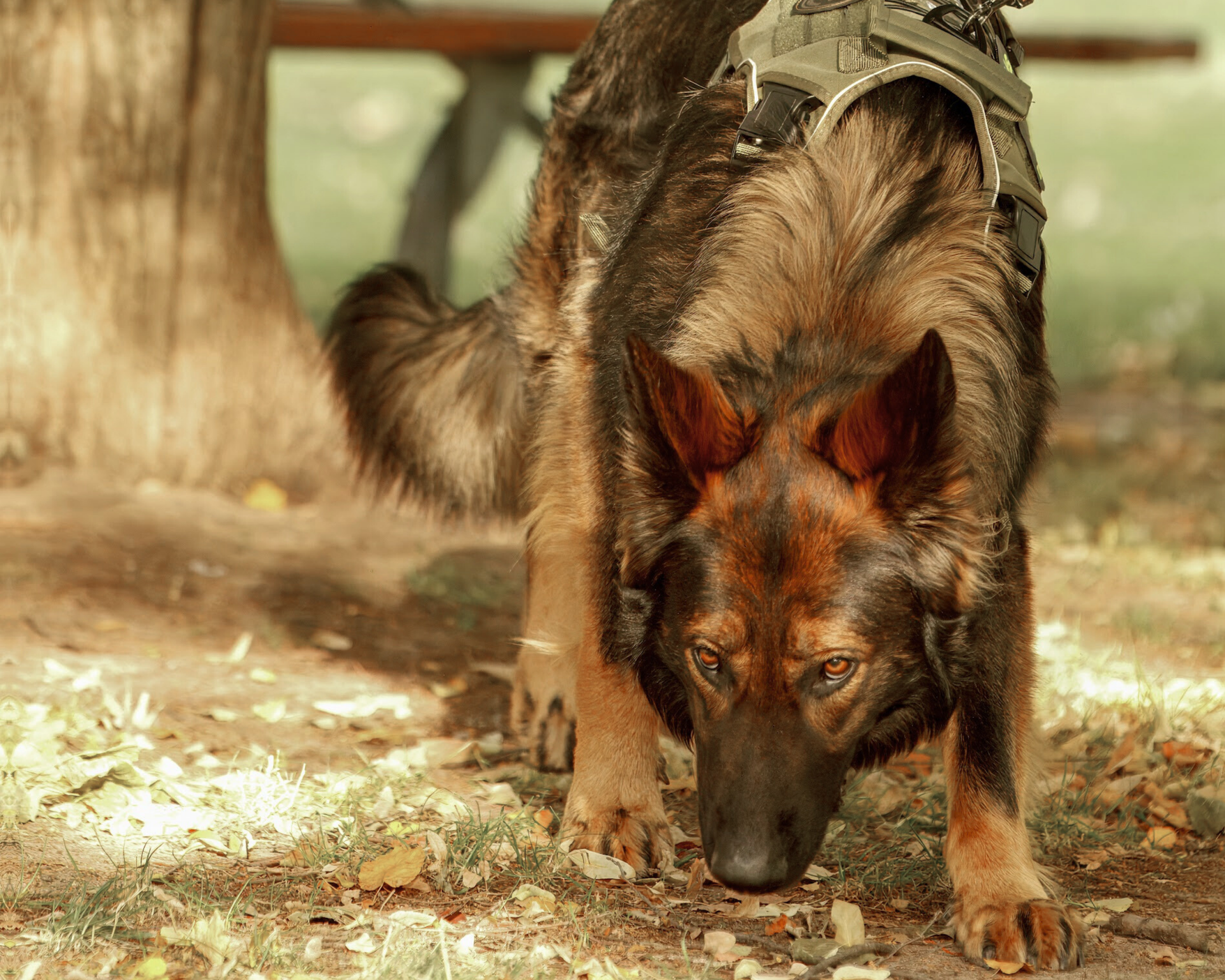
Some dogs express reactivity loudly, while others appear quiet or disconnected. Both indicate difficulty processing the environment in that moment.
Why Dogs Experience Reactive Behavior
Reactive behavior rarely has a single cause. It usually develops through multiple factors interacting over time.
Environmental Load
Busy neighborhoods, narrow sidewalks, crowded parks, and unpredictable encounters place high demands on a dog’s ability to stay regulated.
Nervous System Load
Some dogs have a lower threshold for stimulation. Once arousal rises, recovery takes longer, increasing the likelihood of reactive responses.
Past Experiences
Previous confusing or stressful situations can shape future responses, even if the original event was subtle.
Lack of Clarity or Fulfillment
Dogs without predictable structure, purpose, or guidance often struggle to organize their behavior. Reactivity can emerge as a coping strategy.
Accumulated Stress
Stress compounds throughout the day. A dog may cope early on, then react once capacity is exceeded.
Why Common Advice Often Misses the Mark
Reactive behavior is often addressed with surface-level advice focused on control or suppression.
Strategies like repeating commands, correcting behavior, or avoiding triggers entirely may reduce visible reactions temporarily, but they rarely address what’s driving the response.
When stress remains unaddressed, behavior often returns — sometimes in different or less predictable ways.
What Helps Dogs Struggling With Reactivity
Progress comes from creating conditions where dogs can stay engaged instead of overwhelmed.
Helpful elements often include:
Lowering baseline stress
Slowing the pace of learning
Clear, consistent communication
Predictable routines and environments
Fulfillment through appropriate mental and physical outlets
Time for recovery between challenges
These foundations help dogs process information rather than react reflexively.

How Behavior-Focused Training Supports Change
Behavior-focused training looks at what happens before the reaction, not just the reaction itself.
At Scentsible K9 Training, support for reactive dogs emphasizes:
Regulation before expectation
Gradual exposure at the dog’s pace
Teaching recovery after stimulation
Helping owners recognize early signs of overload
This approach builds resilience and capacity instead of relying on constant management.
🔗 Learn more about our philosophy:
→ Behavior-First Dog Training
🔗 Explore one-on-one support:
→ Private Dog Training
What Progress Looks Like Over Time
Progress for reactive dogs isn’t about eliminating all reactions. Meaningful improvement often shows up as:
Faster recovery after stimulation
Reduced intensity of reactions
Improved ability to disengage
Greater predictability in familiar environments
Increased confidence during daily routines
These shifts indicate growing regulation and emotional capacity.
FAQs: Training for Under-Fulfilled Dogs
Is reactive behavior the same as aggression?
1
No. Reactive behavior reflects difficulty processing stimulation and does not automatically indicate aggressive intent.
Can reactive dogs improve?
2
Yes. With appropriate support, many dogs develop better regulation and calmer responses over time.
Does reactivity only happen on leash?
3
No. Leashes can amplify stress, but dogs may react in many contexts depending on triggers and environment.
How long does improvement take?
4
Progress depends on stress history, consistency, and environment. Change is gradual and cumulative.
Should reactive dogs avoid triggers completely?
5
Avoidance alone doesn’t build resilience. Thoughtful, supported exposure is often more effective.