Better behavior starts with a calmer dog.
When dogs feel overwhelmed, they can’t listen, learn, or respond.
We help dogs find regulation first — so behavior finally improves.
Not sure what your dog needs? Take the Behavior Quiz!
Not sure what your dog needs? Take the Behavior Quiz!
Scent Detection & Nose Work for Dogs
Learn how scent detection and nose work support calm behavior, confidence, and focus in dogs, and why scent-based training benefits dogs of all ages.
Better behavior starts with a calmer dog.
Better behavior starts with a calmer dog.
When your dog reacts, it can feel overwhelming & embarrassing.
We understand how stressful that is.
Understanding Scent Detection and Nose Work for Dogs
Scent detection, often called nose work, taps into a dog’s most powerful natural ability — their sense of smell. While commonly associated with working or sport dogs, scent work is one of the most accessible and behavior-supportive activities for pet dogs of all ages.
This page explains what scent detection training is, why it has such a powerful effect on behavior, and how scent-based activities can support confidence, focus, and emotional regulation. The goal is to help owners understand why scent work works — not just how to do it.
What Scent Detection Looks Like for Pet Dogs
Scent detection training teaches dogs to search for and identify specific scents through structured games and problem-solving.
Common elements include:
Searching for hidden odors
Working independently from the handler
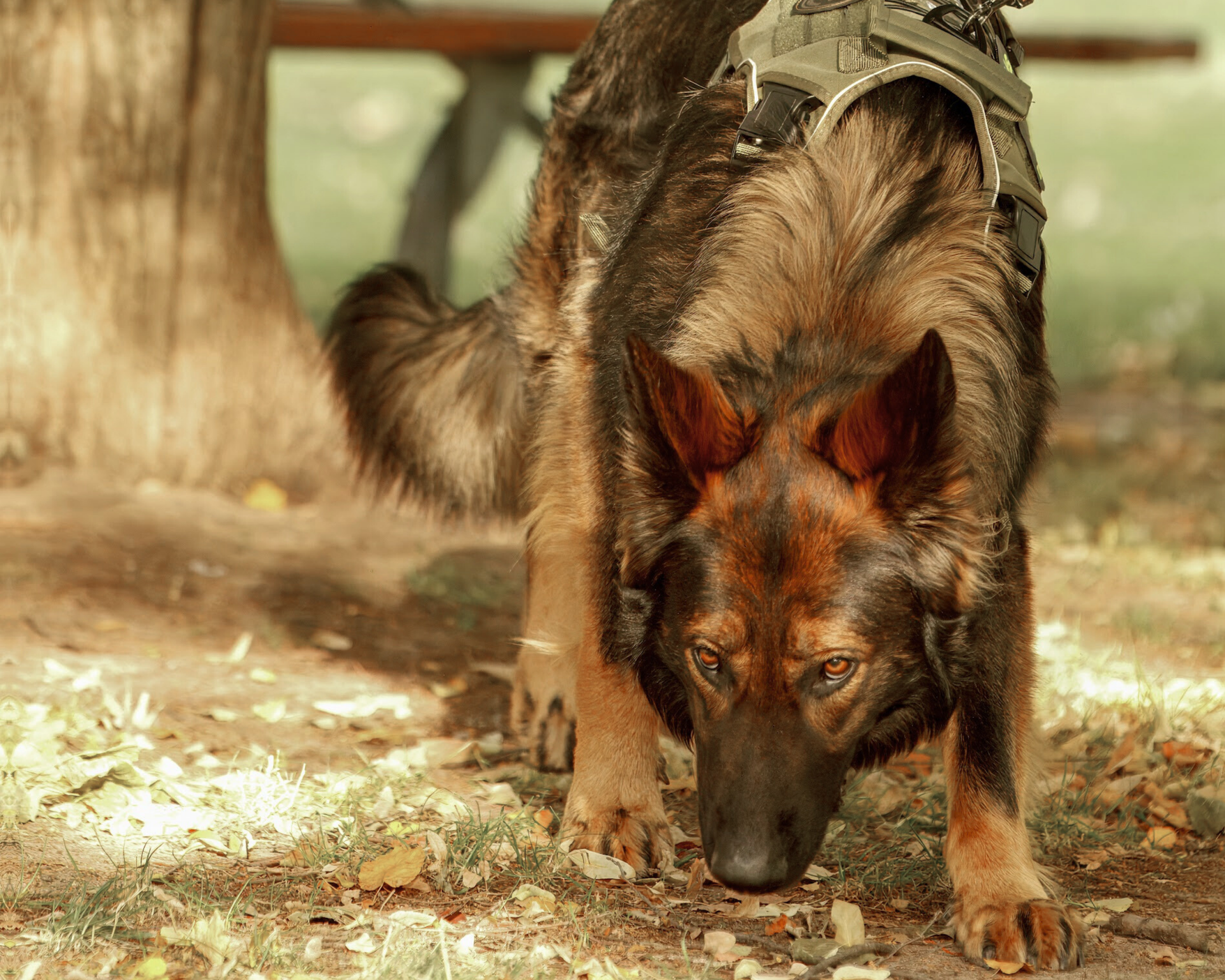
Using nose-first exploration
Indicating when a scent is found
Practicing in varied environments
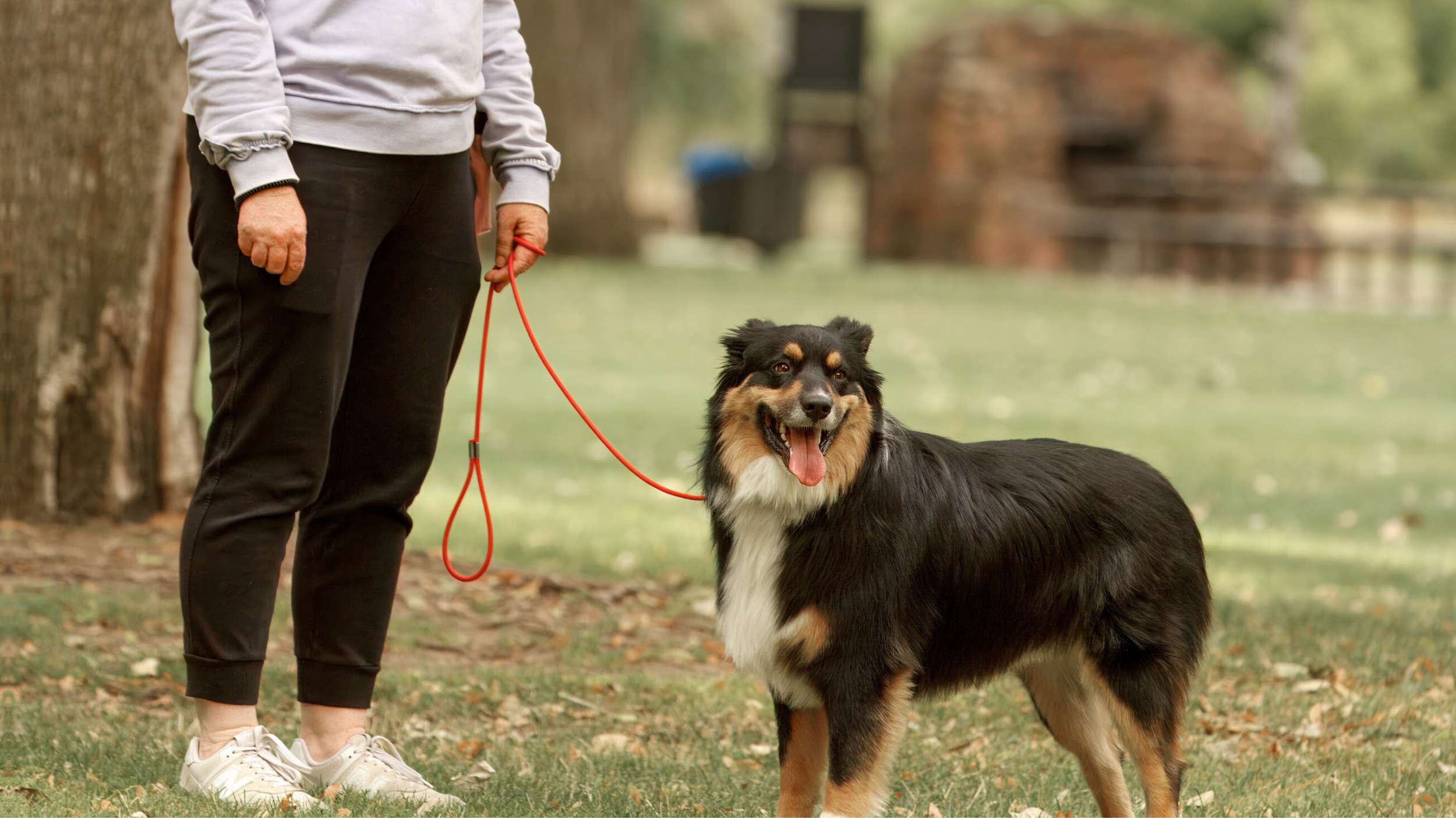
Unlike obedience training, scent work allows dogs to lead the task, which changes how they engage mentally and emotionally.
Why Dogs Benefit So Strongly From Scent Work
Scent detection engages the brain in a way few other activities do.
Natural Instinct Engagement
Dogs are biologically designed to use their nose. Scent work aligns with instinct instead of suppressing it.
Nervous System Regulation
Using the nose encourages slower breathing, focused attention, and reduced visual overstimulation — all of which support emotional regulation.
Confidence Through Success
Scent games are success-oriented. Dogs receive clear feedback and predictable outcomes, which builds confidence.
Independent Problem-Solving
Dogs learn to think and make choices without constant cues, reducing pressure and frustration.
Mental Fulfillment
Mental work often fulfills dogs more effectively than physical exercise alone.
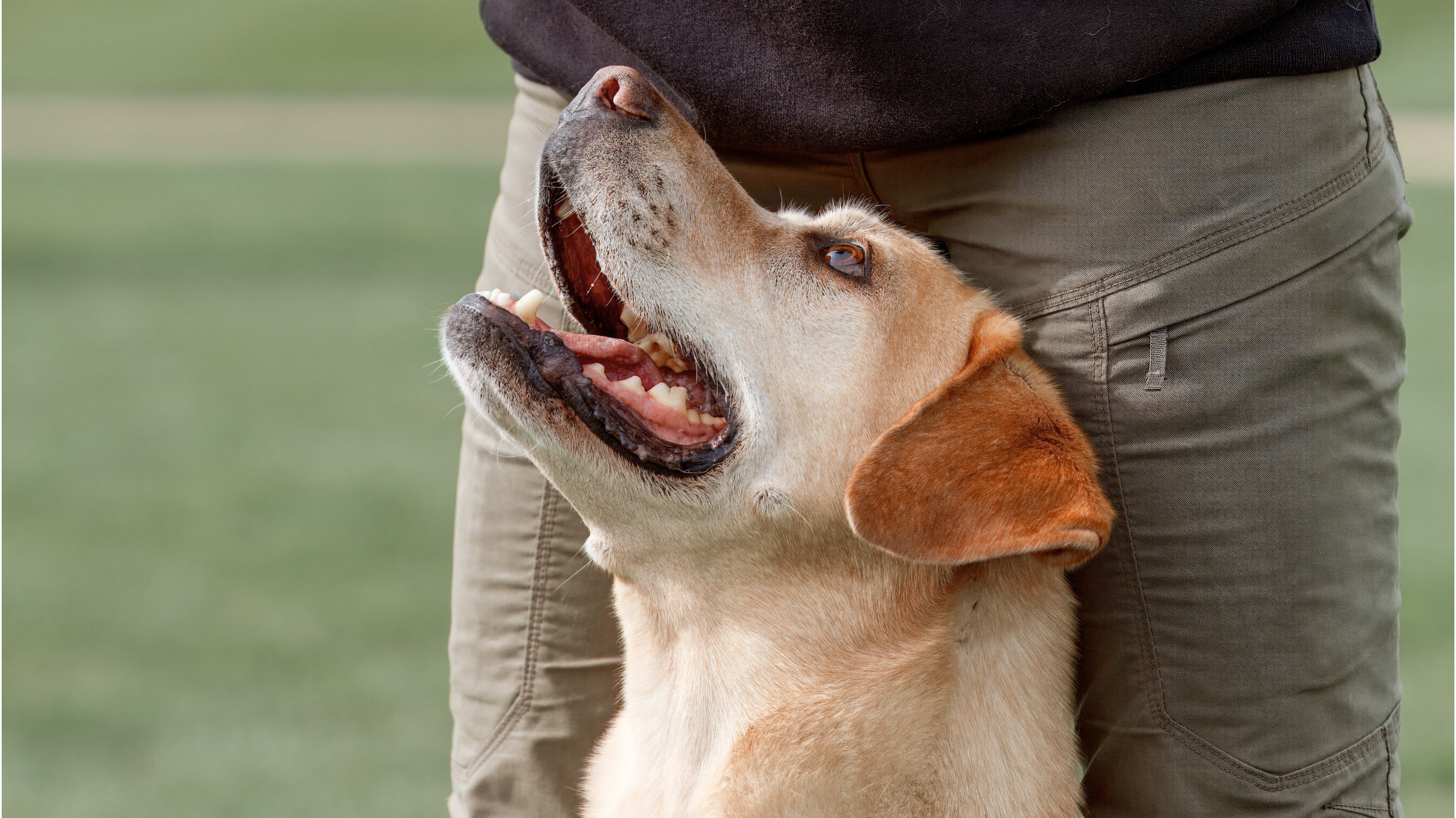
Why Scent Work Is Different From Traditional Training
Many training activities rely heavily on handler direction and constant cues.
Scent detection differs because:
The dog controls the task
The handler becomes a guide, not a director
Pressure is reduced
Focus shifts inward rather than outward
For many dogs — especially anxious, reactive, or easily overstimulated dogs — this shift is transformative.
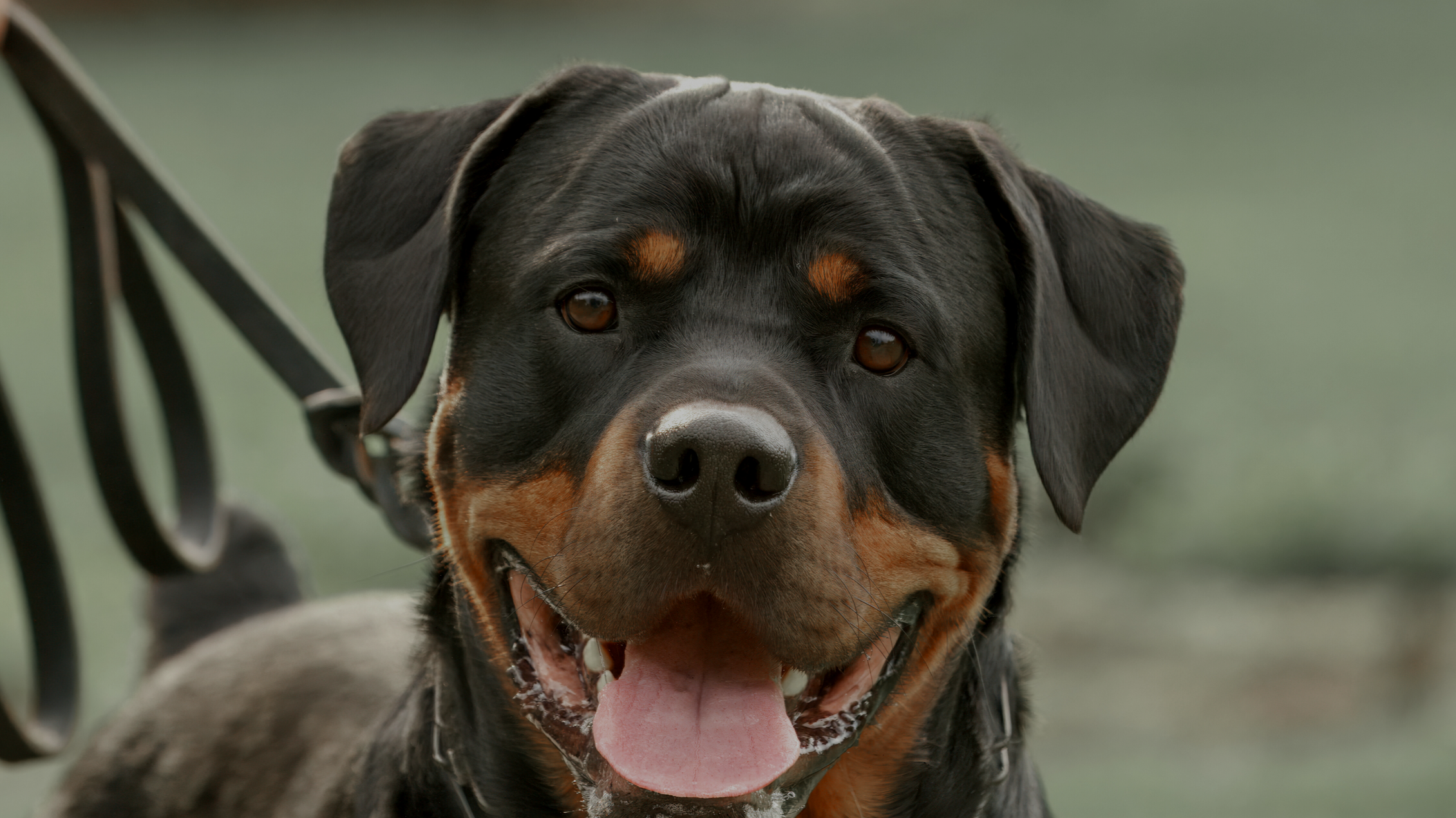
What Types of Dogs Benefit From Scent Detection
Scent detection is highly adaptable and benefits a wide range of dogs.
Dogs who often benefit include:
Anxious or fearful dogs
Reactive dogs
High-energy dogs
Under-fulfilled dogs
Shy or shutdown dogs
Senior dogs
Puppies developing confidence
No prior obedience experience is required for dogs to begin scent work.

How Behavior-Focused Training Uses Scent Work
When integrated thoughtfully, scent detection becomes part of a larger behavior support plan.
At Scentsible K9 Training, scent work is used to:
Support emotional regulation
Build confidence without pressure
Improve focus and recovery
Provide fulfillment and purpose
Strengthen the dog-handler relationship
Rather than existing in isolation, scent work complements behavior-focused training.
🔗 Learn more about our philosophy:
→ Behavior-First Dog Training
🔗 Explore class-based options:
→ Group Classes
What Progress Looks Like Over Time
Progress in scent detection isn’t measured by speed or competition.
Positive changes often include:
Increased engagement
Improved ability to focus
Faster recovery from stress
Calmer behavior outside of training
Greater confidence in new environments
These benefits often extend beyond the scent work session itself.
Frequently Asked Questions
Is scent detection only for working breeds?
1
No. Scent work benefits dogs of all breeds and mixes.
Can anxious dogs enjoy scent work?
2
es. Many anxious dogs thrive because scent work is predictable, pressure-free, and self-directed.
Does scent work replace obedience training?
3
No. It supports behavior and emotional regulation, which can make other training more effective.
How often should dogs do scent work?
4
Even short, regular sessions can have a meaningful impact.
Is scent work physically demanding?
5
It can be adjusted for dogs of any age or physical ability.
Related Resources