Better behavior starts with a calmer dog.
When dogs feel overwhelmed, they can’t listen, learn, or respond.
We help dogs find regulation first — so behavior finally improves.
Not sure what your dog needs? Take the Behavior Quiz!
Not sure what your dog needs? Take the Behavior Quiz!
Leash Reactivity Training in Boise & Meridian
Learn why dogs struggle on leash, what leash reactivity looks like, and how behavior-focused training in Boise and Meridian helps create calmer, more connected walks.
Better behavior starts with a calmer dog.
Better behavior starts with a calmer dog.
When your dog reacts, it can feel overwhelming & embarrassing.
We understand how stressful that is.
Understanding Leash Reactivity and Walking Challenges
Leash struggles are one of the most common reasons dog owners seek help. Pulling, barking, lunging, or shutting down on walks can turn what should be enjoyable into something stressful or avoidable.
This page explains why leash issues develop, what leash reactivity actually is, and how behavior-focused training supports calmer, more connected walking over time. The goal is understanding the why behind the behavior — because leash problems are rarely about the leash itself.
What Leash Reactivity Looks Like in Dogs
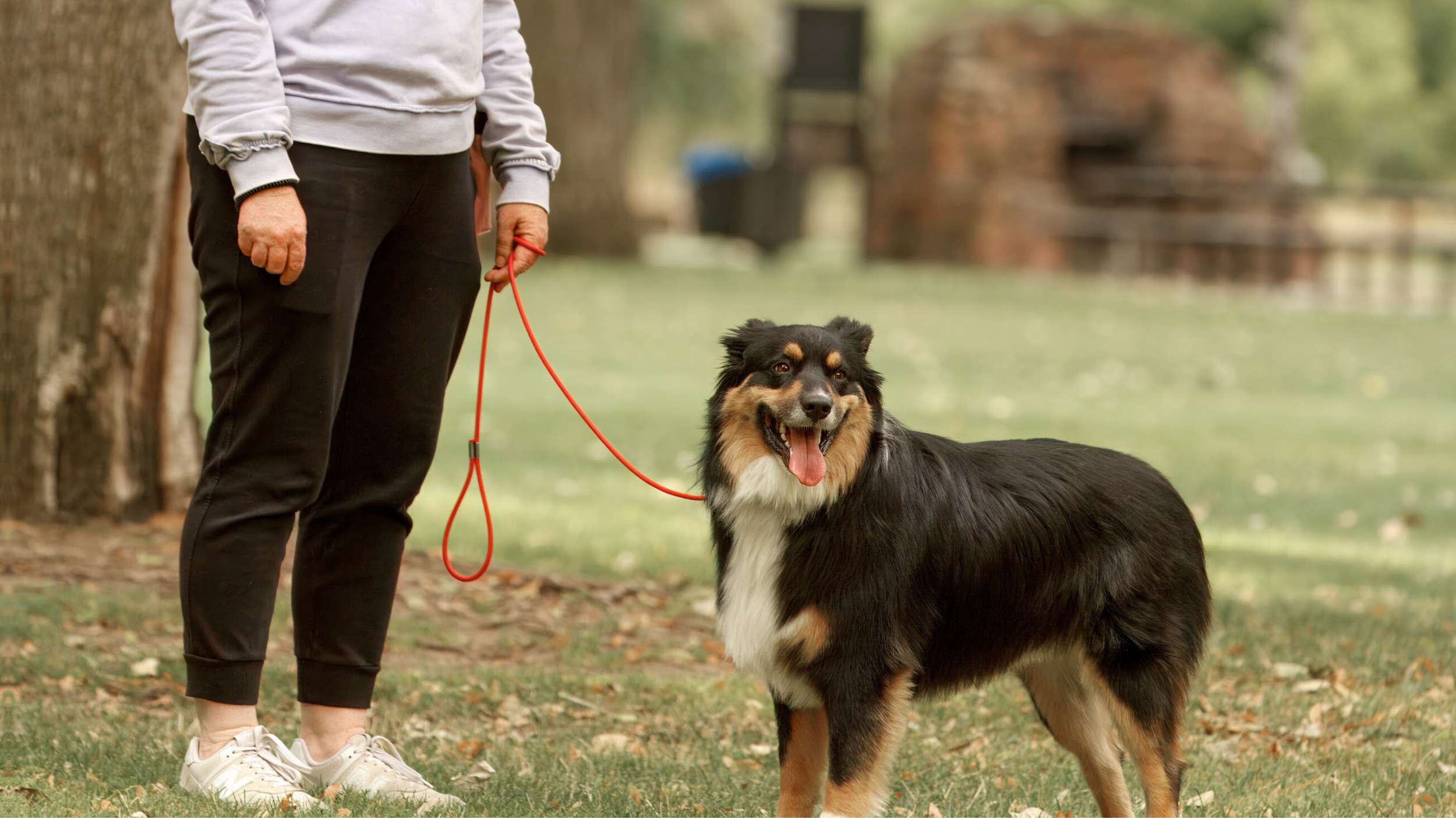
Leash reactivity can range from mild frustration to intense emotional responses.
Common signs include:
Pulling hard toward or away from stimuli
Barking or growling at dogs or people
Lunging or sudden directional changes
Freezing or refusing to move
Heightened arousal in busy environments
Difficulty disengaging once triggered
Some dogs react immediately when they see a trigger. Others build tension gradually until it spills over. Both indicate difficulty regulating under leash constraint.
Why Dogs Struggle on Leash
Walking on leash places unique emotional and physical demands on dogs.
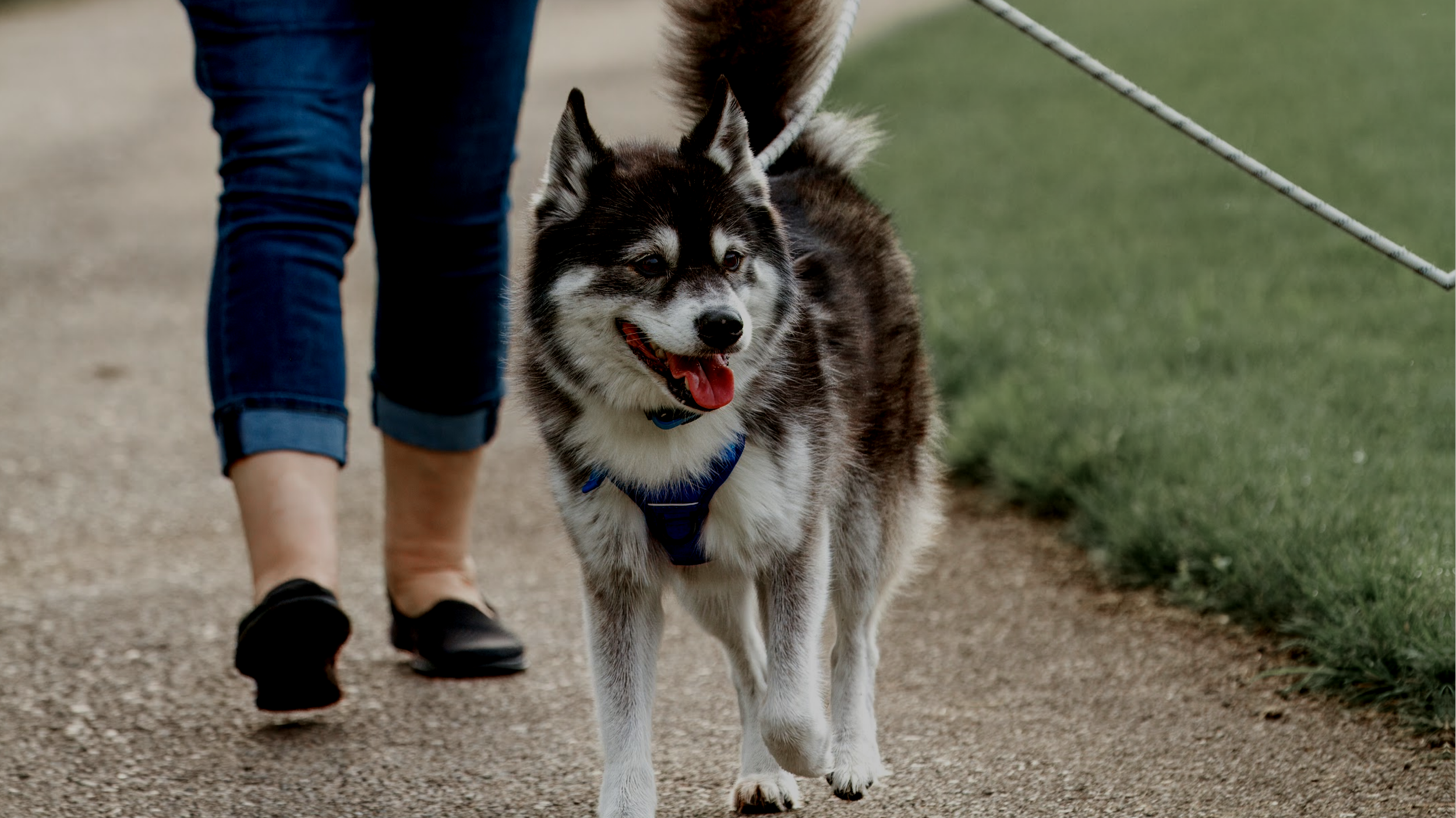
Leash Restriction
Leashes limit natural movement and choice. For some dogs, this restriction increases frustration or fear.
Environmental Intensity
Sidewalks, trails, and neighborhoods are full of unpredictable stimuli. Dogs must process these while staying connected to their handler.
Nervous System Load
Dogs already carrying stress from earlier in the day may react more intensely on walks as their capacity decreases.
Learned Patterns
Repeated stressful walks can teach dogs to anticipate difficulty, increasing arousal before anything even happens.
Unclear Communication
Inconsistent leash handling or unclear expectations can add confusion and tension.
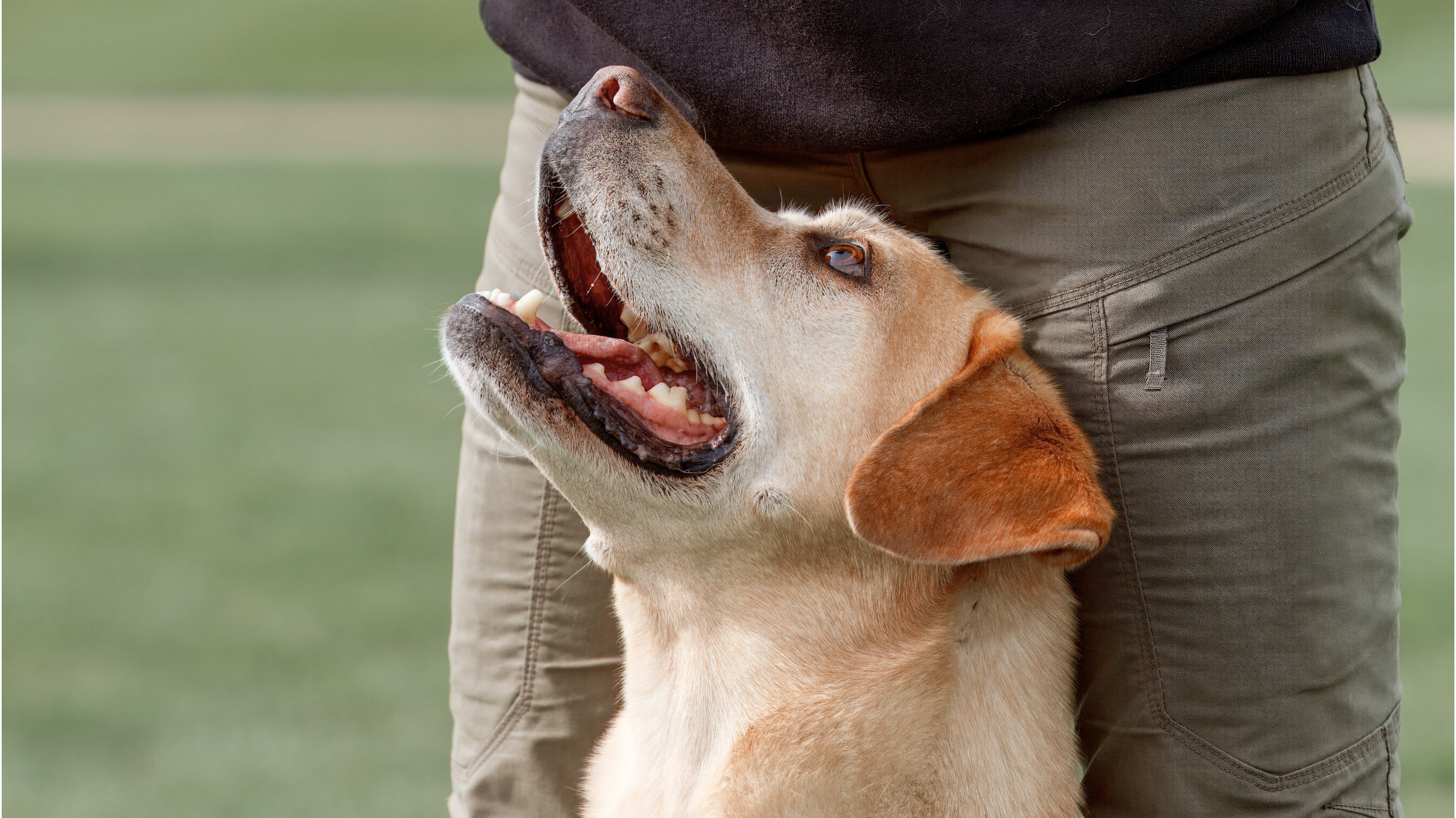
Why Common Walking Advice Often Fails
Leash issues are often addressed with advice focused on control rather than understanding.
Suggestions like “just keep walking,” “correct the pulling,” or “tire them out first” may suppress behavior temporarily, but they rarely change how the dog feels on leash.
When emotional load remains high:
Pulling returns
Reactivity escalates
Walks become unpredictable
Without addressing regulation, leash skills remain fragile.
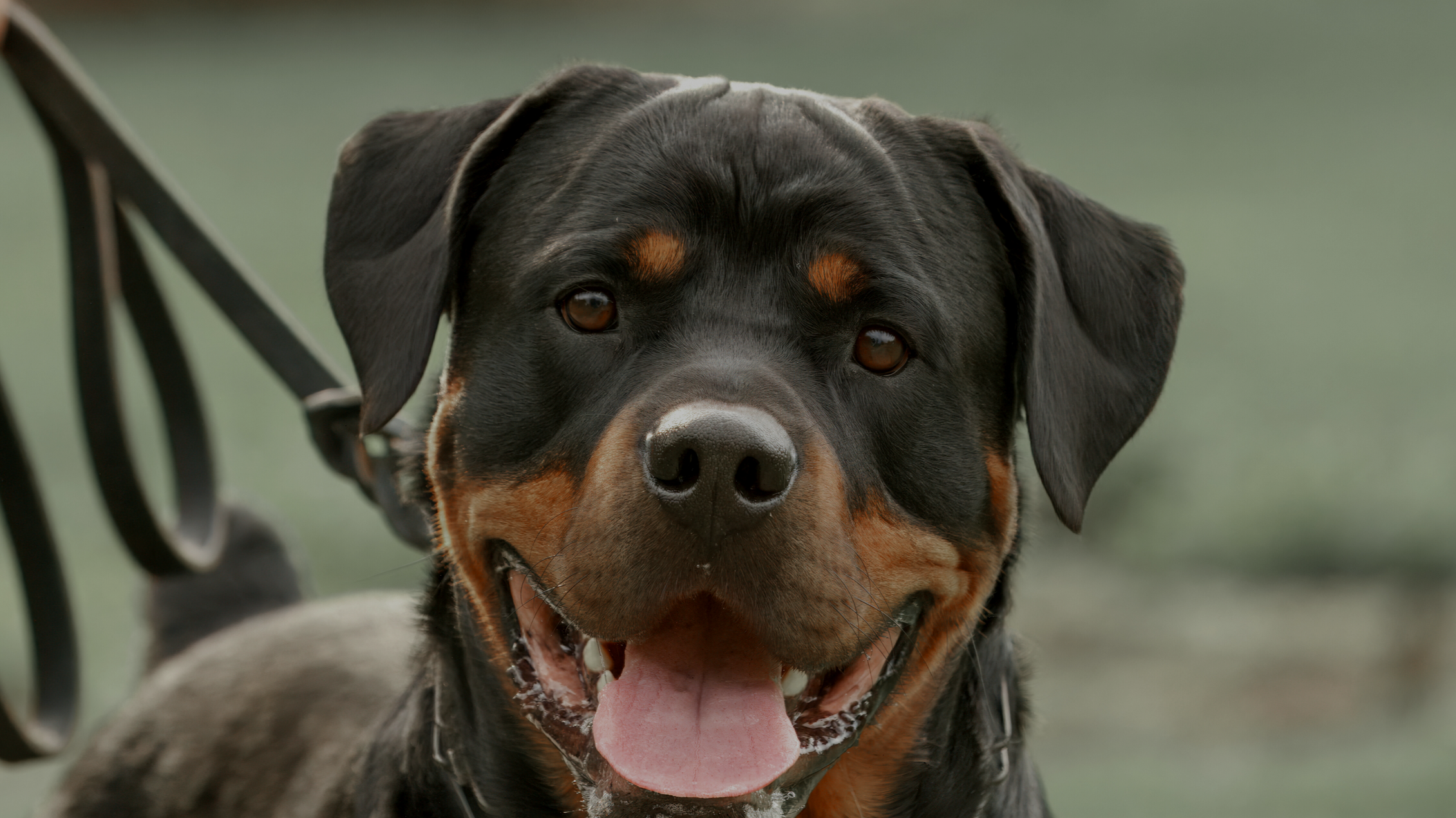
What Helps Dogs Improve on Leash
Calmer walks are built by supporting the dog’s ability to stay regulated and connected.
Helpful elements often include:
Slower, intentional walking practice
Reduced environmental pressure at first
Clear leash handling and communication
Teaching disengagement and recovery
Meeting fulfillment needs outside of walks
Gradual exposure to busier environments
Walks improve when dogs feel guided rather than restrained.

How Behavior-Focused Training Supports Leash Skills
Behavior-focused training addresses the emotional state driving leash behavior.
At Scentsible K9 Training, leash support emphasizes:
Regulation before adding difficulty
Teaching dogs how to recover after triggers
Building connection under distraction
Helping owners recognize early tension
This approach creates walking skills that hold up beyond quiet streets.
🔗 Learn more about our philosophy:
→ Behavior-First Dog Training
🔗 Explore one-on-one support:
→ Private Dog Training
What Progress Looks Like Over Time
Leash progress is measured in stability, not perfection.
Signs of improvement often include:
Reduced pulling intensity
Faster recovery after seeing triggers
Improved focus on the handler
Greater predictability during walks
Ability to handle busier environments gradually
These changes reflect improved regulation and communication.
FAQs: Training for Under-Fulfilled Dogs
Is leash reactivity the same as general reactivity?
1
Leash reactivity is a specific context. Many dogs struggle more on leash due to restriction and environmental pressure.
Can leash issues improve without equipment changes?
2
Yes. Equipment may help management, but behavior change comes from addressing stress and communication.
Should reactive dogs avoid walks?
3
Avoidance alone doesn’t solve leash issues. Walks may need to be adjusted, not eliminated.
How long does it take to see improvement?
4
Progress depends on stress history, consistency, and environment. Improvements are gradual.
Do pack walks help leash reactivity?
5
When structured and guided, pack walks can support neutrality and confidence.