Better behavior starts with a calmer dog.
What to Expect From Dog Training
When dogs feel overwhelmed, they can’t listen, learn, or respond.
We help dogs find regulation first — so behavior finally improves.
Not sure what your dog needs? Take the Behavior Quiz!
Not sure what your dog needs? Take the Behavior Quiz!
Learn what to expect from dog training, including the process, pacing, and progress when working with behavior-focused training.
Better behavior starts with a calmer dog.
Better behavior starts with a calmer dog.
When your dog reacts, it can feel overwhelming & embarrassing.
We understand how stressful that is.
What to Expect From Dog Training
Many dog owners know they need help — but feel unsure about what dog training actually involves. Questions about the process, expectations, and outcomes often create hesitation before reaching out.
This page explains what dog training typically looks like when approached from a behavior-focused perspective, how progress unfolds over time, and what owners can expect from the process. The goal is transparency, clarity, and realistic expectations.
Dog Training Is a Partnership
Dog training is not something done to a dog. It is something built collaboratively between the dog, the owner, and the trainer.
Effective training depends on:
Clear communication
Consistent expectations
Owner involvement
Understanding the dog’s emotional state
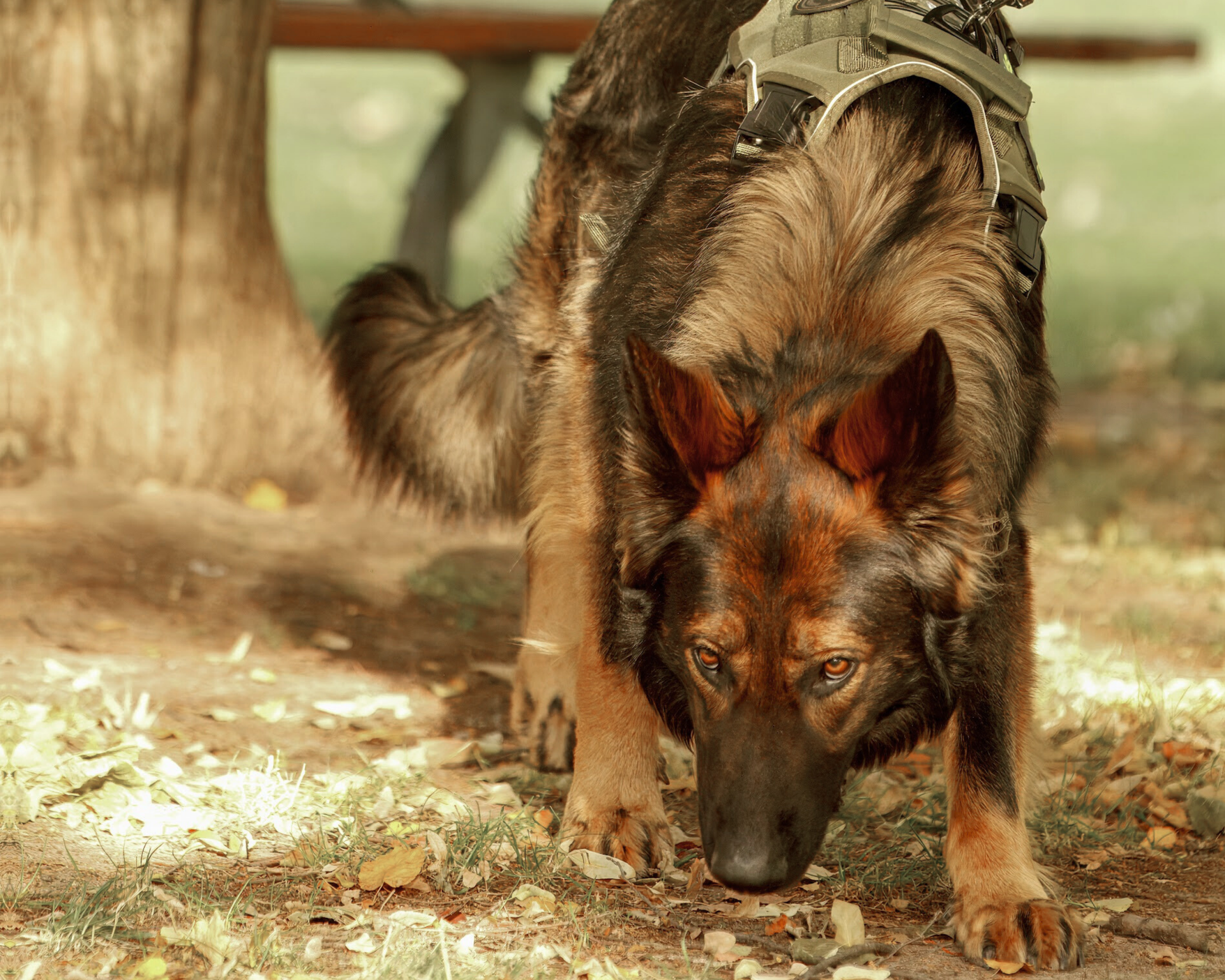
When owners are supported and educated, progress becomes more sustainable.
What the Training Process Usually Includes
While every dog’s plan is individualized, most behavior-focused training follows a similar structure.
Common elements include:
Observation and assessment
Identifying behavior drivers
Environmental setup and adjustments
Skill-building at an appropriate pace
Owner coaching and guidance
Homework and between-session practice
Training adapts over time based on how the dog responds.
Regulation Comes First
Dogs must be regulated enough to learn. When stress is high, progress slows.
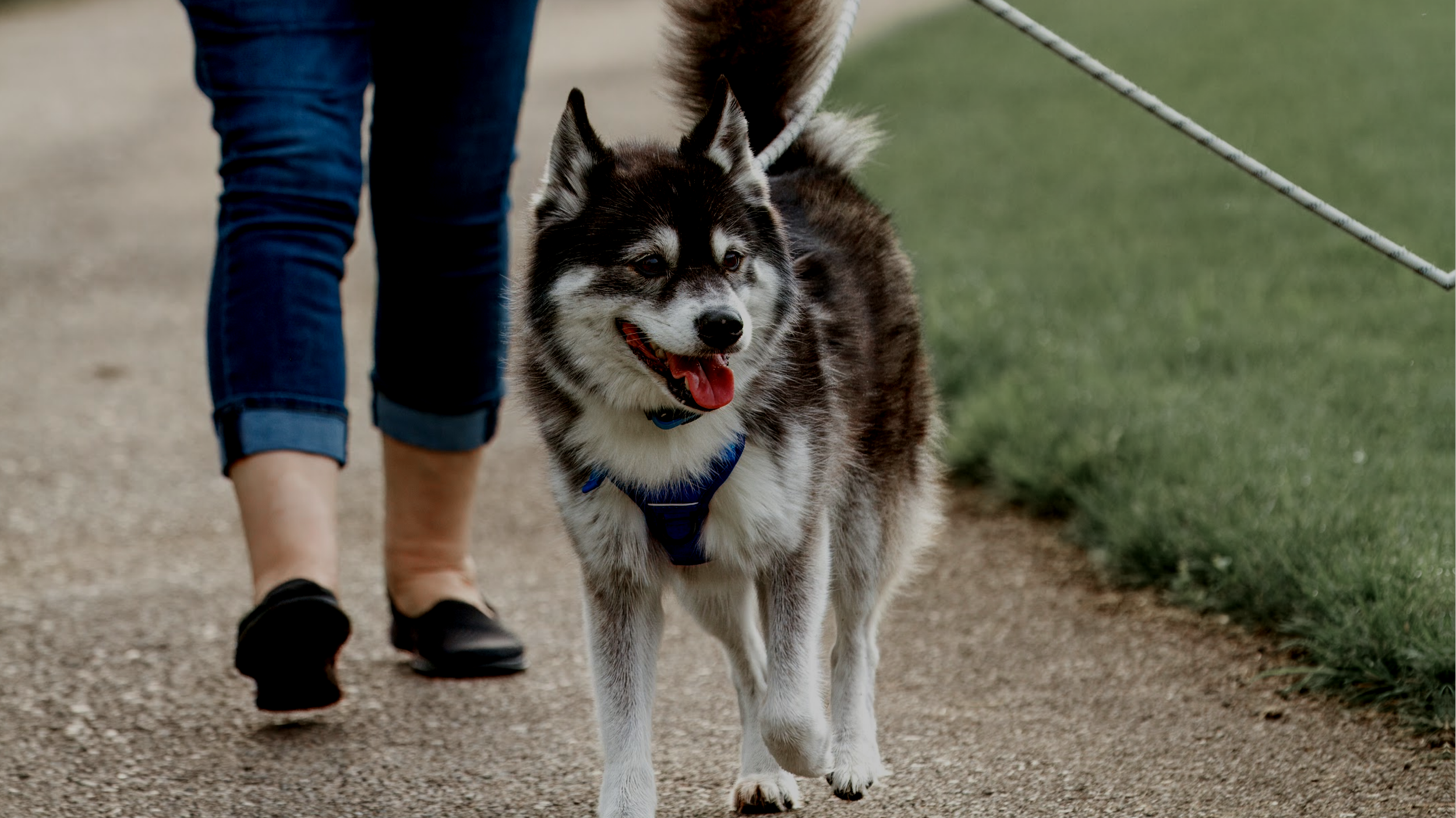
Gradual Progression
Difficulty is added in small steps so dogs can succeed without becoming overwhelmed.
Recovery Is Part of Learning
Training includes space for rest, processing, and recovery — not constant challenge.
Why Training Pace Matters
Progress is influenced by emotional capacity, not motivation or intelligence.
Rushing the process often leads to setbacks.
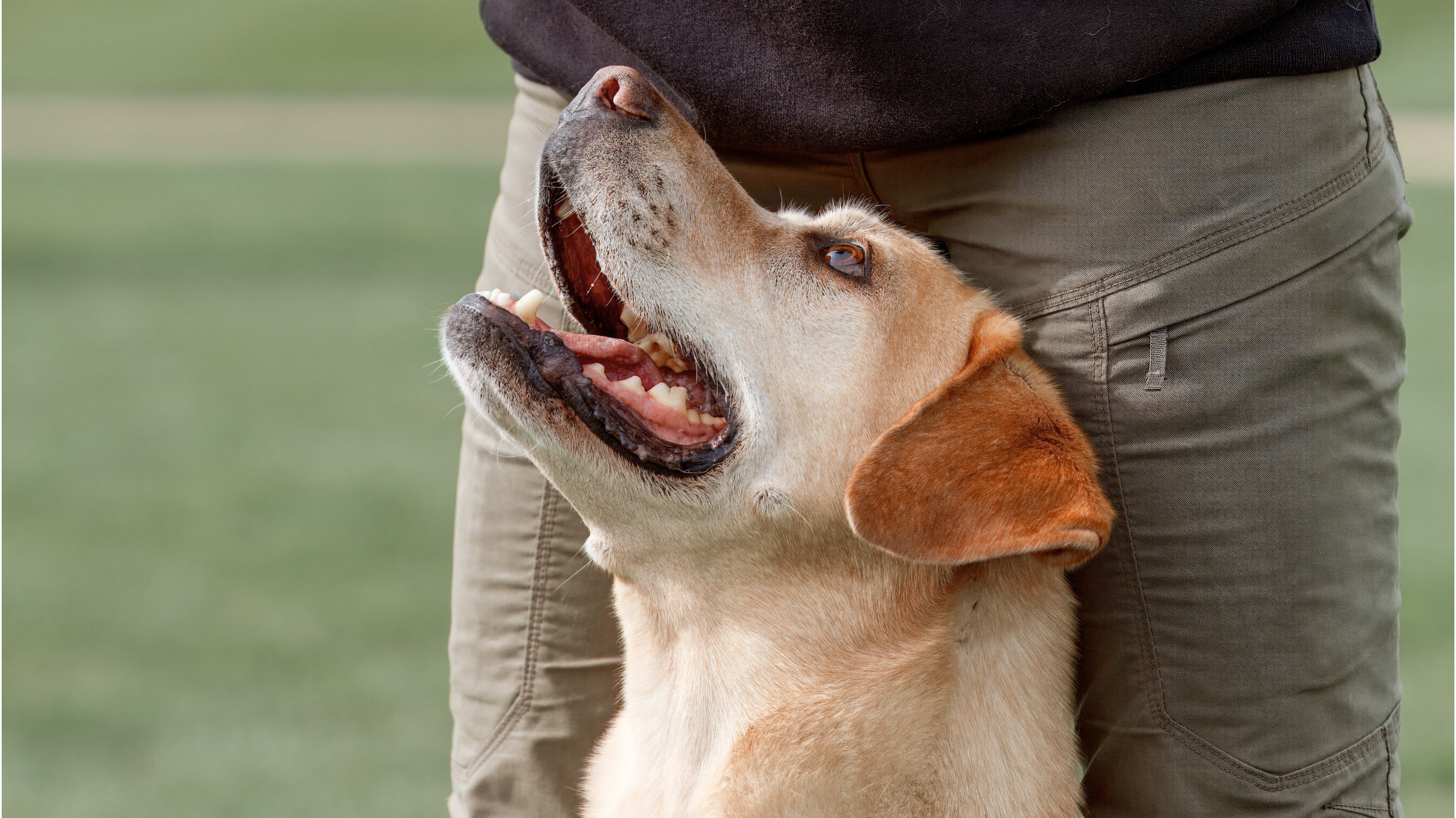
What Owners Often Notice Early On
Early progress is usually subtle.
Common early wins include:
Shorter reactions
Reduced recovery time
Less anticipation of stress
Improved focus in familiar environments
Increased willingness to engage
These shifts signal growing regulation and capacity.
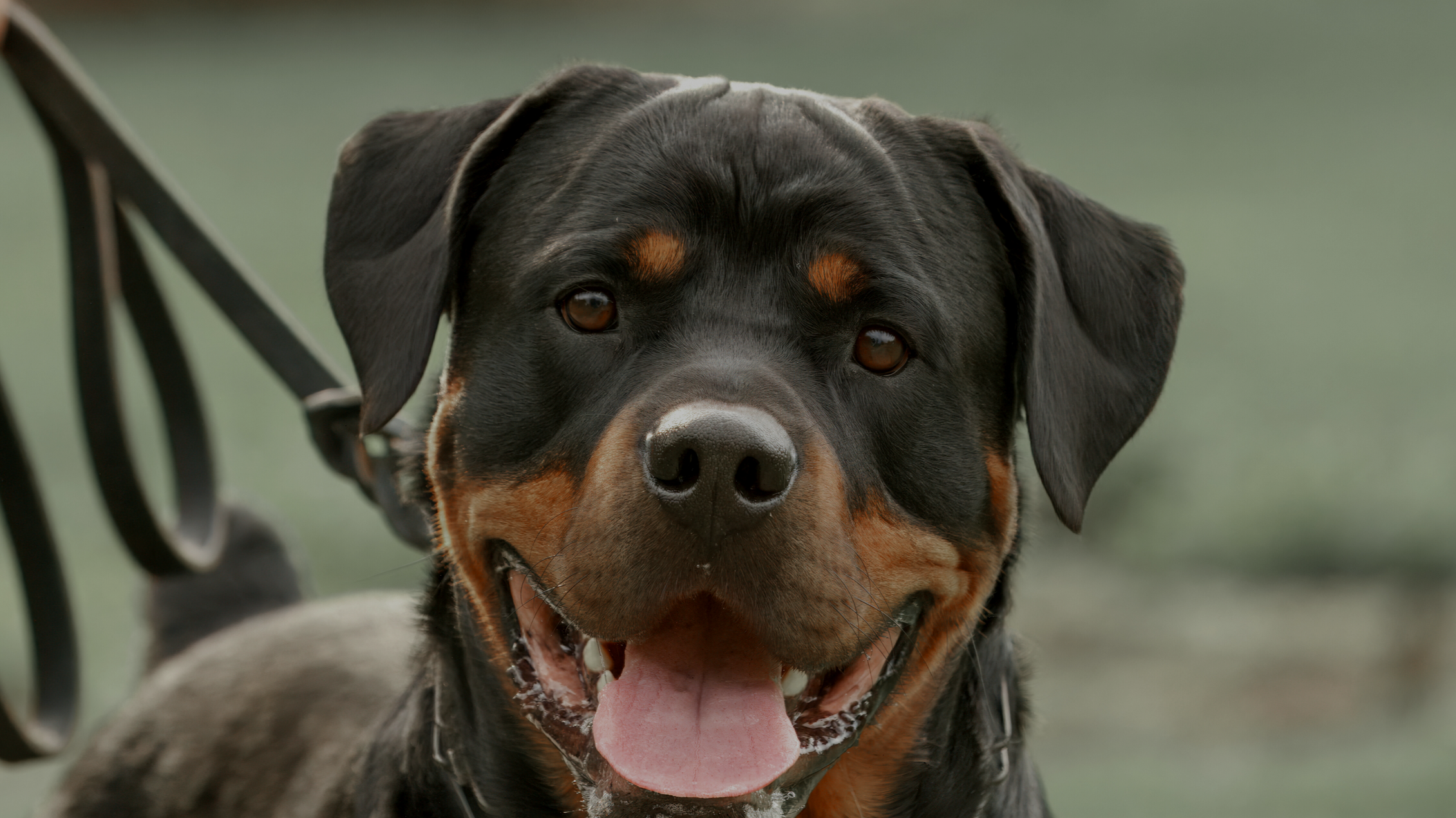
What Training Does Not Look Like
Understanding what to expect also means understanding what training isn’t.
Behavior-focused training does not rely on:
Quick fixes
Constant correction
Forcing compliance
Ignoring emotional state
One-size-fits-all solutions
Instead, training is adjusted based on the dog’s needs and responses.

How Behavior-Focused Training Supports Long-Term Success
Behavior-focused training prioritizes emotional readiness alongside skill development.
At Scentsible K9 Training, training emphasizes:
Regulation before expectation
Clear, consistent communication
Owner education and confidence
Real-world application of skills
Long-term sustainability
This approach helps behavior hold up outside of controlled settings.
🔗 Learn more about this approach:
→ Behavior-First Dog Training
🔗 Explore support for reactivity:
→ Reactive Dog Training
🔗 Explore anxiety-focused training:
→ Anxiety & Fear-Based Dog Training
What Progress Looks Like Over Time
Progress is not linear.
Over time, many owners notice:
Fewer emotional escalations
Increased ability to handle new situations
Improved focus and engagement
Stronger dog–owner relationship
Greater confidence on both ends of the leash
Training supports growth, not perfection.
Frequently Asked Questions
How many sessions will my dog need?
The number varies based on behavior history, goals, and consistency.
1
Will training work if I’ve tried before?
2
Yes. Many dogs benefit when training is adjusted to support emotional regulation.
Do I need to practice between sessions?
Yes. Owner involvement is essential for lasting progress.
3
Is training stressful for dogs?
4
When paced correctly, training should reduce stress over time, not increase it.