TRAINING SHOULD
BE FUN.
THIS CLASS
MAKES SURE IT IS.
A 6-week group class that gives your dog a job. Real mental work for a dog carrying more energy and more brain than the day is using up.
A lot of training feels like work. Commands, corrections, repetition.
It gets the job done, but it can start to feel like a chore for you and your dog both. Tricks training flips that. Your dog is engaged, motivated, and having a great time. And without even trying, you are sharpening your timing, your communication, and your reading of your dog.
A JOB, AN OUTLET,
AND A GREAT TIME
Tricks Class is not about ribbons. It is about giving a dog something real to do. Every week your dog gets a task to solve, and solving it takes focus, patience and thinking. That is the part that actually settles a busy dog, and it is the part most dogs never get.
Every class also includes basic canine fitness exercises (stability, balance, flexibility, and body awareness) that benefit every dog regardless of age or breed.
This class is right for you if:- You want training that feels like play
- Your dog is bright, busy, and gets into things when bored
- Your dog has more energy than the day is using up
- You are looking for a fun follow-up after Fundamental Obedience
WHAT YOU WILL
WORK ON
Each week your dog gets a new task to work out, building on the one before it. By the final class your dog has a set of skills they can perform confidently, and you have a routine you can keep running at home.
Class is capped at three dogs. Two dogs work at a time while the other rests, crated in our crates or in your car. Every dog gets focused working time and a chance to demonstrate what they have learned.
Each week builds on the previous one. Tricks get more complex and your handling gets sharper. By week six your dog will be performing confidently and consistently.
Your dog strings the whole set together and holds it under real distraction. You leave with a routine you can keep running at home, which is what makes the calm last past week six.
Every session includes basic canine fitness exercises: stability, balance, flexibility, and body awareness. These benefit every dog regardless of age, size, or breed.
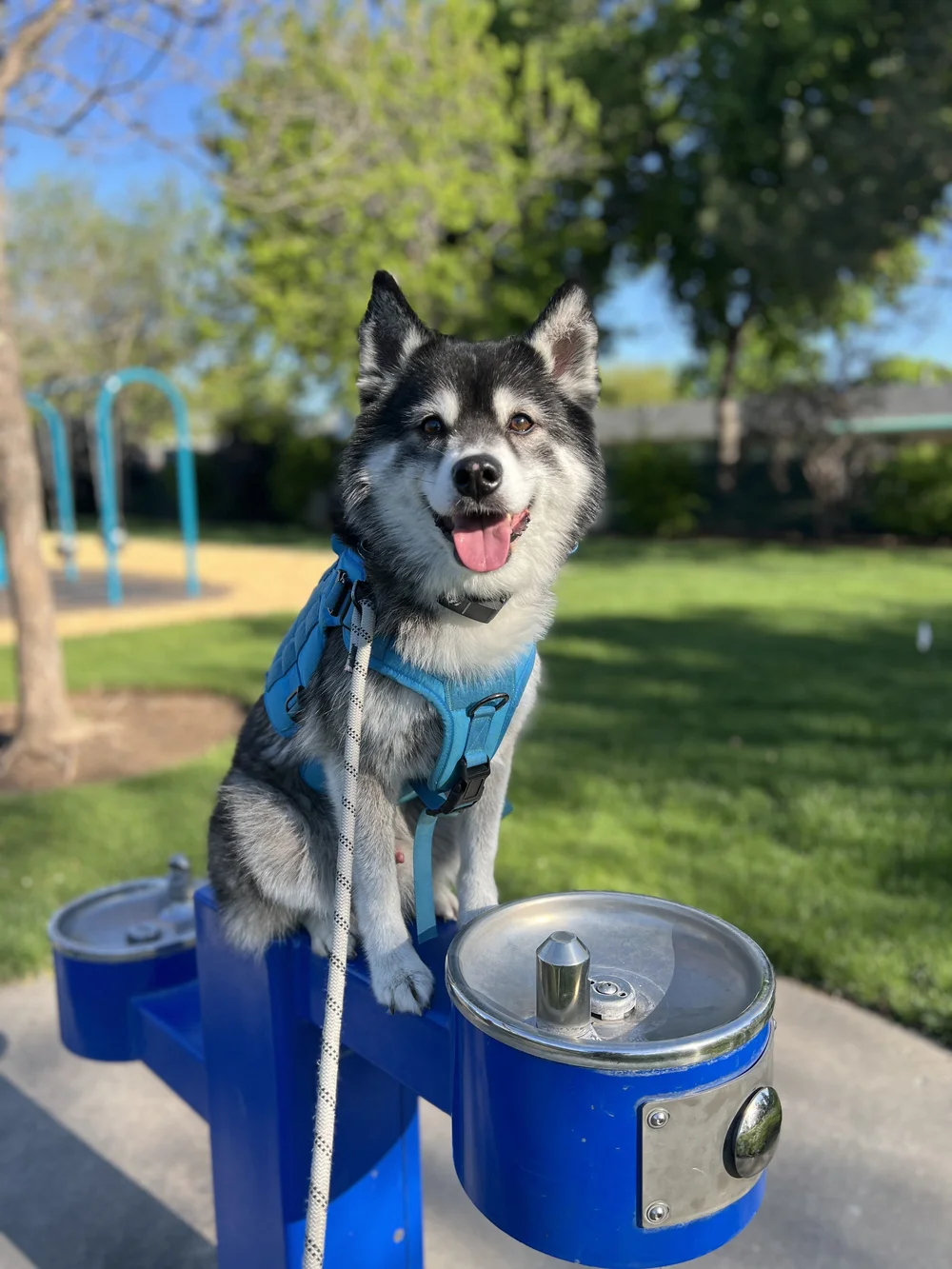
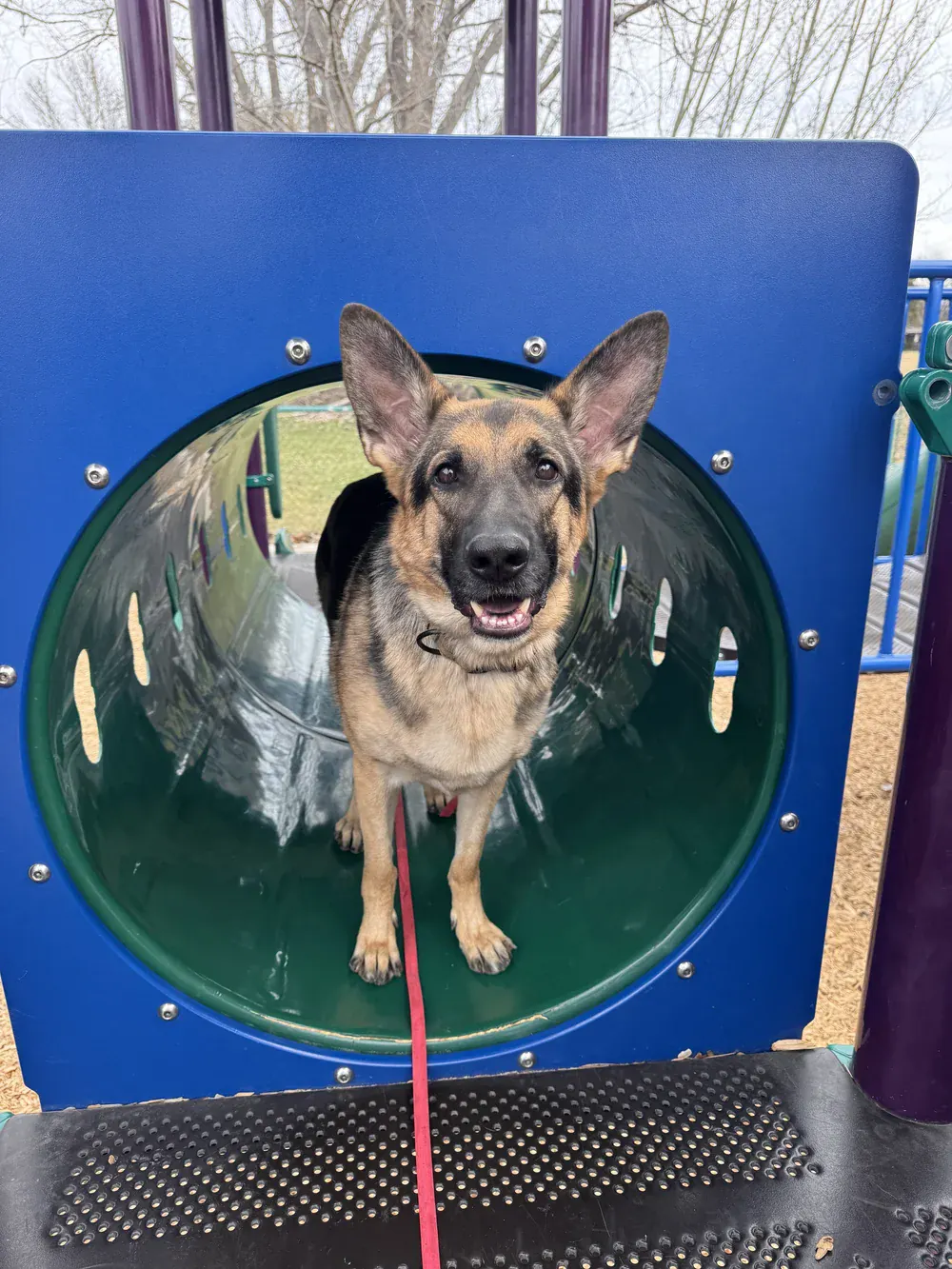
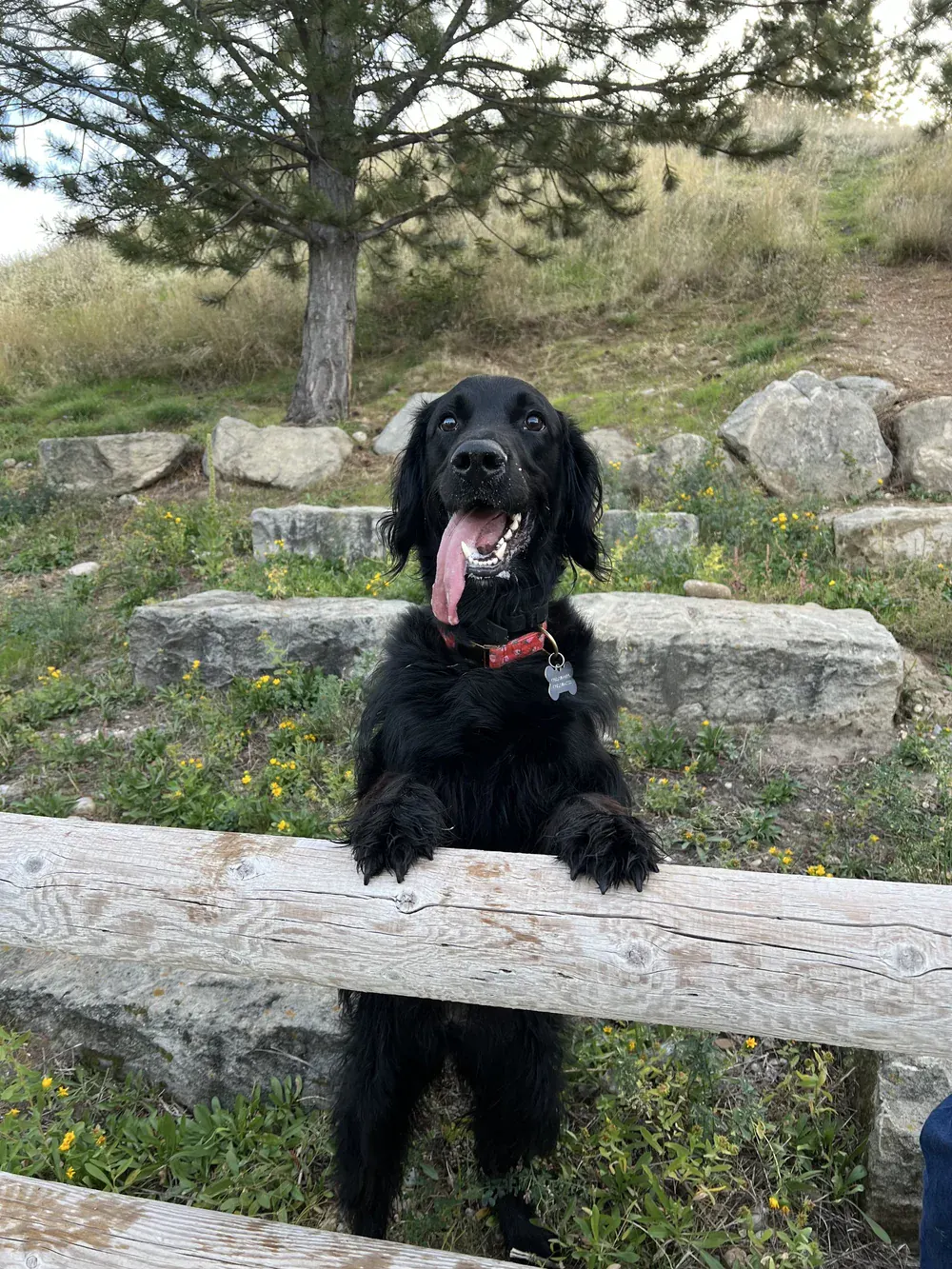
A DOG WITH A JOB
IS A DIFFERENT DOG.
Most dogs are not badly behaved. They are unemployed. A dog bred to work, given nothing to work on, will go find a job you did not assign. Here is what six weeks of real work changes.
The energy does not disappear on a longer walk. It needs a task. Thinking tires a dog in a way that running does not.
Your dog learns to stay on one thing while the room is busy. That is the same skill you want on a leash.
Work, then rest. Repeated for six weeks, that rhythm is what teaches a wound-up dog how to actually settle.
Stability, balance and flexibility work in every class. Your dog learns where their feet are, which builds real physical confidence.
Your timing and your reading of your dog get sharper without it ever feeling like drilling.

A dog with a jobis a different dog.
SIX WEEKS.
A REAL JOB.
A SETTLED DOG.
Training that feels like play, and a dog who finally has something to do.