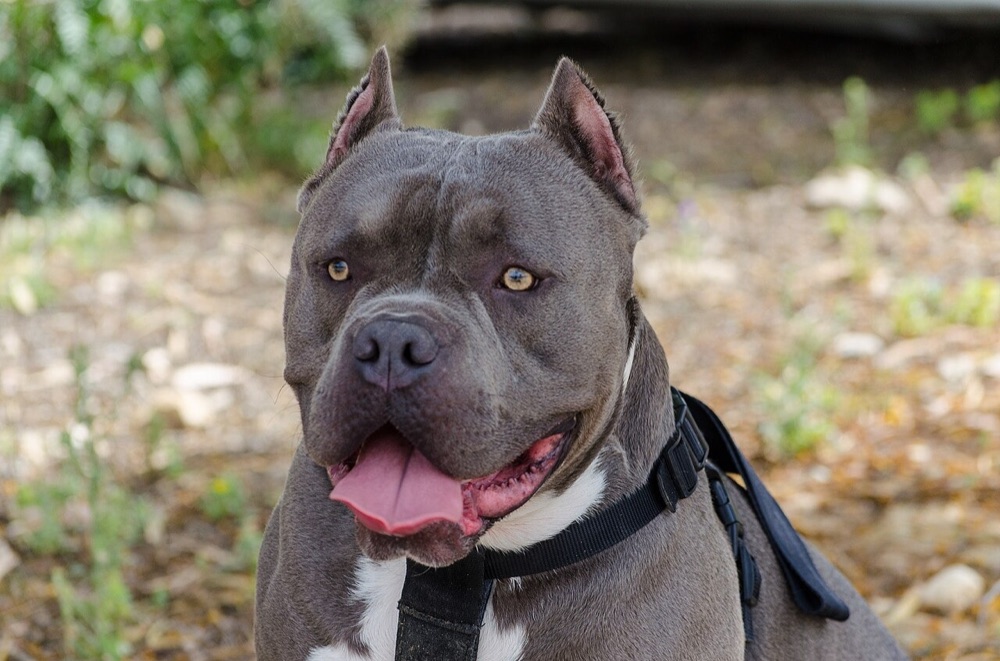

Where the American Bully came from
The American Bully is a modern breed from the United States. They were developed starting in the 1980s, and the final look was mostly set in the 1990s. Breeders began with the American Pit Bull Terrier. The United Kennel Club says other breeds were added to get a thicker, more muscular build, including the American Bulldog, English Bulldog and Olde English Bulldogge.
The goal was a companion dog with a calmer, more people friendly nature than the older bull-and-terrier dogs. The American Bully Kennel Club first recognized the breed in 2004. The United Kennel Club recognized it on July 15, 2013.
The American Bully is not recognized by the AKC. The ABKC lists several sizes: Pocket, Standard, Classic and XL. The UKC has one standard size. Some countries restrict or ban the breed, including the United Kingdom, which banned the XL Bully type. Check local rules and rental policies.
- 1980s Breeders begin developing the American Bully from the American Pit Bull Terrier
- 2004 The American Bully Kennel Club first recognizes the breed
- 2013 The United Kennel Club recognizes the American Bully
The job an American Bully was bred for
The American Bully was made to be a companion, not a worker. They were selected for a thick body and a friendly, people loving nature. At home that shows up as a goofy, strong dog who loves attention, leans on you, plays hard and can pull on leash. Some may be selective with other dogs.
What you may see at home
Goofy, strong, loves attention, plays hard, can pull on leash.
Give them: Tug with rules, weight pull, scent work, and careful dog to dog introductions.
Sports that fit an American Bully
- Weight pull. The UKC holds weight pull events, and the breed's power suits it
- Scent work. A calm, rewarding job for a thick-bodied dog
- Rally. Good for a people loving dog who wants to work with you
- Obedience. Builds manners for a strong dog
- Trick dog. Short food-based games
Training tips for an American Bully
- Teach loose leash walking early with a front clip harness. They are strong pullers.
- Reward four paws on the floor for greetings. They love people and can jump up.
- Plan calm, controlled introductions to other dogs, and never force a meeting.
- Use food and play, with tug games that have rules. They love attention and want to please.
Body and health
Heavy, thick bodies can strain joints, so keep them lean. Short faced dogs overheat easily, so exercise in the cool hours. Large heads and wide chests can also make breathing and heat harder.
Fun fact. The UKC recognized the American Bully on July 15, 2013, with one standard size.
Breed is where we start
A study of more than 18,000 dogs found breed explains only about 9 percent of the differences in behavior between dogs (Morrill and others, Science, 2022). So your American Bully is a starting guess, not a label. We find the drive your dog actually runs on, give it a job, and teach you to read them.
Free tools for your dog
- Breed drive calculatorMixed breed? Add the other breeds and see the drives your dog was bred with.
- Dog breed quizTen photos, four names each. The same quiz our trainers take.
- Dog drive testAnswer everyday moments and find the job your dog runs on.
Looking for a different breed? See what 137 breeds were bred to do, and download any of their guides.