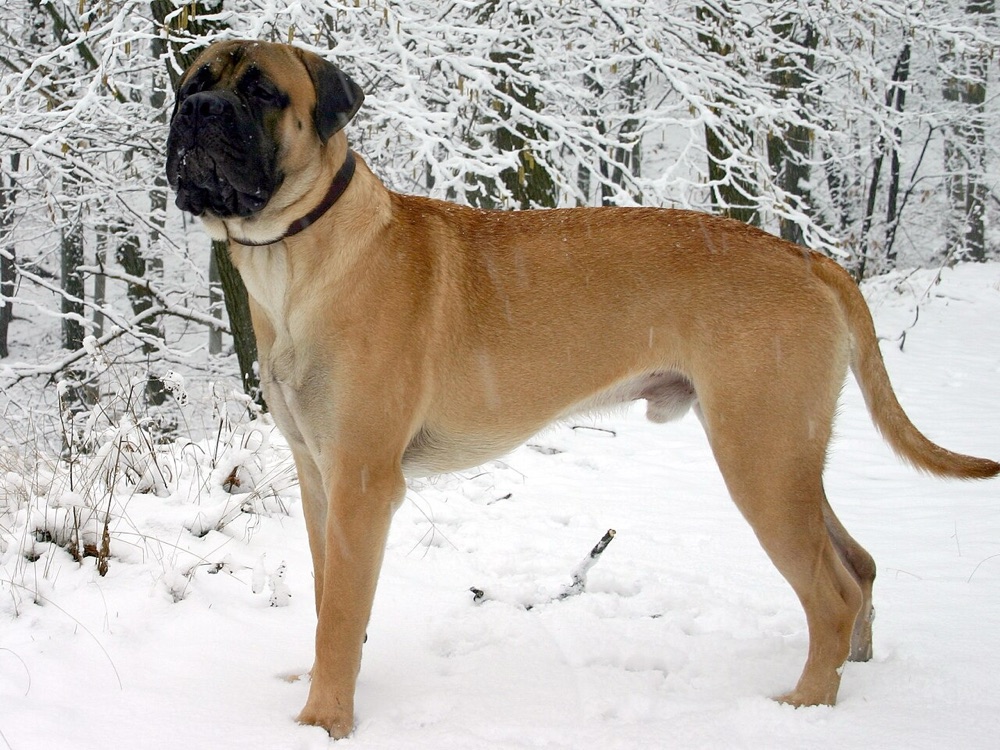

Where the Bullmastiff came from
The Bullmastiff comes from England. In the 1800s, gamekeepers on big estates needed a dog that could stop poachers at night. One common account says breeders crossed the Mastiff with the Old English Bulldog, to get the size of one and the speed and grit of the other. The result was called the Gamekeeper's Night Dog.
The dogs are said to have been trained to knock down an intruder and hold them until the keeper arrived, not to bite. The cross was in wide use by the early 1900s. The Kennel Club in Britain recognized the Bullmastiff as a breed in 1924, and a dog had to have four generations of Bullmastiff parents to be registered.
The AKC recognized the Bullmastiff in 1934. Today most are calm family dogs who still watch over their home. They are big, strong and usually quiet, and they can be stubborn and protective.
- 1924 The Kennel Club in Britain recognizes the Bullmastiff as a breed
- 1928 De Beers is reported to import Bullmastiffs to guard diamond mines in South Africa
- 1934 AKC recognizes the Bullmastiff
- 1955 The FCI gives the breed full acceptance
The job a Bullmastiff was bred for
A gamekeeper's night dog worked in the dark, alone with one keeper. The job was to find an intruder, stop them and hold them without harm. That is why many Bullmastiffs are quiet and watchful, slow to bark, and likely to lean on or body block a stranger. They guard by presence, not by noise.
What you may see at home
Calm, quiet, leans on you, guards by presence, stubborn.
Give them: Short walks, scent work, food games, and handling practice early.
Sports that fit a Bullmastiff
- Rally. Steady, calm teamwork with the handler
- Scent work. A low impact job that suits a big, slow-moving dog
- Obedience. Good manners are the main goal for a dog this strong
- Carting. A strong dog can pull a cart with the right training and gear
- Trick dog. Short food-based games build focus and confidence
Training tips for a Bullmastiff
- Socialize early with many people, places and calm dogs, and reward relaxed greetings.
- Teach a polite greeting: all four paws on the floor before attention. Start when they are small, since they get big fast.
- Keep sessions short and upbeat with food. Harsh or boring training makes this breed dig in and go slow.
- Practice handling feet, ears, mouth and collar with treats so vet visits and grooming are easy.
Body and health
Deep chest, so bloat is a concern: feed smaller meals and rest after eating. Large breeds can have hip and elbow problems, so keep puppies lean and avoid hard jumping. They also overheat in warm weather, so exercise in the cool hours.
Fun fact. To be registered by the Kennel Club in 1924, a Bullmastiff had to have four generations of Bullmastiff parents, with no new Bulldog or Mastiff blood.
Breed is where we start
A study of more than 18,000 dogs found breed explains only about 9 percent of the differences in behavior between dogs (Morrill and others, Science, 2022). So your Bullmastiff is a starting guess, not a label. We find the drive your dog actually runs on, give it a job, and teach you to read them.
Free tools for your dog
- Breed drive calculatorMixed breed? Add the other breeds and see the drives your dog was bred with.
- Dog breed quizTen photos, four names each. The same quiz our trainers take.
- Dog drive testAnswer everyday moments and find the job your dog runs on.
Looking for a different breed? See what 137 breeds were bred to do, and download any of their guides.