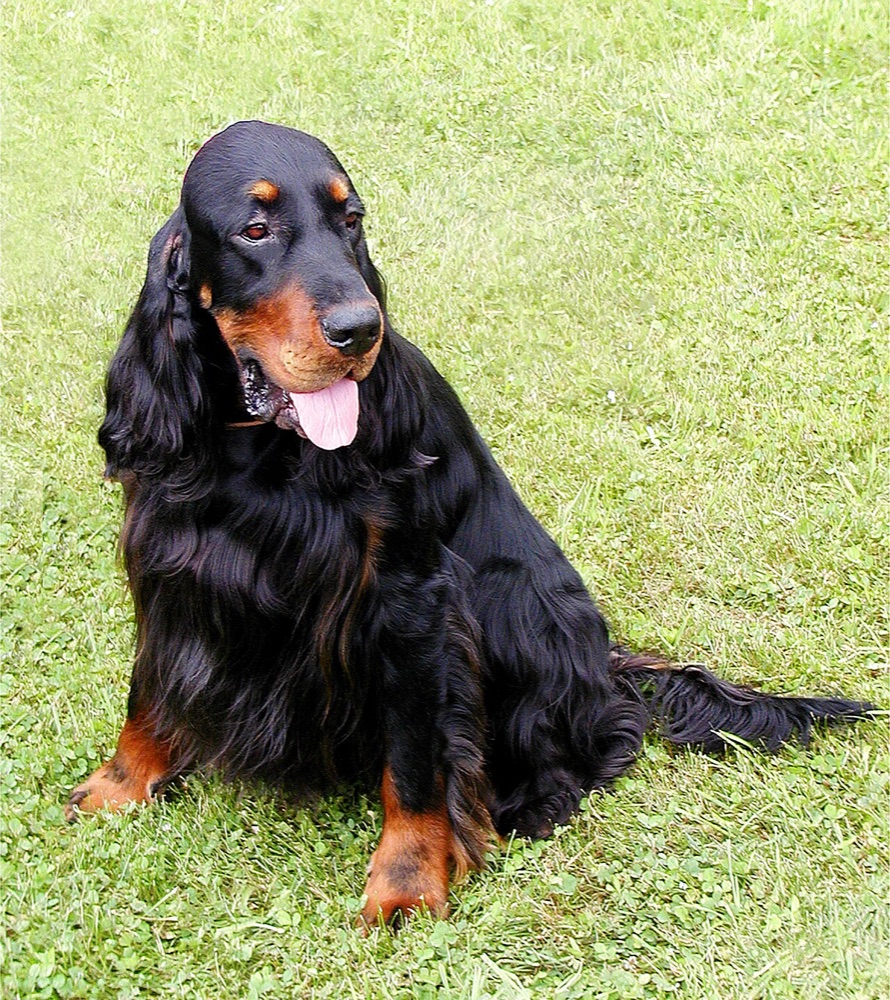

Where the Gordon Setter came from
The Gordon Setter is a Scottish bird dog. Hunters there needed a steady dog that could work rough moors for grouse and other birds. The breed was once called the black and tan setter, and it is the heaviest of the setter breeds.
The name comes from Alexander Gordon, the 4th Duke of Gordon (1743 to 1827), who kept setters at Gordon Castle. The Kennel Club in Britain applied the name Gordon Setter to the breed in 1924. Dogs from the Duke's kennel reached the United States in 1842, when George Blunt and statesman Daniel Webster bought two named Rake and Rachel.
The AKC recognized the Gordon Setter in 1878. Today they are loyal family dogs and bird dogs. They are known for being slow to mature.
- 1842 George Blunt and Daniel Webster bring Gordon setters named Rake and Rachel to the United States
- 1878 AKC recognizes the Gordon Setter
- 1924 The Kennel Club in Britain applies the name Gordon Setter to the breed
The job a Gordon Setter was bred for
Gordons were built to work big, rough ground for hours and then hold a point. That is why many are strong, steady, and hard to turn once they catch a scent. They are loyal to their people and can be reserved with strangers.
What you may see at home
Loyal and sensitive, reserved with strangers, slow to mature, follows scents and ignores calls.
Give them: Long line sniff walks, scent work, socialization at a distance, and steady daily exercise.
Sports that fit a Gordon Setter
- Hunt tests. Original work: find and point upland birds
- Scent work. A calm, focused job for a big nose
- Fast CAT. A fun way to burn off run drive
- Tracking. Uses their scent skills and stamina
- Rally. Builds teamwork with a thoughtful, sensitive dog
Training tips for a Gordon Setter
- Be patient. Gordons mature slowly and can act like puppies for years.
- Use firm but gentle, reward based training. They are sensitive.
- Socialize early and often so reserve around strangers stays calm.
- Use a long line for recall practice, and avoid off-leash walks in unfenced areas.
Body and health
Large and deep chested, so bloat is a concern. Hip dysplasia and eye problems are known in the breed. Wait until at least 18 months for hard exercise like agility jumping.
Fun fact. Daniel Webster, the American statesman, helped bring the first Gordon setters to the United States in 1842.
Breed is where we start
A study of more than 18,000 dogs found breed explains only about 9 percent of the differences in behavior between dogs (Morrill and others, Science, 2022). So your Gordon Setter is a starting guess, not a label. We find the drive your dog actually runs on, give it a job, and teach you to read them.
Free tools for your dog
- Breed drive calculatorMixed breed? Add the other breeds and see the drives your dog was bred with.
- Dog breed quizTen photos, four names each. The same quiz our trainers take.
- Dog drive testAnswer everyday moments and find the job your dog runs on.
Looking for a different breed? See what 137 breeds were bred to do, and download any of their guides.