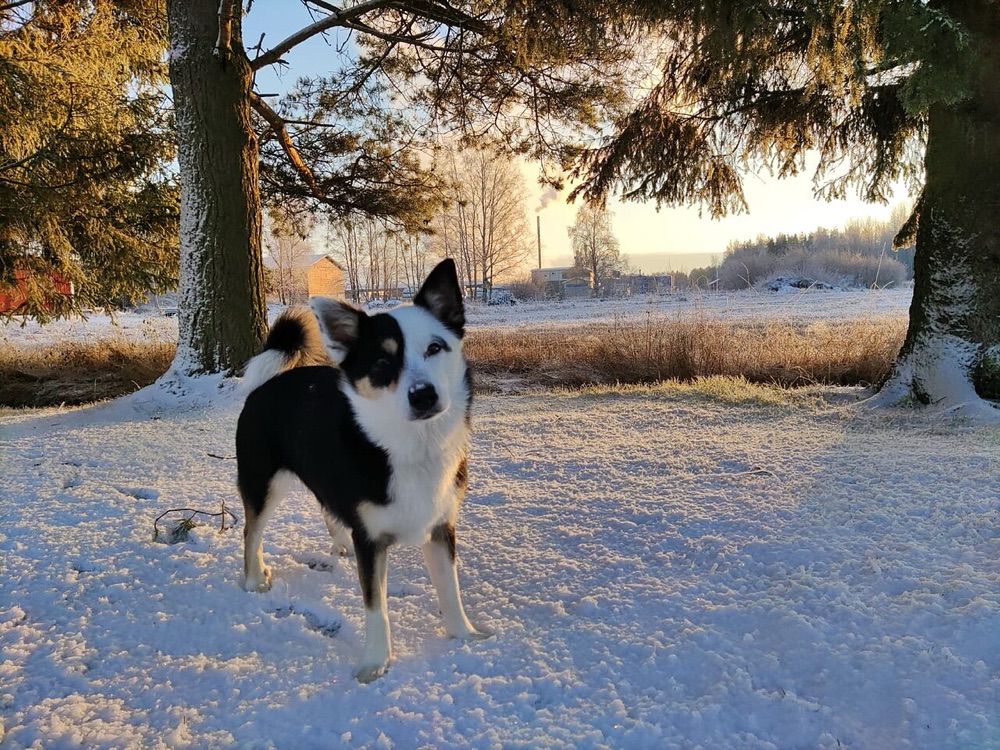

Where the Icelandic Sheepdog came from
The Icelandic Sheepdog is the only dog breed native to Iceland. They come from dogs that Viking settlers brought from 874 on. They are close cousins of the Norwegian Buhund and the Swedish Vallhund. They herded sheep and horses.
People in other countries knew the dog by the Middle Ages. An early description is from 1492. Shakespeare mentions an Iceland dog in Henry V, which is thought to date from about 1599. In the late 1800s, plague and distemper killed more than 75 percent of the breed.
The Icelandic Kennel Club formed in 1969, and the FCI accepted the breed in 1972. In 1994, the Icelandic parliament named the breed part of the country's cultural heritage. The AKC recognized the breed in 2010.
- 874 Viking settlers begin to bring dogs to Iceland
- 1969 The Icelandic Kennel Club is formed
- 1994 Iceland's parliament declares the breed part of its cultural heritage
- 2010 AKC recognizes the Icelandic Sheepdog
The job an Icelandic Sheepdog was bred for
A farm dog that gathered sheep and horses on rough, open land. Many Icelandic Sheepdogs bark to report what they see, which was useful on a farm. They are friendly and keen to be with people.
What you may see at home
Friendly, barky, herds people, sheds a lot, loves company.
Give them: A quiet cue, herding games or agility, and calm greetings.
Sports that fit an Icelandic Sheepdog
- Herding. The old job, and the breed still enjoys it
- Agility. Light, quick and keen
- Obedience. Friendly and happy to learn with rewards
- Rally. Fun, clear steps for a people-loving dog
- Scent work. Puts the voice and energy toward a quiet job
Training tips for an Icelandic Sheepdog
- Teach a quiet cue and reward it often. This breed barks to talk.
- Reward calm greetings. They like to herd and jump up.
- Keep training short and cheerful.
- Teach a settle on a mat for the times they want to watch everything.
Body and health
Small and sturdy. Hip dysplasia and some eye problems have been reported, so choose a breeder who health tests. The double coat sheds a lot and needs weekly brushing.
Fun fact. The Icelandic Sheepdog is the only dog breed native to Iceland.
Breed is where we start
A study of more than 18,000 dogs found breed explains only about 9 percent of the differences in behavior between dogs (Morrill and others, Science, 2022). So your Icelandic Sheepdog is a starting guess, not a label. We find the drive your dog actually runs on, give it a job, and teach you to read them.
Free tools for your dog
- Breed drive calculatorMixed breed? Add the other breeds and see the drives your dog was bred with.
- Dog breed quizTen photos, four names each. The same quiz our trainers take.
- Dog drive testAnswer everyday moments and find the job your dog runs on.
Looking for a different breed? See what 137 breeds were bred to do, and download any of their guides.