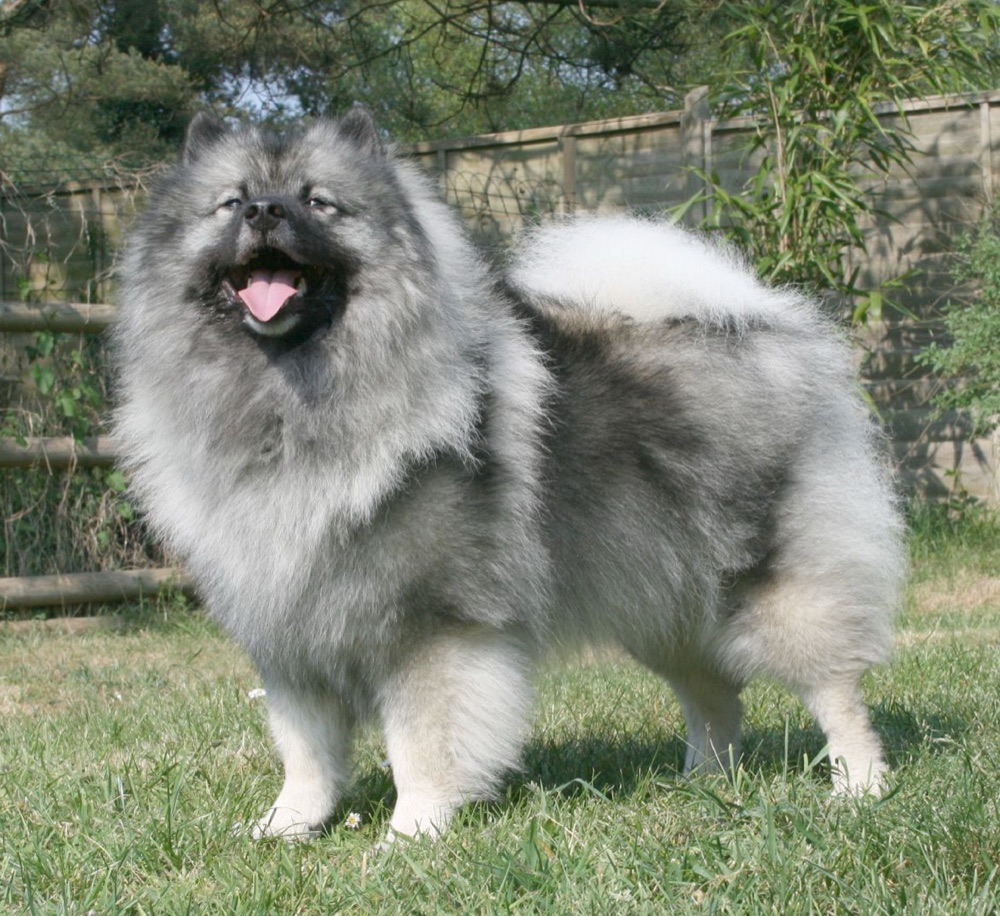

Where the Keeshond came from
The Keeshond is a spitz-type dog with a thick gray and black coat and a curled tail. It is named after Cornelis de Gyselaer, nicknamed Kees, a Dutch Patriot leader in the 1700s. The dog became a symbol of the Patriot side during a time of political unrest in the Netherlands. It was often seen on barges in the canals, so it was also called the Dutch Barge Dog.
After the Patriots lost, the breed almost vanished. In the 1920s a Dutch baroness named Van Hardenbroeck helped build it up again. The Dutch Barge Dog Club of England formed in 1925, and in 1926 the British Kennel Club accepted the breed and the name changed to Keeshond.
In 1930 a breeder named Carl Hinderer presented a champion to the president of the AKC, and the AKC accepted the breed that year. Today the Keeshond is a friendly, alert and people-loving family dog.
- 1880 A standard for the Wolfspitz is posted at a dog show in Berlin
- 1925 The Dutch Barge Dog Club of England forms
- 1926 The British Kennel Club accepts the breed and the name Keeshond
- 1930 AKC recognizes the Keeshond
The job a Keeshond was bred for
A companion and watchdog that rode on barges and farms in the Netherlands, warning people of strangers by barking. That is why many Keeshonds bark at new sounds, stay close to their people and do not like to be left alone. They are not guard dogs. They are friendly alarm bells.
What you may see at home
Alarm barker, shadows its people, hates being alone, fluffy and friendly, sheds heavily.
Give them: Tricks, rally or agility, quiet cue training, short alone time practice, and regular brushing.
Sports that fit a Keeshond
- Agility. Quick and happy, and they love to work with their people
- Obedience. Eager to please and good with food rewards
- Rally. Fun, relaxed pattern work for a team player
- Trick training. Smart and showy dogs that like an audience
- Therapy work. Their friendly nature suits visits with people
Training tips for a Keeshond
- Use food and praise. Keeshonden are eager to please and quick to learn.
- Teach a quiet cue early, since barking at sounds is part of the breed.
- Practice being alone in short steps. Many are very bonded and can get upset when left.
- Brush often and make grooming a calm, treat-filled habit.
Body and health
Thick double coat that sheds heavily, so brush often. Do not shave the coat, because it protects them from heat and cold. They can overheat in hot weather, and they gain weight easily.
Fun fact. The name Keeshond comes from Kees, a Dutch nickname for Cornelius, and the Dutch word for dog, hond.
Breed is where we start
A study of more than 18,000 dogs found breed explains only about 9 percent of the differences in behavior between dogs (Morrill and others, Science, 2022). So your Keeshond is a starting guess, not a label. We find the drive your dog actually runs on, give it a job, and teach you to read them.
Free tools for your dog
- Breed drive calculatorMixed breed? Add the other breeds and see the drives your dog was bred with.
- Dog breed quizTen photos, four names each. The same quiz our trainers take.
- Dog drive testAnswer everyday moments and find the job your dog runs on.
Looking for a different breed? See what 137 breeds were bred to do, and download any of their guides.