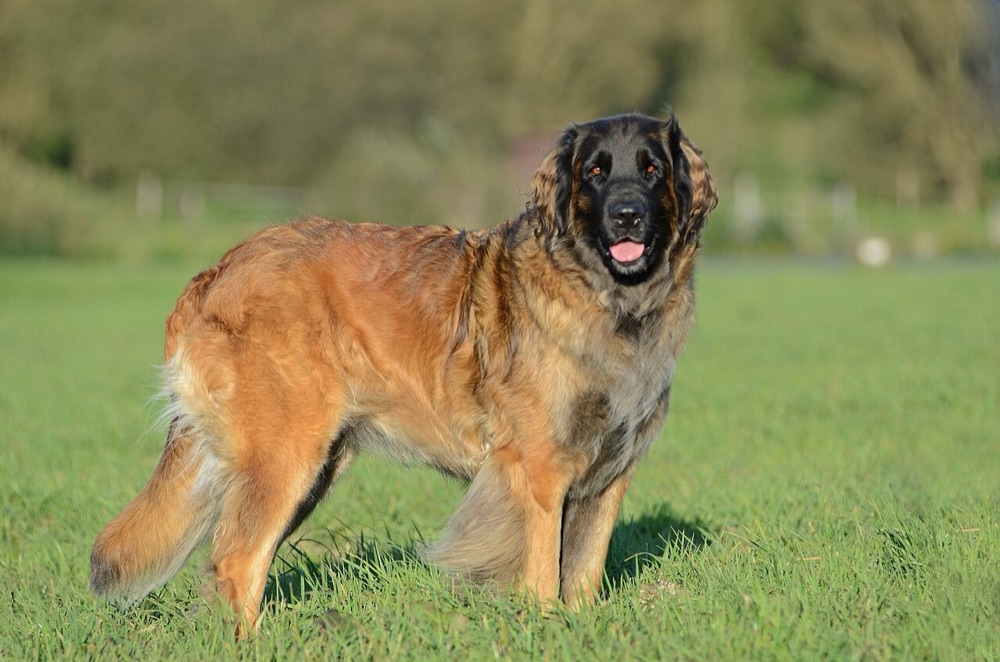

Where the Leonberger came from
The Leonberger comes from the town of Leonberg in southern Germany. In the 1830s, Heinrich Essig, a dog seller and the town's mayor, claimed to have bred the breed from a Landseer Newfoundland, a St. Bernard type dog, and later a Pyrenean Mountain Dog. Some historians dispute his account. The town's coat of arms shows a lion, and the breed is said to have been made to look like one.
The first dogs registered as Leonbergers were born in 1846. The big, long coated dogs became fashionable, and Essig gave them to rich and famous people. Many Leonbergers pulled carts and guarded farms. Some were also used for water rescue.
Both world wars nearly wiped out the breed. Karl Stadelmann and Otto Josenhans are credited with bringing them back. The AKC recognized the Leonberger on January 1, 2010, in the Working Group. Today they are big, gentle family dogs.
- 1830s Heinrich Essig of Leonberg claims to have created the breed
- 1846 The first dogs registered as Leonbergers are born
- 2010 AKC recognizes the Leonberger
The job a Leonberger was bred for
Leonbergers worked as farm dogs, cart pullers and watch dogs, and some do water rescue today. They had to be strong and steady, and calm around people and animals. At home that shows up as a gentle, social dog who likes to be near family, loves water, and barks when someone comes to the door.
What you may see at home
Gentle, social, loves water, drools and sheds a lot, leans on people.
Give them: Swimming, carting, sniff walks, and calm greeting practice.
Sports that fit a Leonberger
- Water rescue. Webbed feet and a thick coat suit swimming, and the breed does this work in Italy and elsewhere
- Carting. A long tradition of pulling carts
- Scent work. A calm job for a gentle giant
- Rally. Eager to work and easy to motivate with food and praise
- Therapy work. A soft temperament suits visiting people
Training tips for a Leonberger
- Start leash manners early, since a full grown Leonberger is hard to hold back.
- Reward calm greetings. They love people and can jump up with a lot of weight.
- Use games and rewards. This breed is sensitive and does not like harsh handling.
- Teach a settle on a mat, and practice brushing and handling from puppyhood.
Body and health
Large, deep chested dogs are at risk of bloat, so feed smaller meals and avoid hard exercise around meals. Hip and elbow problems are a concern in big breeds, so keep puppies lean. The thick coat means they overheat easily and need regular brushing.
Fun fact. The coat of arms of Leonberg shows a lion, and the breed is said to have been created to look like it.
Breed is where we start
A study of more than 18,000 dogs found breed explains only about 9 percent of the differences in behavior between dogs (Morrill and others, Science, 2022). So your Leonberger is a starting guess, not a label. We find the drive your dog actually runs on, give it a job, and teach you to read them.
Free tools for your dog
- Breed drive calculatorMixed breed? Add the other breeds and see the drives your dog was bred with.
- Dog breed quizTen photos, four names each. The same quiz our trainers take.
- Dog drive testAnswer everyday moments and find the job your dog runs on.
Looking for a different breed? See what 137 breeds were bred to do, and download any of their guides.