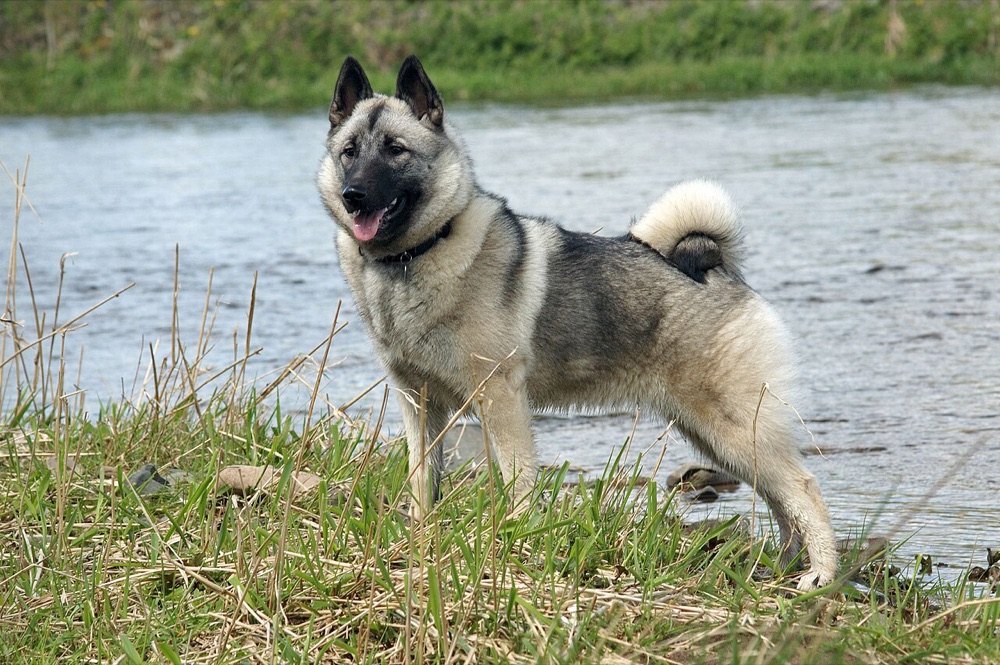

Where the Norwegian Elkhound came from
The Norwegian Elkhound is a spitz-type hunting dog from Norway and the national dog of Norway. The Norwegian name means gray elk dog. They were used to track elk, then hold the elk at bay by barking while the hunter came up. Elkhounds also hunted bear and other big game.
People often call the Elkhound a Viking dog. That is a popular story, and it is hard to prove, so treat it as folklore. What is on record is that the breed was first shown at a dog show in Norway in 1877. The British Kennel Club recognized it in 1901.
The AKC recognized the Norwegian Elkhound in 1913. Today they are loyal, loud, and independent. They are still used for hunting in Scandinavia, and they also make fun, active pets.
- 1877 The Norwegian Elkhound is first shown at a dog show in Norway
- 1901 The British Kennel Club recognizes the breed
- 1913 AKC recognizes the Norwegian Elkhound
The job a Norwegian Elkhound was bred for
A hunting dog that worked far ahead of the hunter to find elk, then circled it and barked until the hunter arrived. That is why many Elkhounds bark a lot, act bold and think for themselves. They are also known for being watchful and good guards.
What you may see at home
Loud, bold and independent, barks at changes, loves cold, tests rules, loyal to family.
Give them: Daily hikes, scent work, a quiet cue, recall practice in fenced areas, and brushing.
Sports that fit a Norwegian Elkhound
- Scent work. A great way to use their nose and tire out a busy mind
- Hiking. Strong and tough on long trails in cold weather
- Agility. Fast, but their independent streak needs patience
- Tracking. Fits the independent trailing job they were built for
- Weight pull and carting. A strong spitz can enjoy pulling in a well-fitted harness
Training tips for a Norwegian Elkhound
- Use food and play, and keep sessions short. Elkhounds have a stubborn streak and tune out boring repeats.
- Teach a quiet cue early and reward silence. Barking was part of the job.
- Practice recall in fenced areas. A hunting nose and a bold mind can take them far.
- Give them a daily job and plenty of exercise. A bored Elkhound will find its own work.
Body and health
Thick double coat that sheds heavily, so brush often, especially in spring and fall. They do not like heat. Keep them cool in summer, and watch their weight, since they like to eat.
Fun fact. The Norwegian Elkhound is the national dog of Norway.
Breed is where we start
A study of more than 18,000 dogs found breed explains only about 9 percent of the differences in behavior between dogs (Morrill and others, Science, 2022). So your Norwegian Elkhound is a starting guess, not a label. We find the drive your dog actually runs on, give it a job, and teach you to read them.
Free tools for your dog
- Breed drive calculatorMixed breed? Add the other breeds and see the drives your dog was bred with.
- Dog breed quizTen photos, four names each. The same quiz our trainers take.
- Dog drive testAnswer everyday moments and find the job your dog runs on.
Looking for a different breed? See what 137 breeds were bred to do, and download any of their guides.