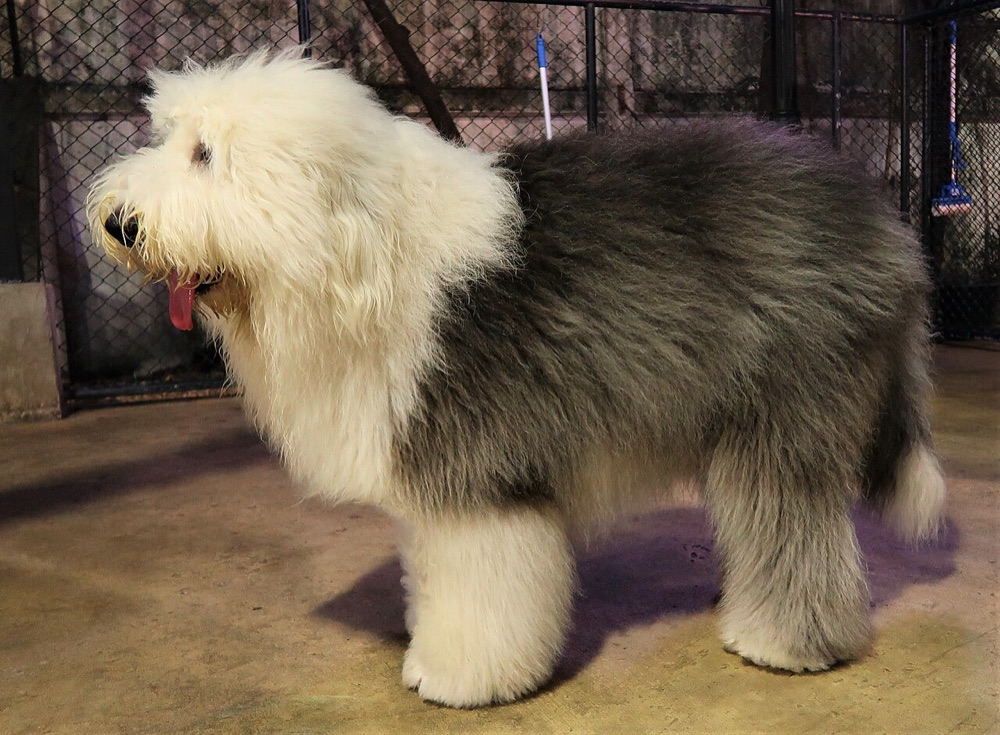

Where the Old English Sheepdog came from
The Old English Sheepdog comes from England and is built from older herding types. Most fans agree that the Bearded Collie was part of the original mix. A small drop-eared dog in a 1771 Gainsborough painting is thought by some to show an early type.
Drovers used a bobtailed dog in the 1800s, often called the Smithfield or Cotswold Cor. The breed was first shown at a Birmingham, England show in 1873 as the Shepherd's Dog. It was sent to the United States in the 1880s, and the AKC recognized it in 1888. Tails were traditionally docked, which gave the breed the nickname Bobtail.
The shaggy coat is a double coat that sheds water. The breed is now mostly a show and family dog, but the herding drive is still there. They can bump and lean to steer people.
- 1873 The breed is first shown, in Birmingham, England
- 1880s The first dogs are sent to the United States
- 1888 AKC recognizes the Old English Sheepdog
- 1961 The breed becomes the Dulux paint mascot in the United Kingdom
The job an Old English Sheepdog was bred for
A drover's dog that moved sheep and cattle to market. They push and bump with their body more than they nip, so many Old English Sheepdogs lean on people and steer them around the room. They also bark to tell you what they see.
What you may see at home
Leans and bumps to steer you, loud, clownish, a big shaggy dog who herds the house.
Give them: Polite greetings, herding games, and a calm mat. Teach the body bumping early.
Sports that fit an Old English Sheepdog
- Herding. The original job, and they can still do it
- Obedience. Smart and willing when training is fun
- Rally. Gives a big dog clear steps to follow
- Agility. Fun for a fit dog, with a coat kept trimmed
- Therapy work. Gentle size and goofy charm, once trained and calm
Training tips for an Old English Sheepdog
- Teach polite greetings early. A big, bouncy puppy can knock people over.
- Reward four feet on the floor and leaning calmly, not pushing.
- Make brushing a treat time from day one. The coat needs steady care.
- Build a settle on a mat, since this breed can get silly and loud when bored.
Body and health
Heavy coat means heat stress is a risk and matting is common. Deep chest, so bloat is a concern. Hip dysplasia and skin trouble occur, and many are sensitive to some drugs because of the MDR1 gene, so ask the vet.
Fun fact. The breed has been the mascot for Dulux paint since a 1961 ad campaign.
Breed is where we start
A study of more than 18,000 dogs found breed explains only about 9 percent of the differences in behavior between dogs (Morrill and others, Science, 2022). So your Old English Sheepdog is a starting guess, not a label. We find the drive your dog actually runs on, give it a job, and teach you to read them.
Free tools for your dog
- Breed drive calculatorMixed breed? Add the other breeds and see the drives your dog was bred with.
- Dog breed quizTen photos, four names each. The same quiz our trainers take.
- Dog drive testAnswer everyday moments and find the job your dog runs on.
Looking for a different breed? See what 137 breeds were bred to do, and download any of their guides.