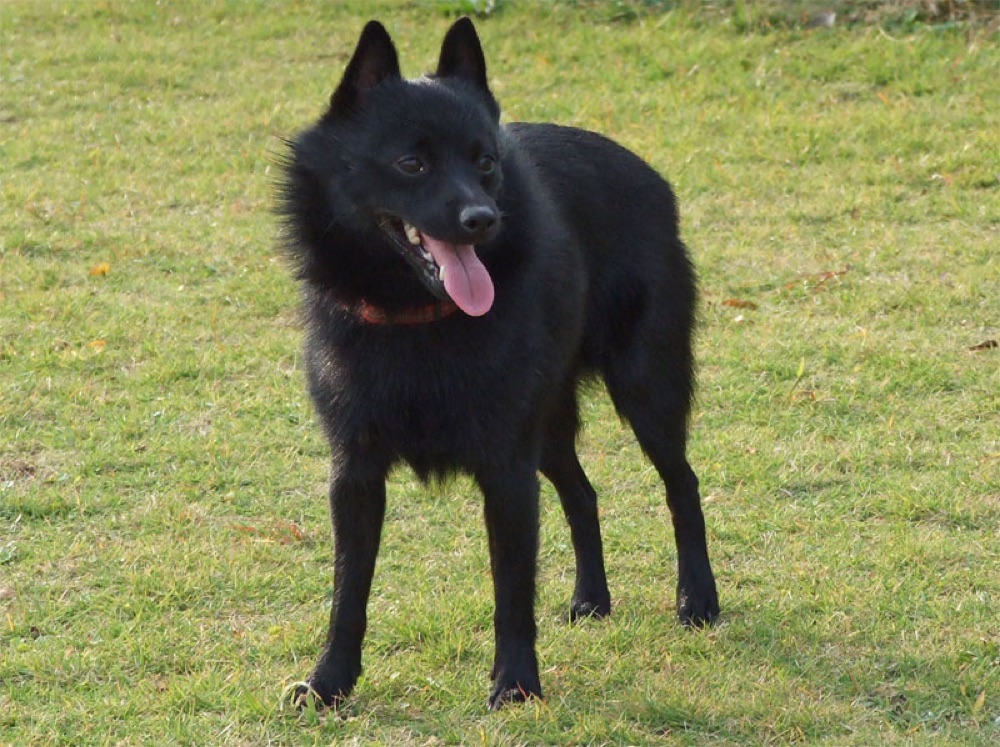

Where the Schipperke came from
The Schipperke comes from Belgium and is believed to date back to the 1600s in Flanders. The breed is thought to come from a black shepherd type called the Leuvenaar. The name is Flemish. It is often said to mean little boatman, though some say it means little shepherd.
The breed was first recognized as a formal breed in the 1880s, and its breed standard was written in 1889. The AKC recognized the Schipperke in 1904. In World War II, the dogs are said to have been used to carry messages for the Belgian Resistance.
Schipperkes are small, black, fox faced dogs with a thick ruff around the neck. They are curious, busy and watchful, and they like to know everything that goes on at home.
- 1880s The Schipperke is first recognized as a formal breed in Belgium
- 1889 The breed standard is written
- 1904 AKC recognizes the Schipperke
The job a Schipperke was bred for
A small watchdog and ratter that guarded workshops, homes and boats and kept vermin down. That is why many Schipperkes bark at everything, patrol and slip out of any gap in a fence.
What you may see at home
Alert, barks at everything, patrols, escapes fences, curious.
Give them: Quiet cues, scent games, agility, and secure fencing.
Sports that fit a Schipperke
- Agility. Fast, nimble and full of energy
- Barn hunt. Gives the ratting instinct a safe job
- Scent work. Keeps a busy mind occupied
- Rally. A fun way to build focus with their person
- Trick training. Uses the brain without needing a big space
Training tips for a Schipperke
- Teach a quiet cue early, and reward calm instead of alert barking.
- Use reward based training. They are smart and sensitive, and quit if training turns harsh.
- Check fences for gaps. Schipperkes are known escape artists.
- Give daily mental work and exercise, because bored Schipperkes find their own jobs.
Body and health
A small, sturdy dog with a thick double coat that sheds heavily, especially twice a year. Ask the breeder about eye and joint health testing.
Fun fact. Some Schipperkes are born with no tail or a very short natural bobtail.
Breed is where we start
A study of more than 18,000 dogs found breed explains only about 9 percent of the differences in behavior between dogs (Morrill and others, Science, 2022). So your Schipperke is a starting guess, not a label. We find the drive your dog actually runs on, give it a job, and teach you to read them.
Free tools for your dog
- Breed drive calculatorMixed breed? Add the other breeds and see the drives your dog was bred with.
- Dog breed quizTen photos, four names each. The same quiz our trainers take.
- Dog drive testAnswer everyday moments and find the job your dog runs on.
Looking for a different breed? See what 137 breeds were bred to do, and download any of their guides.