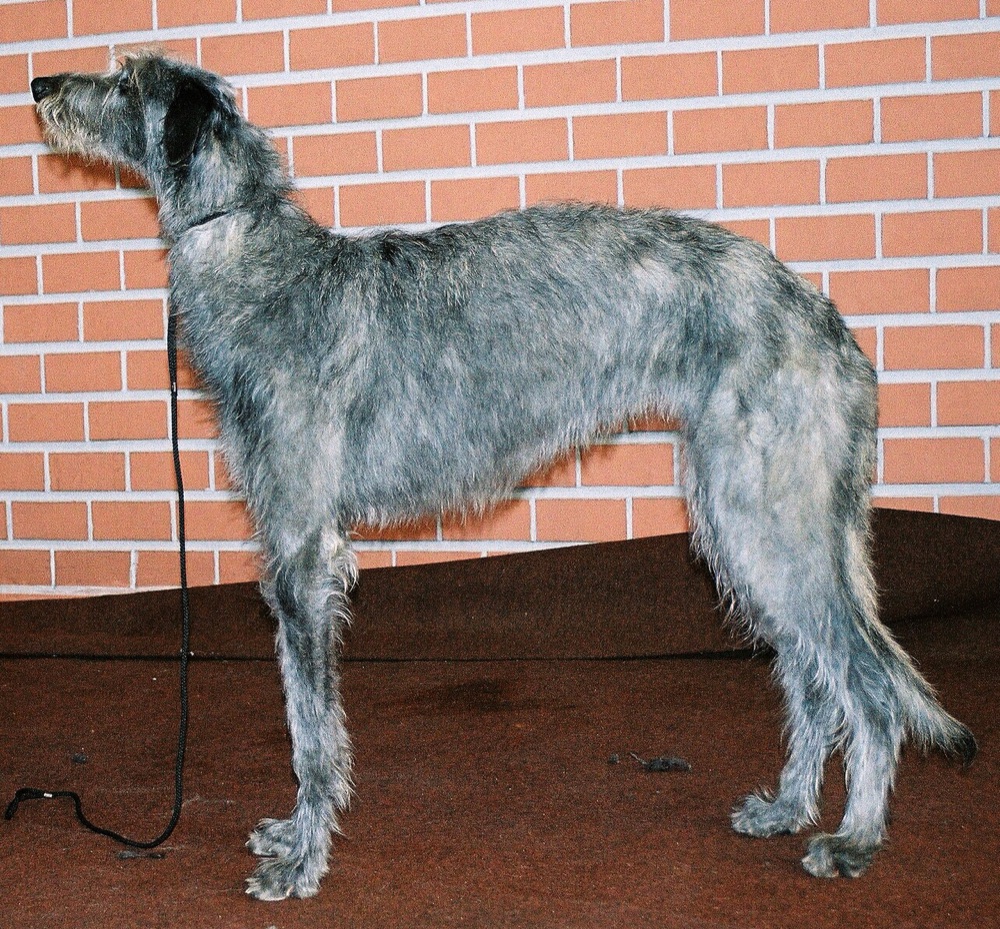

Where the Scottish Deerhound came from
The Scottish Deerhound is a large, rough-coated sighthound from Scotland. They were bred to course red deer: one dog or a pair was brought close to a deer and released to run it down. Nobles prized them, and so did poachers, since they were fast and silent.
Older stories say the Deerhound is an ancient Gaelic breed. Old carvings of hunting dogs are sometimes linked to the breed, but no study has proven that link. The modern breed became widely known in the early 1800s. By the late 1800s many big Scottish estates were split up and stalking with rifles took over, and the Deerhound was left to a few enthusiasts.
The AKC recognized the breed in 1886. The Deerhound was also an important foundation breed for the modern Irish Wolfhound. Today they are gentle, quiet and a bit goofy at home.
- 1800s The Deerhound becomes widely known as a breed of its own in the early 1800s
- 1886 AKC recognizes the Scottish Deerhound
- Late 1800s Rifle stalking replaces coursing and the breed is left in the hands of a few enthusiasts
The job a Scottish Deerhound was bred for
A coursing hound that worked by sight and speed to run down red deer over rough ground. That is why many Deerhounds chase fast-moving things, but are calm and affectionate in the house. They need safe space to run and a soft place to lie down.
What you may see at home
Gentle, goofy and soft, follows the family, chases fast things, sensitive to harsh words.
Give them: Fenced running space, lure coursing, a big soft bed, and kind reward-based training.
Sports that fit a Scottish Deerhound
- Lure coursing. Their original job, in a safe, fenced field
- Fast CAT. A timed sprint for a fast, big dog
- Rally. Calm, slow pattern work suits their sweet nature
- Therapy work. Gentle, quiet dogs that many people love to meet
- Hiking. Steady walks over rough ground fit their build
Training tips for a Scottish Deerhound
- Use food and a soft voice. Deerhounds are sensitive and slow to forgive harsh handling.
- Train a solid recall in fenced areas only. They will chase anything that runs.
- Reward calm greetings, since a giant dog that jumps up can hurt people.
- Teach a settle on a bed, and pay for lying down.
Body and health
Deep chest, so bloat is a concern. A UK survey found heart disease as the most common cause of death in the breed, so ask the vet about regular heart checks. Like other sighthounds they recover slowly from some anesthesia.
Fun fact. The Scottish Deerhound is one of the tallest sighthounds, with males at 30 inches or more at the shoulder.
Breed is where we start
A study of more than 18,000 dogs found breed explains only about 9 percent of the differences in behavior between dogs (Morrill and others, Science, 2022). So your Scottish Deerhound is a starting guess, not a label. We find the drive your dog actually runs on, give it a job, and teach you to read them.
Free tools for your dog
- Breed drive calculatorMixed breed? Add the other breeds and see the drives your dog was bred with.
- Dog breed quizTen photos, four names each. The same quiz our trainers take.
- Dog drive testAnswer everyday moments and find the job your dog runs on.
Looking for a different breed? See what 137 breeds were bred to do, and download any of their guides.