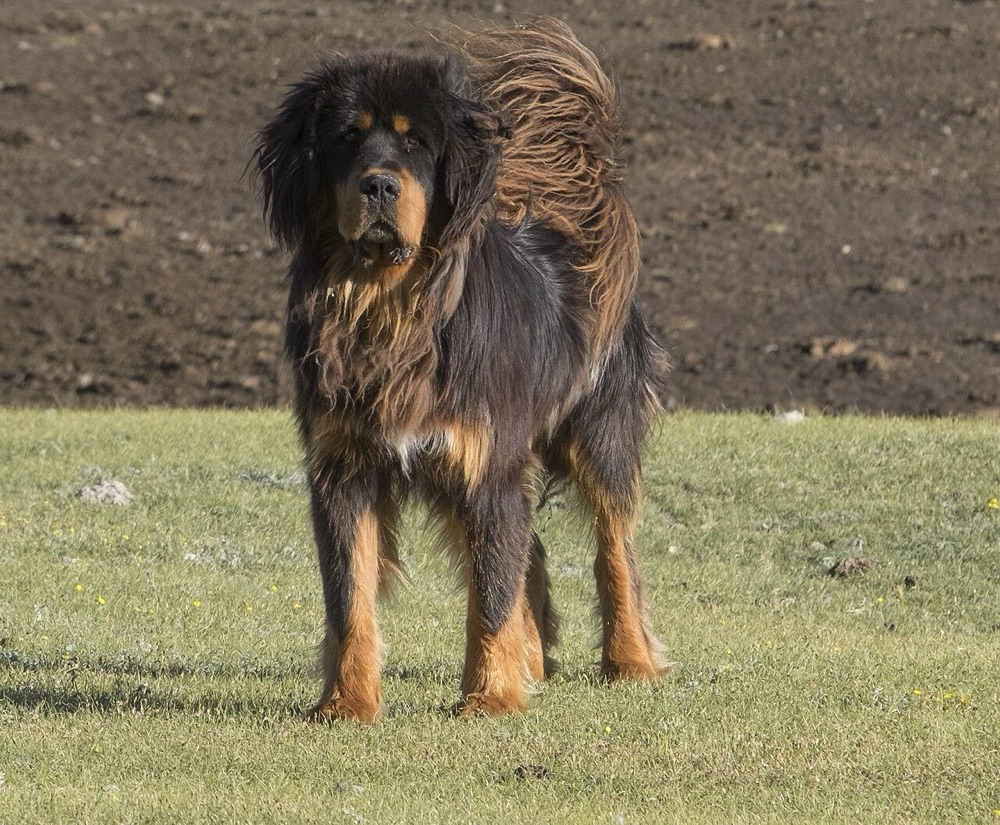

Where the Tibetan Mastiff came from
The Tibetan Mastiff comes from the Himalayas and the Tibetan Plateau. Nomads and monasteries used these big dogs to guard flocks, tents and monasteries from wolves, bears and snow leopards. In Tibet the dogs are called Do Khyi. The breed is old, but there are few early records.
A writer in 1872 described Tibetan dogs as powerful animals that were kept chained during the day and let loose at night to guard the house. Early in the 1900s, the Prince of Wales, the future King George V, brought a pair to the United Kingdom, and the breed was shown at the Crystal Palace in 1906.
The breed grew in popularity worldwide from about 1980. The AKC recognized the Tibetan Mastiff in 2006, and the breed first competed at the Westminster Kennel Club show in 2008. Today they are rare guardians and family dogs. They are big, independent and serious.
- 1872 A writer describes Tibetan dogs chained by day and loosed at night as guards
- 1906 The breed is shown at the Crystal Palace dog show in England
- 2006 AKC recognizes the Tibetan Mastiff
- 2008 The breed competes at the Westminster Kennel Club show for the first time
The job a Tibetan Mastiff was bred for
Tibetan Mastiffs guarded at night and rested during the day. They had to be alert, loud and ready to act alone. At home that shows up as a dog who barks at night, dislikes being told what to do, patrols the fence and treats visitors with suspicion.
What you may see at home
Barks at night, stubborn, independent, patrols the fence, sheds heavily.
Give them: Secure fencing, food games, short training, and early socialization.
Sports that fit a Tibetan Mastiff
- Scent work. A calm, quiet job that matches the breed
- Obedience. Builds basic control and manners
- Carting. Gives a large dog a task that suits strength
- Trick dog. Food games keep a stubborn dog engaged
- Hiking. Cool weather outings are a good outlet
Training tips for a Tibetan Mastiff
- Socialize early and widely, with calm exposure to new people, dogs and places.
- Use food rewards and short sessions. Do not argue with an independent dog.
- Teach a quiet cue and a place cue. Expect night barking and plan for it.
- Build a secure fence at least six feet tall, and never count on off leash recall.
Body and health
Large, thick coated dogs overheat easily, so provide shade and cool spots. Hip and elbow problems are a concern in giant breeds, so keep puppies lean. They also blow their coat once a year, with heavy shedding.
Fun fact. The Tibetan Mastiff first competed at the Westminster Kennel Club dog show in 2008.
Breed is where we start
A study of more than 18,000 dogs found breed explains only about 9 percent of the differences in behavior between dogs (Morrill and others, Science, 2022). So your Tibetan Mastiff is a starting guess, not a label. We find the drive your dog actually runs on, give it a job, and teach you to read them.
Free tools for your dog
- Breed drive calculatorMixed breed? Add the other breeds and see the drives your dog was bred with.
- Dog breed quizTen photos, four names each. The same quiz our trainers take.
- Dog drive testAnswer everyday moments and find the job your dog runs on.
Looking for a different breed? See what 137 breeds were bred to do, and download any of their guides.